
Propagation
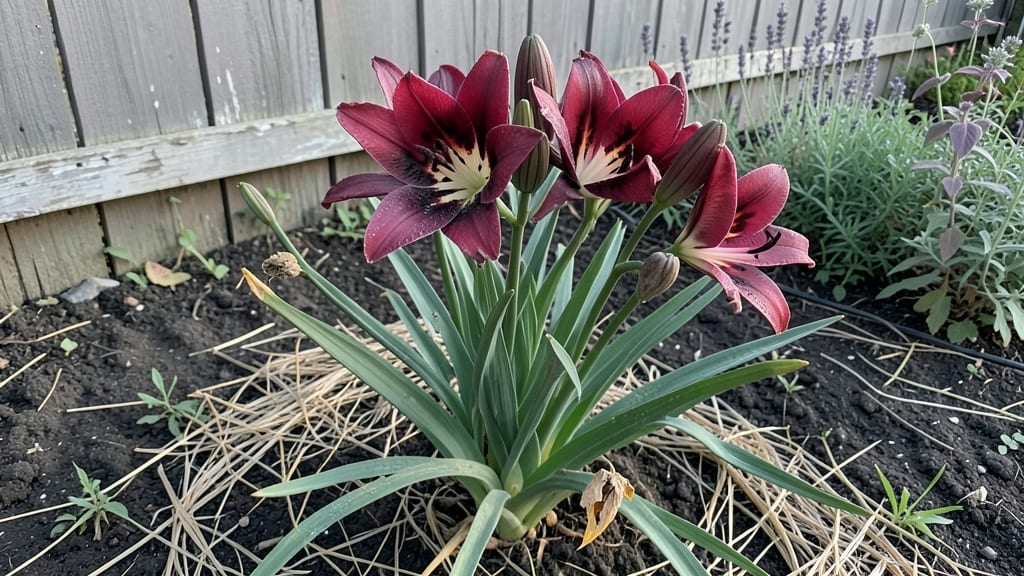
Growing oriental lily seeds from scratch means waiting for those first vibrant blooms next spring—if you nail the cold-moist stratification process first. I’ve struggled with these finicky seeds for years, and the difference between a damp paper towel and a frozen seed tray is the difference between success and disappointment.
The key isn’t just patience; it’s recreating the exact conditions these seeds need to break dormancy.
You’ll need just three things: a sealed plastic bag, a damp paper towel, and your refrigerator’s crisper drawer. The stratification mimics winter’s chill, tricking seeds into thinking spring is coming. After 8-12 weeks of consistent moisture (not soggy), you’ll see those first pale green shoots—proof the process worked.
Most gardeners skip this step and wonder why their seeds refuse to sprout.
Once germinated, these seedlings demand gentle handling. Transplant them into well-draining soil when they’ve got 2-3 true leaves, and keep the roots moist but never waterlogged. The payoff? Oriental lilies grown from seed develop deeper root systems than bulb starts, making them tougher and more disease-resistant once established.
That first bloom will be worth every week of waiting.
This method works best in cooler climates where winters naturally stratify seeds. If you’re in a warm zone, extend the cold treatment or use a seedling heat mat to compensate.
The trade-off? Seed-grown lilies take 2-3 years to bloom, but the variety options make it worth the gamble. Ready to try?
📚 In This Guide
- What you need
- Instructions
- Tips and common mistakes
- Wrapping up and next steps
What you need
- ● Oriental lily seeds: Fresh or stored seeds (check for viability—plump, firm seeds work best). Aim for at least 5-10 seeds for better success rates.
- ● Growing medium: Option 1: Peat moss or coconut coir (sterilized, 2-3 cups)
- ● Option 2: Seed-starting mix (lightweight, well-draining, 1-2 quarts)
- ● Containers: Small pots or seed trays (3-4 inches deep, with drainage holes)
- ● Plastic wrap or clear lid (to retain moisture)
- ● Watering can or spray bottle (with a fine mist setting)
- ● Plastic bag or airtight container (for stratification, ~1 gallon size)
- ● Refrigerator or cold frame (to maintain 35–45°F for stratification)
- ● Grow lights or sunny windowsill (for post-stratification growth)
- ● Seedling heat mat (to speed up germination in cooler climates)
- ● Fungicide (to prevent mold during stratification)
- ● pH test kit (ideal soil pH: 6.0–7.0 for lilies)
- ● Labeling tags (to track seed varieties)
- ● Humidity dome (for extra moisture retention)
Step-by-Step instructions for growing oriental lily seeds
Here's how to break the stratification process into clear, manageable steps for reliable blooms next spring.
Harvest and Prepare Oriental Lily Seeds
Collect mature seed pods from your oriental lilies once they turn brown and begin splitting open. The seeds inside should be plump and firm—if they feel shriveled or hollow, they won’t germinate. Remove the seeds carefully, as they’re delicate; any damage reduces viability. Place them in a paper envelope to air-dry for 3-5 days in a cool, dry spot. This mimics natural drying conditions and prepares them for stratification.
I like to label each envelope with the lily variety and harvest date, since germination rates can vary slightly between cultivars. Store the dried seeds in a sealed container in the refrigerator until you’re ready to start stratification. The cold, dark environment preserves their viability for up to 6 months, though I’ve had success even with seeds stored longer.
Perform Cold-Moist Stratification
Fill a quart-sized zip-top plastic bag with 2 cups of dampened peat moss or coconut coir—it should feel like a wrung-out sponge, not dripping. Add the seeds, spacing them 1 inch apart to prevent rot. Seal the bag loosely (leave a small gap for airflow) and place it in the refrigerator’s crisp drawer, where temperatures hover around 35-40°F. This mimics winter conditions and breaks seed dormancy.
Check the bag every 2-3 weeks to ensure the medium remains moist but not soggy. If condensation forms on the bag’s interior, open it slightly for 24 hours to air out. Stratification typically takes 8-12 weeks, but don’t rush it—proper timing ensures strong, uniform germination. You’ll know it’s working when the seeds begin to swell slightly after 4-6 weeks.
Sow Stratified Seeds in Containers
Once stratification is complete, fill 4-inch pots with a sterile seed-starting mix—avoid garden soil, as it’s too dense and may harbor pathogens. Plant each seed ½ inch deep, pressing lightly to ensure good soil contact. Oriental lily seeds are large, so one seed per pot is ideal. Water gently until the soil is evenly moist, but avoid oversaturating, which can cause rot.
Place the pots in a warm, bright location with indirect light (like a north-facing window) and maintain soil moisture by watering when the top inch feels dry. Keep the air temperature around 65-70°F—consistent warmth encourages steady germination. You’ll see the first signs of sprouts in 2-4 weeks, though some seeds may take longer. Patience is key here; rushing the process often leads to weak seedlings.
Transition to Outdoor Conditions
After the seedlings develop 2-3 sets of true leaves (about 8-10 weeks after sowing), harden them off by gradually exposing them to outdoor conditions. Start with 1-2 hours of shade on a mild day, then increase exposure by 1 hour daily over 10-14 days. This acclimates the plants to wind, sun, and temperature fluctuations without shocking their delicate systems.
Once hardened off, transplant the seedlings into a sunny garden bed with well-draining soil, spacing them 12-18 inches apart. Oriental lilies thrive in full sun but appreciate afternoon shade in hot climates. Mulch around the base with 2-3 inches of organic matter to retain moisture and regulate soil temperature. Water deeply once a week, ensuring the roots establish before the first frost—this sets the stage for robust blooms next spring.
Tips & tricks for perfect oriental lily seed stratification
These practical insights will help you navigate the delicate balance of moisture and timing that makes all the difference with oriental lily seeds.
Seed Selection Matters: When harvesting in Step 1, focus on pods that have fully browned but haven't split open completely. The seeds should be plump and firm to the touch—any seeds that feel hollow or shriveled will fail to germinate. I've learned this the hard way after wasting multiple batches on subpar seeds. For best results, harvest on a dry day when humidity is low to prevent mold during the 3-5 day drying period.
Moisture Management During Stratification: In Step 2, maintaining the right moisture level in your dampened peat moss or coconut coir is absolutely critical. The medium should feel like a wrung-out sponge—never dripping but always slightly damp. I recommend using a spray bottle to check moisture: if water beads up on the surface, it's too wet. Too much moisture causes rot, while too little prevents proper stratification. The 2-3 week checks mentioned in the instructions are non-negotiable for this reason.
Temperature Consistency: The refrigerator's crisp drawer at 35-40°F is your best bet for consistent temperatures during stratification. I've found that standard fridge compartments can fluctuate more dramatically, especially if the door is opened frequently. For extra reliability, consider using a small refrigerator or cooler specifically for stratification if you're working with large quantities of seeds. The 8-12 week timeline assumes consistent cold—any warmer and you risk breaking dormancy prematurely.
Visual Cues for Progress: In Step 3, watch for subtle visual changes that indicate successful stratification. Around week 4-6, you should notice the seeds beginning to swell slightly—this is your confirmation that dormancy is breaking. The seed coats may also develop tiny cracks. These signs don't mean immediate germination, but they do confirm the seeds are ready for planting. If you don't see any changes after 6 weeks, your stratification conditions may need adjustment.
Pro Tips for Oriental Lily Seeds
- These practical insights will help you navigate the delicate balance of moisture and timing that makes all the difference with oriental lily seeds.
- Seed Selection Matters: When harvesting in Step 1, focus on pods that have fully browned but haven't split open completely.
- Moisture Management During Stratification: In Step 2, maintaining the right moisture level in your dampened peat moss or coconut coir is absolutely critical.
Frequently asked questions
Got questions about growing Oriental lily seeds?
You’re not alone—this method takes patience, but the results are worth it! Below, we’ve answered the most common questions to help you succeed with cold-moist stratification and get those stunning blooms next spring.
How long does cold-moist stratification take for Oriental lily seeds?
Oriental lily seeds typically need 8–12 weeks of cold-moist stratification to break dormancy. Place them in a sealed container with damp peat moss or paper towels in the fridge (34–40°F). Check moisture weekly—if they’re soggy, reduce water; if dry, add a spritz. Patience is key!
When should I plant stratified Oriental lily seeds outdoors?
Plant your stratified seeds in early fall (September–October) or late winter (February–March) in your growing zone. They’ll need 6–8 weeks of cold soil temps (40–50°F) to germinate naturally. Avoid planting too early—frost can damage tender seedlings.
Can I use regular potting soil for stratification instead of peat moss?
Not ideal! Potting soil can compact and suffocate seeds. Stick with moistened peat moss, coconut coir, or paper towels for airflow. If you’re short on materials, a mix of 50% peat + 50% perlite works too. Just keep it evenly damp, not soggy.
My Oriental lily seeds aren’t germinating—what’s wrong?
Don’t worry—germination can take 4–12 months! Double-check these fixes:
- Temperature: Too warm? Move to the fridge (34–40°F).
- Moisture: Dry seeds? Mist lightly. Moldy? Reduce water.
- Patience: Some seeds need two winters of cold exposure.
- Viability: Old seeds (over 1 year) may fail—try fresh ones.
How do I know if my Oriental lily seedlings are healthy?
Healthy seedlings have:
- Straight, sturdy stems (not leggy or weak).
- 2–3 true leaves (not just cotyledons).
- No yellowing or wilting (overwatering or pests are common culprits).
Wrapping up and next steps
Growing Oriental lily seeds with cold-moist stratification is a rewarding journey that unlocks stunning blooms next spring! 🌱 By following the right steps—from selecting quality seeds to mastering the stratification process—you’re setting the stage for vibrant, fragrant flowers. Don’t let challenges discourage you: patience and care will pay off in gorgeous results.
Ready to dive in? Start by gathering your supplies and follow the guide step-by-step. Before you know it, you’ll be admiring your own thriving Oriental lilies—proof that a little effort yields big, beautiful rewards! 🌸