
Planting
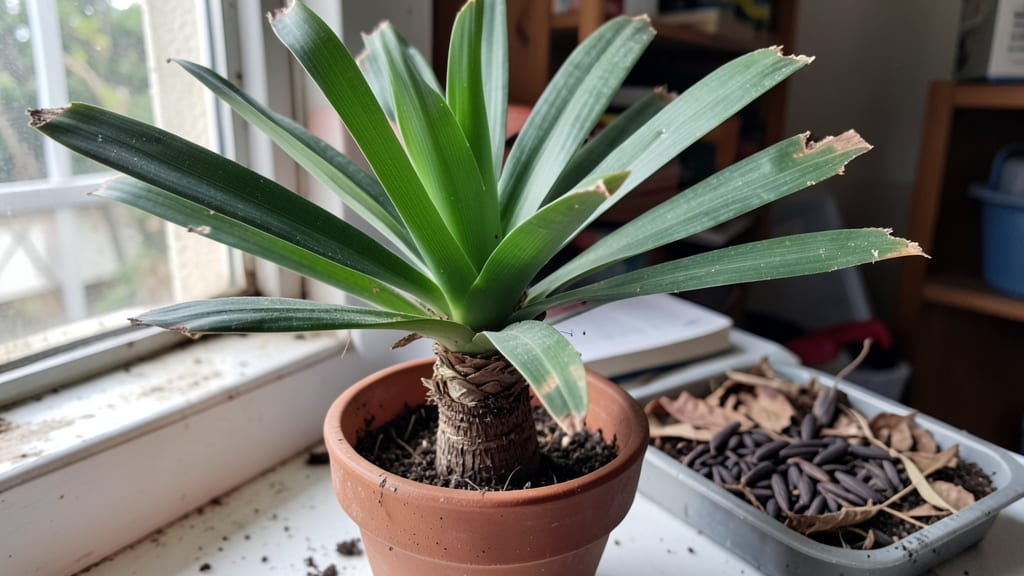
Growing the pandan plant seeds unlocks a tropical treasure chest of fragrant, wispy leaves that smell like vanilla and citrus rolled into one—though I’ve wrestled with these stubborn seeds myself. right prep, you’ll see those first pale green shoots in just 4-6 weeks.
The key isn’t just patience; it’s mimicking their native rainforest humidity and warmth.
You’ll need a warm spot (75-85°F), a mix of peat moss and perlite to keep roots airy, and a clear plastic bag to trap moisture like a greenhouse. Pandan seeds are notoriously slow to sprout, so don’t toss them after two weeks—some take 3 months to crack open.
The payoff? Once established, these plants thrive for years, releasing that signature scent whenever you brush their leaves.
Troubleshooting is half the fun: if your seeds rot, you’re overwatering; if they stay dry and hard, they need more humidity. The real magic happens when you see those first fronds unfurl—each one carries that intoxicating aroma that chefs and gardeners covet.
With a little persistence, you’ll have a living spice rack in your home.
Alternative methods like division work too, but starting from seed gives you the full experience of nurturing this tropical oddity. Whether you’re growing for the fragrance or the striking foliage, these plants reward curiosity with unexpected beauty. Let’s get those seeds planted!
📚 In This Guide
- What you need
- Instructions
- Tips and common mistakes
- Wrapping up and next steps
What you need
- ● Pandan seeds: Fresh, high-quality seeds (aim for 5–10 seeds for better success rates).
- ● Seed-starting trays or small pots: 2–3 inch (5–7.5 cm) pots with drainage holes (4–6 pots total).
- ● Well-draining potting mix: A blend of coconut coir, perlite, and peat moss (or a pre-mixed seed-starting mix).
- ● Spray bottle: For gentle watering (avoids disturbing seeds).
- ○ Plastic wrap or clear lid: To create a mini greenhouse effect (optional but helpful).
- ● Grow lights or sunny windowsill: A spot with indirect light (6–8 hours/day).
- ○ Humidity dome or plastic bag: For maintaining moisture (optional).
- ● Fertilizer (balanced, water-soluble): Diluted to half-strength for seedlings (e.g., 10-10-10 NPK).
- ● Heating mat: Speeds up germination (75–85°F / 24–29°C ideal).
- ● pH testing kit: Ensures soil pH is 5.5–6.5 (pandan prefers slightly acidic soil).
- ● Label markers: To track seed varieties (if testing multiple types).
- ● Tweezers: For delicate seed placement.
- ● Compost or worm castings: Boosts nutrient-rich soil for transplants.
Step-by-step instructions for germinating pandan seeds
Here's the method I've perfected for coaxing these slow but rewarding tropical seeds into life.
Prepare the Seeds for Germination
Pandan seeds have a tough outer shell that requires pre-treatment to break dormancy. Soak the seeds in warm water for 24 hours—this softens the seed coat and kickstarts the germination process. I use a small glass jar with a tight lid to contain the seeds and water. After soaking, gently rub the seeds between two layers of paper towel to wear down the outer coating slightly without damaging the seed itself.
This step is crucial because untreated pandan seeds can take months—or never sprout at all. The slight abrasion combined with the hydration primes them to absorb moisture efficiently. Once prepped, place the seeds in a clean, damp paper towel and fold it to create a snug wrap. Store this in a sealed plastic bag to maintain humidity.
Create the Ideal Germination Environment
Pandan seeds thrive in warmth and high humidity. Place the sealed bag in a location with a consistent temperature of 75-80°F, such as on top of a refrigerator or near a warm spot in your kitchen. You'll see the first signs of germination in 2-4 weeks—tiny white roots will emerge first, followed by a small green shoot.
Check the paper towel every few days to ensure it remains damp but not soggy. If condensation forms inside the bag, open it for a few hours to allow airflow. The goal is to mimic the tropical conditions under which pandan naturally grows, but without overdoing the moisture that could lead to mold.
Transplant Sprouted Seeds into Soil
Once the seeds have sprouted and developed 1-2 inch roots, it's time to move them into sterile seed-starting mix in small pots. Use 2-3 inch deep containers to give the delicate roots room to establish without becoming root-bound. Gently place each seedling into its own pot, ensuring the roots are covered but the shoot remains above soil level.
Water lightly immediately after transplanting to help settle the soil around the roots. Avoid overwatering at this stage—pandan seedlings are sensitive to excess moisture, which can cause rot. Place the pots in a warm, bright location, but avoid direct sunlight, which can scorch the tender new growth.
Provide Consistent Care for Young Plants
Keep the soil evenly moist but never waterlogged. Pandan seedlings prefer high humidity, so consider using a humidity dome or misting the leaves daily if your environment is dry. As the seedlings grow, gradually introduce them to bright, indirect light for 4-6 hours daily to strengthen their stems and leaves.
Once the seedlings reach 4-6 inches tall, you can begin fertilizing lightly with a balanced, water-soluble fertilizer diluted to half strength. This encourages steady growth without overwhelming the young plants. Be patient—pandan grows slowly but steadily, and with consistent care, you'll have a fragrant, tropical addition to your garden in no time.
Tips & tricks for germinating pandan seeds
Patience is key with pandan seeds—here's how to maximize your chances of success without common pitfalls.
Seed Preparation: The 24-hour soak is non-negotiable for breaking dormancy, but don't rush the paper towel abrasion. Use medium-grit sandpaper or a gentle file if you're concerned about over-scrubbing—just enough to create microscopic cracks in the seed coat. I've found that soaking in warm (not hot) water prevents seed damage while maintaining the perfect hydration balance. After soaking, pat the seeds completely dry before wrapping them in the paper towel to prevent mold development during the germination phase.
Environmental Consistency: Maintaining that 75-80°F range is crucial, but don't assume your kitchen stays perfectly stable. I recommend using a small, battery-operated thermometer placed inside the sealed bag to monitor temperature continuously. If your home environment fluctuates significantly, consider using a seedling heat mat set to low heat—just enough to maintain warmth without overheating. The goal is to mimic the tropical understory where pandan naturally grows, where temperatures remain remarkably stable.
Transplant Timing: Waiting until you see 1-2 inch roots before transplanting gives your seedlings the best chance of survival, but don't delay too long. Roots longer than 2 inches can become tangled and damaged during the transfer. When repotting, use your finger to gently loosen the paper towel wrap around the roots—this prevents root shock while maintaining the delicate root structure. The 2-3 inch deep containers are ideal because pandan roots grow downward rather than spreading outward.
Light Management: The 4-6 hours of bright, indirect light is a crucial balance—too little light weakens seedlings, while direct sunlight can scorch the tender new growth. I've had success using fluorescent grow lights placed about 6 inches above the seedlings for the initial 2 weeks, then gradually increasing the distance as they grow. Position the lights so they're not directly overhead, which can cause the seedlings to grow leggy and weak.
Pro Tips for Pandan Plant Seeds
- Patience is key with pandan seeds—here's how to maximize your chances of success without common pitfalls.
- Seed Preparation: The 24-hour soak is non-negotiable for breaking dormancy, but don't rush the paper towel abrasion.
- Environmental Consistency: Maintaining that 75-80°F range is crucial, but don't assume your kitchen stays perfectly stable.
Frequently asked questions
Got questions about growing pandan from seeds? You’re not alone! Here are some of the most common queries—plus straightforward answers to help you succeed.
How long does it take for pandan seeds to germinate?
Patience is key! Pandan seeds typically take 4 to 12 weeks to germinate, depending on warmth (75–85°F) and moisture. Keep the soil consistently damp and avoid overwatering—soggy conditions can slow things down. A humidity dome or plastic wrap speeds up the process.
Why aren’t my pandan seeds sprouting?
Seeds may struggle due to old age (pandan seeds lose viability after 1–2 years), cold soil, or poor moisture control. Try soaking seeds in warm water for 24 hours before planting, or test viability by scratching the seed coat—if it’s hard, it may need stratification (chilling for 2–4 weeks).
Can I grow pandan indoors?
Pandan thrives indoors near bright, indirect light (east or south-facing windows). Use a pot with drainage holes, and rotate it weekly for even growth. Just expect slower growth than outdoors—supplement with a grow light in winter if natural light fades.
What’s a good alternative if pandan seeds fail?
If germination proves tricky, try pandan cuttings (from a healthy stalk) or buy a young pandan plant from a nursery. You can also use pandan extract or screwpine leaves (a close cousin) for fragrance in cooking.
How often should I water pandan seedlings?
Keep soil evenly moist but not waterlogged. Water every 2–3 days (or when the top inch feels dry) for young seedlings. Once established, reduce to weekly watering, letting the soil dry slightly between sessions. Overwatering is the #1 killer—pandan hates soggy roots!
Wrapping up and next steps
Growing pandan seeds is a rewarding journey that brings a touch of tropical charm to your home! With the right pandan plant seeds, patience, and care, you’ll soon enjoy fragrant leaves and vibrant blooms.
Whether you’re a seasoned gardener or just starting out, this guide makes it simple—so grab your tools and get planting! 🌱✨
Ready to take the next step? Start with a few seeds today and watch your tropical oasis grow. Happy gardening!