Pests
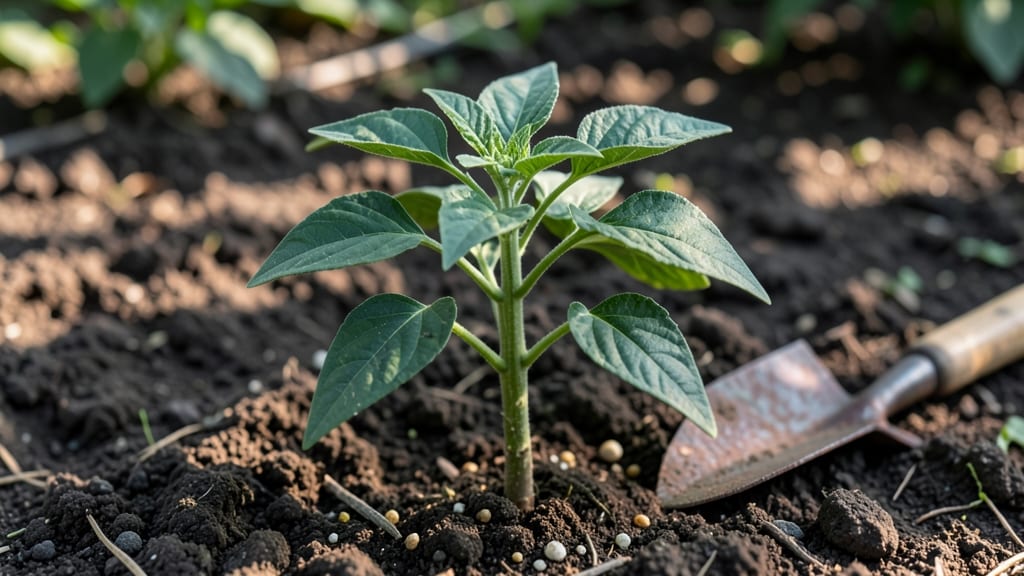
Pepper seedling leaves are your first line of defense against pests and diseases—when they look right, your harvest thrives. 🌱 I’ve seen weak seedlings spiral into total failure because of ignored early signs, but the fix is simpler than you’d think.
The key is catching problems before they spread, whether it’s yellowing from overwatering or tiny holes from spider mites.
Most issues start with the leaves: curled edges mean dry air, sticky spots signal aphids, and black stems warn of damping-off. My first year, I lost half my seedlings to powdery mildew because I waited too long—now I check them twice a week.
The good news? Healthy leaves bounce back fast with the right care, and prevention is easier than cleanup.
You’ll learn to spot the warning signs early, fix common problems in under 30 minutes, and keep your seedlings strong enough to outgrow pests naturally. No more guessing whether to water more or less—just clear steps that work every time. Let’s get those leaves thriving from day one.
Works for bell peppers, jalapeños, and even chili varieties, no matter your growing space. Whether you’re battling aphids in a greenhouse or fungal spots on a windowsill, these solutions adapt. Here’s how to protect your future harvest before it even starts.
Understanding The Root Causes
When your pepper seedling leaves start showing distress—whether it’s yellowing, wilting, curling, or developing unsightly spots—it’s often a cry for help from your plant. But what’s really making them act this way?
Let’s break down the scientific reasons behind these symptoms, so you can diagnose and fix the issue before it’s too late.
Pepper seedlings thrive in well-draining soil, and too much water is one of the fastest ways to suffocate their roots.
When soil stays soggy for too long, oxygen can’t reach the roots, leading to: - Yellowing leaves (chlorosis) – A classic sign of root stress, as the plant struggles to absorb nutrients. - Mushy stems – Weakened cell structure from waterlogged conditions. - Fungal infections – Excess moisture creates the perfect breeding ground for pathogens like Phytophthora or Pythium.
Why it happens: Pepper seedlings have shallow root systems at first, making them extra vulnerable to waterlogging. If your pots lack drainage holes or you’re watering on a strict schedule without checking soil moisture, roots drown in their own "swamp."
On the flip side, dry soil and high temperatures can turn pepper seedling leaves crispy or brown at the edges. This isn’t just about thirst—it’s about osmotic stress and transpiration overload.
Why it happens:
- Rapid water loss – Hot, dry air forces leaves to lose moisture faster than roots can supply it, leading to wilting and necrotic (dead) tissue.
- Nutrient uptake failure – Dry soil binds tightly to nutrients, making them inaccessible even if you’re watering enough.
- Heat shock – Temperatures above 90°F (32°C) can scramble cell membranes, causing bleached or scorched leaves.
Pro tip: 🌡️ If your seedlings are in direct sunlight without shade cloth, move them to a partial shade spot (50-60% shade) until they’re established.
Pepper seedlings are delicate targets for pests and pathogens, especially in crowded or humid conditions.
Common culprits include: - Aphids & Spider Mites – Sap-sucking insects that leave sticky residue (honeydew) and yellow stippling on leaves. - Fungal Spots (Alternaria, Early Blight) – Dark, concentric rings or spots that expand rapidly in damp conditions. - Root-Knot Nematodes – Microscopic worms that gall roots, stunting growth and causing yellowing leaves.
Why it happens: Pests thrive in stressed plants (weak from over/underwatering or poor nutrition). Fungal spores hitchhike on water droplets, while nematodes lurk in contaminated soil. If your seedlings are in a greenhouse or high-humidity area, the risk skyrockets.
Pepper seedlings need a balanced diet of nitrogen (N), phosphorus (P), and potassium (K), plus micronutrients like magnesium, calcium, and iron.
A deficiency shows up as: - Yellow leaves between veins → Magnesium deficiency (chlorosis in older leaves). - Purple stems/leaves → Phosphorus deficiency (struggling to flower/fruit). - Crinkled, distorted leaves → Boron or calcium deficiency (cell wall issues).
Why it happens:
- Over-fertilizing with nitrogen – Burns roots, starving the plant of other nutrients.
- Lockout from pH imbalances – Soil pH outside 6.0–6.8 makes nutrients like iron and manganese unavailable.
- Poor-quality soil – If you’re using garden soil without amendments, micronutrients may be lacking.
Even with perfect care, environmental factors can throw your seedlings into chaos: - Cold Drafts – Pepper seedlings hate sudden temperature drops (below 50°F/10°C).
This causes blackened or mushy leaves from cold stress. - Wind Burn – Young leaves lack protective cuticles, so high winds can desiccate (dry out) edges, turning them brown. - Transplant Shock – Moving seedlings too early or disturbing roots triggers wilting as they adjust to new conditions.
Why it happens: Pepper plants are tropical and sensitive to abrupt changes. If you’re growing them indoors and then rush them outside, their stomata (pores) close to conserve water—but without enough root support, leaves crisp up like overcooked pasta.
Not sure which issue is plaguing your seedlings? Here’s a quick symptom cheat sheet:
| Symptom | Likely Cause | Fix It Fast |
|---|---|---|
| Yellow leaves (bottom-up) | Overwatering or nitrogen toxicity | Let soil dry between waterings; flush soil with water |
| Brown, crispy edges | Underwatering or heat stress | Water deeply, move to shade, increase humidity |
| Sticky leaves + ants | Aphids or spider mites | Spray with neem oil or soapy water |
| Dark spots with rings | Fungal disease (Alternaria) | Remove infected leaves; use copper fungicide |
| Purple stems | Phosphorus deficiency | Add bone meal or balanced fertilizer |
| Wilting after transplant | Root damage or transplant shock | Keep soil moist, avoid direct sun for 1 week |
Revitalize Your Seedlings Now
Your pepper seedlings are the heart of your garden’s future, and when their leaves show signs of distress, swift action is key. Below, we’ve mapped out the most common issues—from pests to environmental stressors—and provided step-by-step solutions to nurse them back to health. Think of this as your emergency repair kit, designed to be practical and stress-free.
If your pepper seedling leaves are yellowing, developing holes, or showing chewed edges, pests like aphids, spider mites, or caterpillars are likely the culprits. These tiny invaders feed on sap and foliage, weakening your plants before they even get a chance to thrive.
🔥 Step 1: Identify the Pest
- Aphids: Tiny, soft-bodied insects clustered on new growth or undersides of leaves.
- Spider Mites: Tiny red or yellow specks, often with fine webbing between leaves.
- Caterpillars: Visible holes in leaves or frass (tiny black droppings) around the plant.
🍳 Step 2: Manual Removal (Best for Small Infestations)
- 👨🍳 Rinse with Water: Hold the seedling under a gentle stream of water to dislodge aphids or spider mites.
Repeat every 2–3 days for a week. - 🥘 Pick Off Caterpillars: Wear gloves and pluck them off by hand, dropping them into soapy water.
🔪 Step 3: Natural Pesticides
- 🌿 Neem Oil Spray: Mix 1 tsp neem oil + 1 tsp mild soap + 1 quart of water.
Spray leaves thoroughly (especially undersides) every 5–7 days. Avoid spraying in direct sunlight to prevent leaf burn. - 🌶️ Chili Pepper Spray: Blend 2 tbsp cayenne pepper + 1 quart of water, strain, and spray on affected areas. Reapply after rain.
⏰ Step 4: Prevent Future Infestations
- 🌱 Companion Planting: Interplant with basil, marigolds, or garlic to repel pests naturally.
- 🕷️ Encourage Beneficial Insects: Ladybugs and lacewings love munching on aphids.
Introduce them to your garden or attract them with diverse plantings. - 🌡️ Monitor Humidity: Keep seedlings in well-ventilated areas to deter spider mites, which thrive in dry conditions.
Pepper seedlings are sensitive to moisture imbalances. Wilting can mean they’re thirsty, or—just as likely—drowning in soggy soil. Overwatering suffocates roots, while underwatering stresses the plant.
💡 Check the Soil First
- 🌱 Stick Your Finger In: Insert your finger 1–2 inches into the soil. If it’s dry, water lightly. If it’s damp or sticky, hold off and improve drainage.
🔥 Fix Overwatering
- ⏰ Let It Dry Out: Move the seedling to a warmer, drier spot and stop watering for 2–3 days.
- 🪴 Repot if Needed: If roots are mushy or the soil smells foul, repot into fresh, well-draining potting mix.
🥘 Fix Underwatering
- 💧 Water Slowly: Use room-temperature water and water at the base (not over the leaves) until it drains from the bottom.
- 🌡️ Increase Humidity: Place a tray of water near the seedlings or use a humidity dome to retain moisture.
🎯 Prevention Tips
- 📊 Watering Schedule: Stick to a routine—water when the top inch of soil feels dry (usually every 2–3 days, depending on climate).
- 🥗 Well-Draining Soil: Use a mix of potting soil, perlite, and vermiculite (70:20:10 ratio) to prevent waterlogging.
- 🌱 Proper Pot Size: Ensure pots have drainage holes and aren’t too large (root-bound seedlings struggle).
Brown, crispy edges on pepper seedling leaves often signal low humidity, salt buildup from fertilizers, or exposure to harsh elements like wind or direct sun.
🔥 Step 1: Adjust Humidity
- 🌡️ Increase Moisture: Mist leaves lightly in the morning or use a pebble tray (fill a tray with water and pebbles, place the pot on top).
- 🏠 Move Indoors: If growing indoors, use a humidifier or group seedlings together to create a microclimate.
🍳 Step 2: Flush the Soil
- 💧 Leach the Soil: Water the seedling thoroughly until water runs out the drainage holes. This removes excess salts or minerals.
- 🌱 Avoid Fertilizer: Hold off on feeding until new growth appears. Over-fertilizing young seedlings is a common mistake.
🔪 Step 3: Protect from Elements
- ☀️ Shield from Sun: If seedlings are in direct sunlight, provide shade with a sheer cloth or move them to a brighter but indirect spot.
- 💨 Windbreaks: Use a small fence or cluster seedlings together to reduce wind exposure.
✨ Prevention Tips
- 📊 Gradual Hardening: If transitioning seedlings outdoors, acclimate them slowly to prevent shock (start with 1–2 hours of sunlight per day).
- 🥗 Balanced Fertilizer: Use a diluted, organic fertilizer (like fish emulsion) and follow package instructions for seedlings.
- 🌱 Ideal Temperature: Keep seedlings in a range of 60–75°F (15–24°C).
Avoid cold drafts or heaters.
White, gray, or black fuzzy growth on leaves is a red flag for powdery mildew, downy mildew, or botrytis blight. Fungal infections thrive in damp, stagnant conditions and can spread rapidly.
🔥 Step 1: Isolate the Seedling
- 🏠 Quarantine: Move the affected seedling away from others to prevent spores from spreading.
🍳 Step 2: Remove Infected Parts
- ✂️ Prune Carefully: Use sterilized scissors to trim off severely infected leaves. Dispose of them in the trash (not compost).
🔪 Step 3: Fungal Treatment
- 🌿 Baking Soda Spray: Mix 1 tsp baking soda + 1 quart of water + a few drops of soap.
Spray leaves every 7–10 days. - 🍄 Copper Fungicide: Use an organic copper-based spray (like copper soap) as directed on the label.
⏰ Step 4: Improve Airflow
- 🌬️ Space Seedlings: Ensure at least 6 inches between plants to improve circulation.
- 🪴 Thin Out Crowded Pots: If seedlings are root-bound, repot them into larger containers.
🎯 Prevention Tips
- 🌡️ Avoid Overhead Watering: Water at the base and avoid wetting leaves, especially in the evening.
- 🌱 Sterilize Tools: Clean pruners and pots with rubbing alcohol before and after use.
- 💨 Increase Ventilation: Use a small fan on low settings to keep air moving around seedlings.
With these targeted fixes, your pepper seedlings should bounce back stronger than ever. Remember, consistency is key—whether it’s monitoring pests, adjusting watering habits, or maintaining clean growing conditions. Your garden’s future is in good hands (and leaves)!
Frequently asked questions
Why are my pepper seedling leaves turning yellow?
Yellowing leaves usually signal overwatering or nutrient deficiencies. Pepper seedlings need well-draining soil—check if the pot has drainage holes and avoid soggy conditions. If the yellowing starts at the bottom, it may also indicate a nitrogen deficiency or root stress from poor drainage.
How do I fix brown, crispy edges on my pepper seedling leaves?
Brown edges often mean low humidity or salt buildup from fertilizer. Increase moisture by misting leaves or placing a pebble tray nearby. Flush the soil with water to remove excess salts, and avoid fertilizing until new growth appears. Keep seedlings away from direct heat sources or drafts.
What should I do if my pepper seedling leaves have holes or chewed edges?
Holes or chewed edges are likely from pests like caterpillars or spider mites. Start by rinsing leaves with water to remove pests, then apply neem oil or a homemade chili pepper spray. Isolate affected seedlings and introduce beneficial insects like ladybugs to help control the infestation.
Can I save my pepper seedlings if they have white or black fuzzy spots?
Yes, but act fast! Those spots are likely powdery mildew or another fungal infection. Remove infected leaves immediately, then spray with a baking soda solution (1 tsp baking soda + 1 quart water). Improve airflow by spacing seedlings farther apart and avoid overhead watering to prevent future outbreaks.
How often should I water my pepper seedlings?
Water when the top inch of soil feels dry—usually every 2-3 days, depending on your climate. Pepper seedlings hate soggy soil but also need consistent moisture. Use room-temperature water and avoid wetting the leaves to prevent fungal diseases. Always ensure pots have drainage holes.