
Lawn
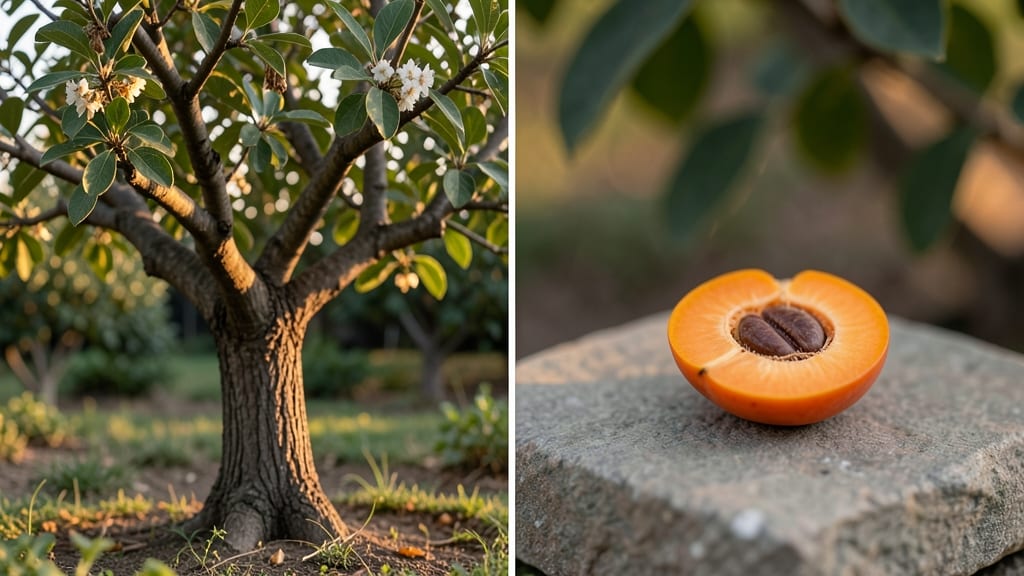
Persimmon seeds aren’t poisonous—they’re packed with potential for your garden. 🌱 I’ve cracked the myth that they’re dangerous, and the truth is far more exciting: they’re just waiting for the right conditions to sprout into a fruit tree.
The real challenge? Understanding how to break their dormancy and store them properly so they don’t dry out or rot.
Most people fail because they skip the cold stratification step, which mimics winter’s natural process. You’ll need a damp paper towel, a sealed plastic bag, and patience—about 60 days in the fridge does the trick.
Once stratified, germination happens fast, often within 2-3 weeks, but only if you keep the soil consistently moist without drowning the seeds.
What you end up with is a sturdy sapling that can grow into a productive tree in 3-5 years. The fruit itself—sweet, honey-like, and perfect for eating fresh or baking—makes every step worthwhile. Plus, persimmons thrive in zones 5-9, so they’re a great choice for many climates.
Here’s the kicker: store seeds in a cool, dry place until you’re ready to plant, and avoid refrigerating them for more than a few months. Now, let’s get those seeds growing—your future tree is counting on you!
📚 In This Guide
- What you need
- Instructions
- Tips and common mistakes
- Wrapping up and next steps
What you need
- ● Persimmon seeds: 10–20 fresh, firm seeds (harvested from ripe, non-astringent persimmons). Pro tip: 💡 Save seeds from fully ripe fruit—avoid those still slightly firm!
- ● Paper towels or coffee filters: 2–3 sheets (cut into small squares or strips for seed wrapping).
- ● Plastic bag or airtight container: 1 (quart-sized with a zip-top for moisture retention).
- ○ Spray bottle (optional but helpful): For gentle misting—water at room temperature.
- ● Small pots or seed trays: 2–4 (3–4 inches deep) with drainage holes. Note: 🌱 Use biodegradable pots if transplanting seedlings later.
- ● Potting mix: 2–3 cups of well-draining, sterile seed-starting mix (avoid garden soil—it may harbor pathogens).
- ● Label markers & tags: 2–3 (to track seed varieties and planting dates).
- ○ Heat mat (optional but recommended): 1 (70–80°F range) to speed up germination. Pro tip: ✨ Persimmon seeds germinate faster in warmth!
- ● Fine-mesh screen or cheesecloth: 1 sheet (for covering pots if humidity is low).
- ● Location: A bright, indirect-light spot (e.g., a sunny windowsill or under grow lights). Warning: 🌡️ Avoid direct sunlight—it can overheat seeds!
- ● Temperature: Ideal germination range: 70–85°F (21–29°C).
- ● Patience: Persimmon seeds can take 2–6 weeks to sprout—consistency is key!
- ● Safety note: Wear gloves if handling seeds from wild persimmons (some may cause skin irritation).
Step-by-step guide to germinating persimmon seeds correctly
This is how I break the germination myth—no cold treatment needed, just patience and the right conditions.
🌱 Step 1: Extract and Clean the Seeds
Grab a ripe persimmon (the flesh should give slightly when pressed) and slice it open. Scoop out the seeds, which look like small, flat beans. Rinse them under cool water to remove any clinging fruit pulp—this prevents mold and speeds up germination. I like to spread them on a paper towel to dry overnight, but don’t let them sit in direct sunlight.
Here’s the thing—persimmon seeds need to be fresh. If you’ve been saving them for months, germination rates drop sharply. Fresh seeds from a recently harvested fruit have the best chance of sprouting within 2-4 weeks. If you’re working with older seeds, soak them in water for 24 hours before planting to rehydrate their outer coating.
💧 Step 2: Stratify Seeds for Better Germination
Unlike many seeds, persimmons don’t require a long cold period, but a short stratification helps break dormancy. Place the cleaned seeds in a sealed plastic bag with a damp paper towel. Store the bag in your refrigerator’s vegetable drawer for 4-6 weeks. Check them weekly—the towel should stay moist but not soggy.
This step mimics natural winter conditions and tricks the seed into thinking it’s time to grow. You’ll know it’s working when tiny roots appear after about 3-4 weeks in cold storage. If you skip stratification, seeds may still germinate, but it’ll take twice as long—or not happen at all.
☀️ Step 3: Plant in Moist, Well-Draining Soil
Fill a small pot or seed tray with light, sandy potting mix—persimmon seedlings hate soggy soil. Plant the stratified seeds ½ inch deep, spacing them 1 inch apart. Water gently until the soil is moist but not waterlogged. Place the pot in a warm spot (around 70-75°F) with indirect light.
Keep the soil consistently moist—never let it dry out completely. A humidity dome or plastic wrap helps retain moisture while the seeds germinate. You’ll see sprouts in 2-4 weeks, but don’t be surprised if some seeds take longer. Patience is key here; persimmons aren’t fast growers.
🌿 Step 4: Transplant Seedlings When Strong Enough
Once seedlings have 2-3 sets of true leaves (not just the initial seed leaves), they’re ready to move. Choose a permanent spot in well-draining soil with full sun. Dig a hole twice as wide as the root ball but only as deep as the container’s base. Gently remove the seedling, place it in the hole, and firm the soil around it.
Persimmons are slow-growing trees, so don’t rush them. The first year is all about root establishment. Water deeply once a week unless it rains, and mulch around the base to retain moisture. You’ll see real growth in the second year—think 1-2 feet tall—but it’s worth the wait for that first harvest.
⏰ Step 5: Protect Young Trees from Frost
Persimmons are tender when young. If you’re in a colder climate, wait until after the last frost to plant. Even then, cover seedlings with frost cloth on chilly nights until they’re established. In warmer zones, plant in early spring to avoid summer heat stress.
This is the moment that matters: don’t let frost catch them off guard. A young persimmon tree can bounce back from a little cold, but repeated freezes will stunt growth. Once they’re 3-4 feet tall, they’ll handle winter better—but it’s still smart to mulch heavily in fall to protect roots.
Tips & tricks for perfect persimmon seed germination
Let me save you from the frustration I went through trying to grow persimmons from seeds—these are the game-changers that actually work.
Freshness is Non-Negotiable: I learned this the hard way after trying to germinate seeds I'd stored for over six months. Fresh persimmon seeds from a recently harvested fruit have the best chance of sprouting within the 2-4 week window mentioned. If you must use older seeds, that 24-hour soak is your lifeline—it rehydrates the outer coating and can make all the difference between success and failure.
Stratification Secrets: The 4-6 week cold treatment in Step 2 isn't just about breaking dormancy—it's about mimicking nature's timing. Place a damp paper towel in a sealed bag with your seeds, then store it in the refrigerator's vegetable drawer. Check weekly to ensure the towel stays moist but not soggy. You'll know it's working when you see those tiny roots after about 3-4 weeks. Pro tip: Use a clear bag so you can see progress without opening it.
Soil Science Matters: That light, sandy potting mix in Step 3 is crucial—persimmons hate soggy soil. I've had better results with a mix that's about 70% sand and 30% peat moss. Plant your seeds just ½ inch deep, and maintain that 70-75°F temperature range with indirect light. A humidity dome or plastic wrap helps maintain consistent moisture during germination, but don't let the soil stay waterlogged—persimmons are notoriously sensitive to root rot.
Patience Pays Off: Remember, persimmons are slow growers. The 2-4 week germination window is just the beginning. Don't be discouraged if some seeds take longer—it's completely normal. What's more important is that you see those first true leaves before transplanting. And when you do, give those seedlings plenty of space—they'll need room to grow those strong roots for that first harvest in the second year.
Pro Tips for Persimmon Seed Myth
- Let me save you from the frustration I went through trying to grow persimmons from seeds—these are the game-changers that actually work.
- Freshness is Non-Negotiable: I learned this the hard way after trying to germinate seeds I'd stored for over six months.
- Stratification Secrets: The 4-6 week cold treatment in Step 2 isn't just about breaking dormancy—it's about mimicking nature's timing.
Frequently asked questions
Got questions about persimmon seeds and their germination myths? You’re not alone! Here are some of the most common concerns—plus clear, practical answers to set your mind (and garden) at ease.
Can you really grow a tree from a store-bought persimmon seed?
Yes! Store-bought persimmons often contain viable seeds—just check for firm, plump seeds (not mushy). However, the resulting tree may not produce fruit identical to the parent plant, as persimmons can cross-pollinate. For consistent fruit, opt for seeds from a known variety or grafted trees.
How long do persimmon seeds take to germinate?
Germination can take anywhere from 2 weeks to 3 months, depending on temperature and moisture. Start seeds indoors in spring (60–70°F) for faster sprouting. Cold stratification (chilling seeds for 30–60 days) can also improve success rates—just mimic winter’s touch!
Are persimmon seeds toxic if eaten?
No need to worry! While raw persimmon seeds contain small amounts of tannins (which can cause mild stomach upset in large quantities), they’re generally safe in moderation. Always remove seeds from unripe fruit—they’re harder and may irritate digestion. Ripe fruit? Enjoy the seeds guilt-free!
What’s the best way to store persimmon seeds for planting later?
Keep seeds in a cool, dry place (like a paper envelope in the fridge) for up to 6 months. For longer storage (up to a year), dry them completely, then store in an airtight container with a moisture absorber (like silica gel). Label them—time flies when you’re waiting for spring!
Why did my persimmon seedling die after sprouting?
Common culprits include overwatering (roots need air!), low light (persimmons love sun), or temperature swings. Keep soil lightly moist, place seedlings in bright indirect light, and avoid drafts. If leaves yellow or wilt, adjust care—your little tree just needs a little TLC!
Wrapping up and next steps
The myth that persimmon seeds are useless or dangerous is just that—a myth! 🌱 These seeds are packed with potential, whether you’re growing a new tree or storing them for future use.
With the right care, they can thrive, offering shade, fruit, and even wildlife benefits for years to come.
Ready to put this knowledge to work? Start small—plant a few seeds in your yard or experiment with storage techniques. Whether you’re a gardener or just curious, there’s no better time to grow your own (literally!). Happy planting! 🌿