Trees
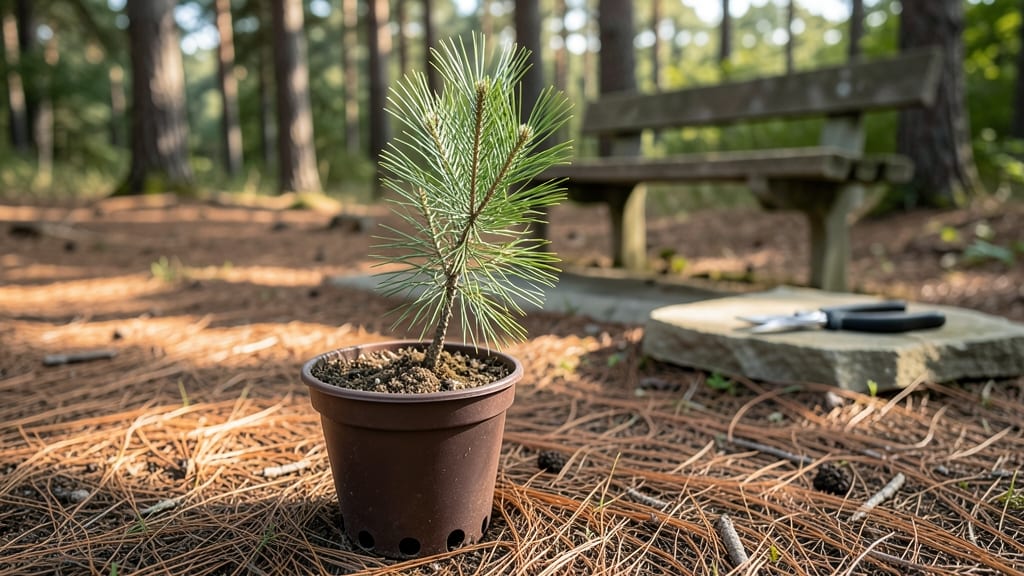
Caring for pine seedlings turns a $5 sapling into a 60-foot shade tree—if you nail the first two years. ✨ I’ve nursed dozens of these finicky little evergreens from flimsy starter plants to sturdy young trees, and the difference comes down to three things: soil that drains like a sieve, watering that mimics nature’s rhythm, and protecting them from critters that see them as snacks.
Most people overwater or overprotect, and that’s how you lose them.
The right setup is simpler than it sounds: a well-draining mix of sand, peat, and pine bark (no fancy amendments needed), a spot with 6+ hours of sun, and a watering can with a long spout to avoid drowning the roots.
Young pines hate soggy feet—think of them like desert plants in disguise. I’ve even grown them in 5-gallon containers for the first year before transplanting, and they thrive just as well as in-ground.
By summer’s end, you’ll see bright green needles instead of sparse, yellowing ones, and the seedlings will be tough enough to handle deer, rabbits, or even a curious squirrel.
The key is consistency: check soil moisture weekly, prune only dead branches, and avoid fertilizing until they’re at least 18 inches tall. That’s when they start putting on serious growth.
This works for any pine species—white, red, or Scotch—whether you’re in the Pacific Northwest’s damp climate or the dry heat of the Southwest. The same principles apply, just tweak the watering schedule. Let’s get those seedlings on the fast track to forest giants.
📚 In This Guide
- What you need
- Instructions
- Tips and common mistakes
- Wrapping up and next steps
What you need
- ● Pine seedlings: 1–3 (depending on space; choose healthy, 1–2 ft tall saplings with firm roots).
- ○ Well-draining soil: 1 bag (1–2 cubic feet) of acidic, sandy loam mix (pH 4.5–6.0). Optional: Mix in 20% perlite or pine bark fines for aeration.
- ● Container or planting site: For containers: 1–2 5–7 gallon pots with drainage holes (plastic or fabric grow bags work too!).
- ● For ground planting: A sunny, sheltered spot with at least 6 ft of vertical space (mature height!).
- ● Organic mulch: 1–2 inches of pine needles, wood chips, or shredded bark (helps retain moisture and mimic natural habitat).
- ● Watering can or hose: With a gentle spray nozzle (avoid blasting roots).
- ● Fertilizer: Slow-release, acid-loving plant fertilizer (e.g., 10-10-10 or pine-specific blend). Dosage: 1 tbsp per gallon of soil at planting.
- ● Pruning shears: Small, sharp pair for trimming dead branches (sterilize with rubbing alcohol!).
- ● Root stimulator: 1 packet (e.g., Mycorrhizal fungi or seaweed extract) to boost root growth.
- ● Shade cloth: Lightweight (30–50%) for seedlings in hot climates (use for first 2–3 weeks).
- ● Moisture meter: To check soil hydration (aim for consistently moist, not soggy soil).
- ● Pest control: Neem oil or insecticidal soap (for aphids or spider mites).
- ● Stakes or support: 1–2 bamboo stakes + soft ties (for windy areas or tall seedlings).
Step-by-Step instructions for pine seedling care
Growing pine seedlings into sturdy saplings takes patience, but these steps simplify the process.
🌱 Step 1: Prepare the Planting Site
Choose a location with full sun exposure—pines thrive where they get at least 6-8 hours of direct sunlight daily. Clear the area of weeds and loosen the top 6 inches of soil to encourage root spread. I like to work the soil until it’s crumbly but not powdery, breaking up any compacted layers that could restrict root growth.
Pines prefer slightly acidic soil with a pH between 4.5 and 6.0. If your soil tests higher, amend it with 1-2 inches of peat moss or pine bark fines mixed into the top layer. Avoid fresh mulch or compost, as these can raise the pH too quickly and harm young seedlings.
💧 Step 2: Plant Seedlings at the Right Depth
Dig a hole just slightly larger than the seedling’s root ball—about twice the width and depth of the container it came in. Gently remove the seedling from its pot and tease the roots apart if they’re circling. Place it in the hole so the top of the root ball sits just below the soil line—burying too deep can suffocate the stem, while planting too shallow exposes roots to drying.
Backfill the hole with soil, pressing lightly around the base to eliminate air pockets. Water deeply right after planting to settle the soil and encourage root contact. You’ll know it’s done right when the soil surface looks slightly firm and the seedling stands upright without leaning.
☀️ Step 3: Water Deeply but Infrequently
Pine seedlings despise soggy roots, so water only when the top 2-3 inches of soil feel dry to the touch. I use a hose with a gentle spray nozzle or a watering can with a narrow spout to avoid disturbing the soil around the base. Aim for 1-2 gallons of water per seedling per watering session, letting it soak in slowly.
Mulch around the base with 2-3 inches of pine straw or wood chips to retain moisture and regulate soil temperature. Keep the mulch 2 inches away from the stem to prevent rot. Overwatering is the fastest way to kill young pines—let the soil dry out between waterings, even if the needles look slightly wilted.
✂️ Step 4: Protect from Pests and Wind
Young pines are vulnerable to browsing deer, rabbits, and even voles. I wrap the lower 6-12 inches of the trunk with tree guard or hardware cloth to deter chewers. For windy areas, stake the seedling loosely with 2-3 bamboo stakes tied to the trunk with soft twine—just enough to keep it upright without restricting growth.
Inspect seedlings weekly for signs of pests like spider mites or aphids. A strong spray of water usually knocks them off, but for stubborn infestations, use an insecticidal soap diluted to 1 tablespoon per gallon of water. Avoid chemical sprays, which can harm the delicate needles and surrounding soil microbes.
🌿 Step 5: Fertilize Lightly in Early Growth
Wait until the seedling shows new growth in spring before applying fertilizer. Use a balanced, slow-release fertilizer (like a 10-10-10 or 20-20-20) at half the recommended strength. Sprinkle the granules 6 inches away from the trunk and water deeply to help them dissolve into the soil.
Pines are slow growers, so over-fertilizing burns their roots. I fertilize only once in early spring and again in midsummer, never more than twice a year. If the needles turn yellow or brown, flush the soil with 2-3 gallons of water per seedling to leach out excess salts.
⏰ Step 6: Monitor and Gradually Reduce Care
After the first growing season, your seedlings should be 12-18 inches tall with a sturdy trunk. Reduce watering to once every 2-3 weeks unless there’s an extended drought. By year three, they’ll need little more than occasional deep watering and annual mulching.
Watch for signs of stress—yellowing needles, stunted growth, or wilting—each signals a specific issue. Yellowing on older needles often means overwatering, while brown tips usually indicate underwatering or low humidity. Adjust your care based on what you observe, and your pines will reward you with strong, healthy growth.
Tips & tricks for perfect pine seedling care
These simple yet critical tricks will help you avoid common pitfalls and give your pine seedlings the best possible start toward becoming strong, healthy trees.
Sunlight Strategy: The 6-8 hours of direct sunlight mentioned in Step 1 is non-negotiable for pine seedlings. If your location gets less sunlight, consider using a portable grow light for 4-6 hours daily during the first growing season. I've seen seedlings in partial shade grow leggy and weak—don't compromise on light exposure. Position your seedlings where they'll get morning sun and afternoon shade if needed, but never less than 5 hours of direct light.
Soil pH Test: Before amending your soil in Step 1, test its pH using a simple soil test kit available at garden centers. Pines prefer slightly acidic soil (4.5-6.0), and many garden soils naturally test higher. I've made the mistake of skipping this test and ended up with seedlings that struggled despite proper watering. If your soil tests above 6.0, mix in 1-2 inches of peat moss or pine bark fines as directed, but don't overdo it—too much acidity can be just as harmful.
Watering Wisdom: When checking the top 2-3 inches of soil in Step 3, use your finger to test moisture—it's more accurate than visual inspection. I've found that pine seedlings often need watering more frequently in containers than in ground plantings because container soil dries out faster. If you're using containers, reduce the 1-2 gallon watering amount to 1 gallon per seedling and check soil moisture daily during hot weather. Remember, the goal is deep watering that encourages root growth, not frequent shallow watering that keeps roots near the surface.
Pest Prevention: In Step 4, don't wait for visible pests to appear before taking action. I've had success with a preventative approach: spray seedlings with a diluted insecticidal soap solution (1 tablespoon per gallon) every 2 weeks during growing season, even when no pests are visible. This creates a protective barrier that deters pests before they become a problem. Also, consider wrapping the lower 6-12 inches of the trunk with tree guard immediately after planting—it's a small investment that can save your seedlings from becoming a deer's snack.
Pro Tips for Pine Seedling Care
- These simple yet critical tricks will help you avoid common pitfalls and give your pine seedlings the best possible s...
- Sunlight Strategy: The 6-8 hours of direct sunlight mentioned in Step 1 is non-negotiable for pine seedlings. If your...
- Soil pH Test: Before amending your soil in Step 1, test its pH using a simple soil test kit available at garden cente...
Frequently asked questions
Got questions about nurturing your pine seedlings into towering trees?
You’re not alone! Here are answers to the most common concerns—so you can grow with confidence.
How often should I water my pine seedling?
Water your pine seedling deeply but infrequently—about once a week, depending on your climate. Overwatering can drown roots, while underwatering stresses the plant. Check soil moisture 1–2 inches down; if it’s dry, it’s time to water. Pro tip: Use a moisture meter for precision!
When can I transplant my pine seedling outdoors?
Transplant after the last frost when soil temps are above 50°F (10°C). Young seedlings need gradual hardening—acclimate them outdoors for 1–2 weeks before full exposure. Choose a spot with 6+ hours of sunlight and well-draining soil. Timing is key: Spring or early fall works best!
What should I do if my pine seedling has brown needles?
Brown needles often signal overwatering, pests, or disease. First, check for root rot (soggy soil = bad). If pests (like spider mites) are culprits, spray with neem oil. For fungal issues, improve airflow and avoid wetting foliage. Act fast: Trim dead needles to redirect energy!
Can I grow a pine tree from a seed instead of a seedling?
Yes, but it’s slower and trickier! Pine seeds need stratification (cold treatment) to germinate. Soak seeds in water for 24 hours, then refrigerate in moist sand for 30–60 days. Plant in well-draining soil and be patient—germination can take months. Seedlings are easier for beginners!
How do I protect my pine seedling from extreme heat or cold?
Pines tolerate cold well, but young seedlings need shade in extreme heat (use shade cloth if temps exceed 90°F/32°C). For winter, mulch the base with 3–4 inches of organic matter to insulate roots. Avoid plastic wraps—they trap moisture and cause rot. Balance is key: Let them adapt naturally!
Wrapping up and next steps
Caring for pine seedlings is a rewarding journey that turns tiny sprouts into towering trees—one nurturing step at a time! 🌱 By mastering soil prep, watering, sunlight, and protection, you’re setting the stage for a thriving pine that’ll bring shade and beauty for decades.
The secret? Patience and consistency—just like watching a seedling grow into a forest giant.
Ready to take the next step? Grab your gloves, pick a sunny spot, and plant that seedling with confidence. Your future pine tree is waiting—let’s grow it together! 🌲✨