Plants
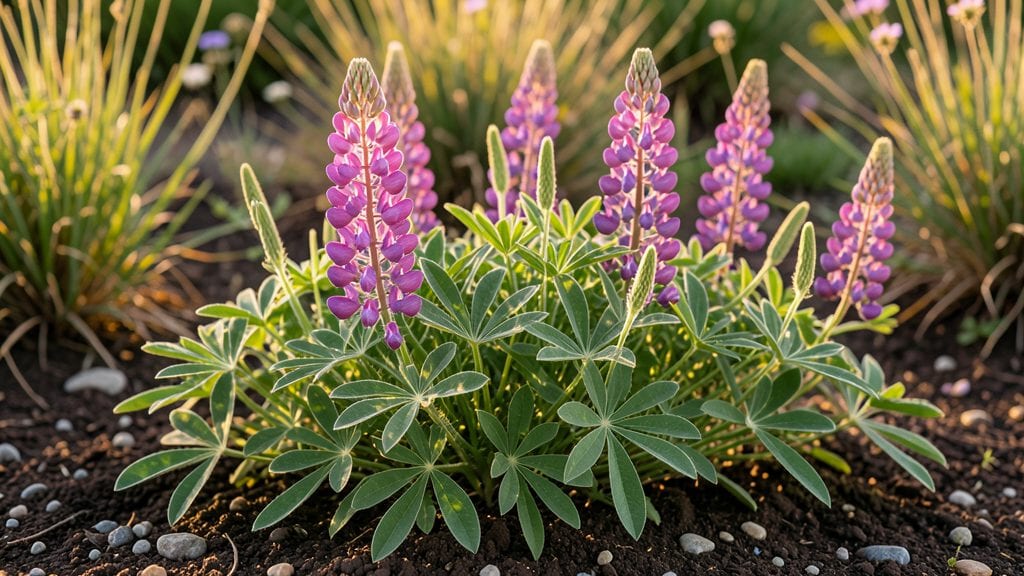
Growing plants with pink seed pods feels like unlocking a secret garden—those striking blooms turn into dramatic architectural accents that last long after the flowers fade. 🌸 I first fell for lupines, their silvery foliage and towering spikes of pink seed pods that catch the light like stained glass.
The best part? These plants don’t just look good—they grow fast, often reaching their full height in just three months with the right care.
Most pink-seed-pod plants thrive in full sun to partial shade and well-draining soil, but the real trick is consistency. Water deeply once a week (more in heatwaves) and feed with balanced fertilizer every 4-6 weeks.
Lupines, sweet peas, and passionflowers all share this trait: they reward patience with bold vertical drama that turns heads in borders or containers. Prune spent blooms to encourage more flowers—and more pods.
By midsummer, you’ll have a garden filled with textured foliage and architectural interest that lasts well into fall. The seed pods themselves become winter decorations, adding rustic charm to dried arrangements.
Whether you’re growing for show or edible varieties like passionfruit, the payoff is worth the effort. Let’s get those plants growing!
Bonus: These plants handle light frosts and often self-seed, so once established, they’re nearly maintenance-free. Perfect for beginners or gardeners who want instant impact with minimal fuss. Here’s how to make it happen in your space!
The Science Behind Color Shifts
Pink seed pods aren’t just a pretty quirk—they’re your plant’s way of communicating its internal state. Understanding why they turn pink (or stay that way) helps you diagnose and nurture your plant more effectively. Here’s what’s really going on inside those pods:
When your plant enters its reproductive phase, ethylene gas—a natural plant hormone—kicks into high gear.
This hormone triggers: - Pod maturation: Ethylene signals seed pods to ripen, which can cause pigment changes (including pink hues) as chlorophyll breaks down. - Stress response: If flowering happens under suboptimal conditions (like low light or inconsistent watering), ethylene production spikes, leading to more dramatic color shifts. - Genetic triggers: Some plant varieties (like certain legumes or ornamental pods) are hardwired to produce pink pigments during this stage due to anthocyanin accumulation—a type of antioxidant that also protects seeds from UV damage.
Actionable tip: 💡 If your pods turn pink too early, your plant may be signaling stress. Check for:
- Overcrowded roots (repot if needed).
- Sudden temperature swings (keep it in a stable 65–75°F range).
Pink pods often pop up when your plant isn’t getting the right balance of light and nutrients, particularly: - Nitrogen deficiency: Too little nitrogen (a key building block for chlorophyll) forces the plant to redirect energy to seed production.
Without enough green pigment, other colors—like pink—become visible. - Phosphorus surplus: Excess phosphorus (common in over-fertilized soil) can block nitrogen uptake, leading to stunted growth and pink-tinged pods. - Low light exposure: Plants in shady spots may produce pods with less chlorophyll, revealing underlying pink or red pigments (a survival tactic to absorb more sunlight).
Quick fix: 🌡️ Test your soil’s pH (ideal: 6.0–7.0 for most pods). If it’s off, amend with:
- Lime (to raise pH) if soil is acidic.
- Sulfur (to lower pH) if soil is alkaline.
Some pathogens and pests trigger pink or discolored pods as a defense mechanism. Watch for: - Powdery mildew: Fungal infections cause pods to develop pinkish-gray patches.
The plant’s immune system produces phenolic compounds (which can appear pink) to fight the fungus. - Aphid infestations: These sap-sucking pests inject toxins that disrupt pigment production, leading to irregular pink spots. - Bacterial blight: Causes pods to ooze and turn pinkish-brown as the plant’s cells degrade.
Prevention: ✨ Spray pods with neem oil (1 tsp per quart of water) weekly during flowering. For severe cases, isolate the plant and treat with a copper fungicide.
Extreme conditions can shock your plant into premature pod coloring:
- Heat stress: Temperatures above 85°F disrupt enzyme activity in pods, causing pigments to break down unevenly (resulting in pink streaks).
- Cold snaps: Below 50°F, chlorophyll production stalls, and anthocyanins (the same compounds that make red leaves red) become more visible.
- Low humidity: Dry air forces pods to harden faster, trapping pigments that would otherwise blend into green.
Solution: 🏡 Use a humidifier near your plant or group pods together to create a microclimate. Move them away from drafts or heating vents.
Not all pink pods are a red flag—some plants are supposed to develop them!
Examples: - **Sweet Peas (Lathyrus odoratus): Their pods naturally turn pink as they mature. - Certain varieties of Lupines or Morning Glories: Bred to display vibrant pod colors during seed development. - Ornamental plants like Physalis peruviana (Cape Gooseberry): Pink-tinged pods are a hallmark of their species.
Pro tip: 🎯 If your plant is a hybrid or named variety, check its care guide**—pink pods might be a desired trait! Otherwise, monitor for other signs of distress (wilting, yellowing leaves).
Revive and Prevent Weak Pods
Pink seed pods can be a stunning addition to your garden, but when they fail to thrive—remaining small, sparse, or weak—it’s time to take action. The good news?
Most issues have simple, effective fixes. Below, we’ve mapped common causes to step-by-step solutions, plus prevention tips to keep your plants strong and productive.
Problem: Too many plants competing for nutrients, water, and sunlight can stunt growth, leading to weak or underdeveloped seed pods.
Fix It:
- 🔥 Assess the Space: Check if your plants are packed too closely. Ideal spacing depends on the variety, but most pink seed pod plants (like Abelmoschus manihot or Canna) need 12–24 inches between stems.
- 👨🍳 Thin or Transplant: Gently remove excess plants or relocate them to a new spot. Use a small trowel to loosen roots before transferring.
- 🌱 Boost Soil Health: Add compost or aged manure to the remaining plants to replenish nutrients.
💡 Prevention Tip: Plant seeds or seedlings at the correct depth and spacing from the start. Check seed packet guidelines!
Problem: Seed pods need full to partial sunlight (6+ hours daily) to develop properly. Shady spots lead to leggy stems and weak pods.
Fix It:
- 🔍 Identify the Issue: Observe your plants—are leaves pale or stretching toward light? That’s a sign of insufficient sun.
- 🌿 Relocate or Supplement: Move potted plants to a sunnier spot or place them near a south-facing window. For garden beds, consider pruning nearby tall plants blocking sunlight.
- 🌡️ Adjust Care: If moving isn’t an option, use a grow light (12–14 hours/day) for indoor plants.
💡 Prevention Tip: Choose a sunny location before planting. Most pink seed pod plants thrive in zones 9–11 but can be grown in containers with proper light.
Problem: Seed pods are sensitive to moisture extremes—overwatering causes rot, while underwatering stunts growth.
Fix It:
- 🔥 Check Soil Moisture: Stick your finger 1–2 inches deep into the soil. If it’s dry, water; if soggy, hold off.
- 👨🍳 Adjust Your Routine:
- Underwatered? Water deeply 2–3 times per week (more in heatwaves).
- Overwatered? Let the top 2 inches dry out between waterings. Improve drainage with perlite or sand.
- 🌧️ Mulch for Stability: Apply 2–3 inches of mulch (straw or wood chips) to retain moisture and regulate temperature.
💡 Prevention Tip: Morning watering reduces evaporation and fungal risks. Avoid wetting leaves to prevent disease.
Problem: Weak pods often signal a lack of phosphorus (for blooms) or potassium (for fruit development).
Fix It:
- 📊 Test Your Soil: A simple DIY soil test kit (available at garden centers) can reveal deficiencies.
- 🥗 Fertilize Smartly:
- For Blooms: Use a balanced fertilizer (10-10-10) or one high in phosphorus (e.g., 5-10-5).
- For Pod Development: Switch to a potassium-rich fertilizer (e.g., 0-10-10) once flowers appear.
- 🌿 Organic Boost: Mix in banana peels (potassium) or crushed eggshells (calcium) into the soil.
💡 Prevention Tip: Side-dress plants with compost or fertilizer every 4–6 weeks during the growing season.
Problem: Aphids, spider mites, or whiteflies can drain sap, leading to weak, deformed pods.
Fix It:
- 🔍 Spot the Culprits: Check undersides of leaves for sticky residue (honeydew) or tiny webs.
- 🔪 Treat Naturally:
- Neem oil spray (mix 1 tbsp neem oil + 1 tsp mild soap + 1 quart water). Spray every 5–7 days.
- Introduce predators: Ladybugs or lacewings eat aphids naturally.
- 🌿 Prune Infested Areas: Remove heavily damaged leaves and dispose of them in sealed bags.
💡 Prevention Tip: Encourage biodiversity—plant marigolds or basil nearby to repel pests.
Problem: Leaving seed pods on the plant too long can cause them to shrink, split, or fall prematurely.
Fix It:
- 📅 Harvest at Peak: Pink seed pods are usually ready when they’re firm, plump, and fully colored (not yet dry or cracked).
- 👨🍳 Gently Twist or Cut: Avoid pulling—grip the base and twist or use clean scissors to snip stems.
- 🌿 Store Properly: Keep pods in a cool, dry place (not refrigerated) for up to 2 weeks.
💡 Prevention Tip: Monitor pods daily during peak season. Overripe pods won’t improve—harvest early!
For bold, healthy pink seed pods, pair these fixes:
- Morning sun + balanced fertilizer = Stronger stems.
- Proper spacing + mulch = Fewer pests, better roots.
- Consistent watering + neem oil = Disease-resistant plants.
With these adjustments, your pink seed pods will thrive in no time—ready for dramatic height and vibrant displays! 🌸✨
Frequently asked questions
Which plants naturally produce pink seed pods?
Popular varieties include lupines, sweet peas, passionflowers, and Cape gooseberries. Lupines develop striking silvery foliage with tall pink seed spikes, while sweet peas create delicate, fragrant blooms that mature into pink pods. Passionflowers produce unique, edible pods with pink hues when ripe. All thrive in full sun and well-draining soil.
Can I grow pink seed pods in containers?
Many varieties like lupines and sweet peas adapt well to containers, especially if given at least 12-inch depth and drainage holes. Use a light, airy potting mix and place in a sunny spot. Containers dry out faster—water every 2-3 days in summer and fertilize monthly with a balanced formula for best results.
Why are my pink seed pods turning brown too early?
Premature browning often signals overwatering or fungal issues. Check soil moisture—pods should stay firm, not soggy. Improve airflow by spacing plants 12-18 inches apart and avoid wetting leaves. If fungal spots appear, treat with neem oil or copper fungicide. Heat stress above 85°F can also cause premature drying.
How do I encourage more pink seed pods?
Focus on three key factors: sunlight (6+ hours daily), balanced fertilizer (use 10-10-10 during blooming), and consistent moisture. Deadhead spent blooms to redirect energy to new growth. For lupines, prune back stems by one-third after flowering to promote bushier regrowth. Most varieties self-seed readily once established.
Are pink seed pods edible?
Some are! Passionfruit and Cape gooseberries produce edible pink pods with sweet, tangy flesh inside. Others like lupines are ornamental only—some varieties contain toxic alkaloids. Always verify before consuming. Harvest pods when fully colored but still firm for best flavor and texture.