
Propagation
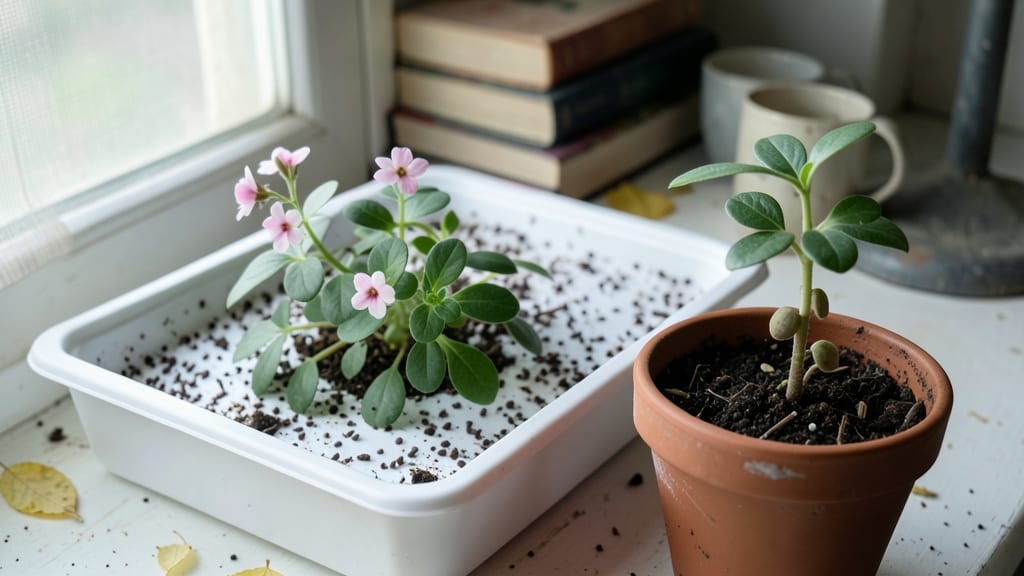
Planting vinca seeds with the layered moisture trick transformed my germination rates from spotty to reliable—no more wilting trays or mysterious failures. The secret lies in mimicking the Mediterranean soil conditions vinca thrives in: fine, evenly damp, and just loose enough for roots to find their way.
My first batch struggled until I realized standard watering left the top layer bone-dry while the bottom stayed soggy. This method fixes that.
You’ll need just three things to start: a shallow tray with drainage holes, a mix of 50% potting soil and 50% perlite or sand, and a spray bottle for gentle moisture. Vinca seeds are tiny, so I scatter them on the surface rather than burying them—light helps trigger germination.
Once planted, the trick is keeping that top layer consistently moist without drowning the seeds. A clear plastic dome or plastic wrap works perfectly to trap humidity while allowing light through.
Within 10-14 days, you’ll see those first pale green shoots pushing through the soil, and by 3-4 weeks, you’ll have sturdy seedlings ready for transplanting. The key is patience—they grow slowly at first but reward you with glossy, deep-green foliage that’s nearly indestructible once established.
These plants handle heat, drought, and even occasional foot traffic, making them the ultimate low-maintenance ground cover.
For best results, place vinca in full sun to partial shade once transplanted, and space them 6-12 inches apart depending on the variety. Pair them with lavender, rosemary, or other drought-tolerant perennials for a Mediterranean-style garden that thrives on neglect.
The layered moisture method isn’t just for seeds—it’s the foundation for healthy vinca plants that’ll spread and flourish for years.
📚 In This Guide
- What you need
- Instructions
- Tips and common mistakes
- Wrapping up and next steps
What you need
- ● Vinca seeds: 1 packet (typically 100–500 seeds; choose Catharanthus roseus for classic vinca)
- ● Seed-starting mix: 2–3 quarts of sterile, well-draining mix (e.g., 50% coconut coir + 50% perlite or vermiculite)
- ● Containers: Seed trays (1020-cell or 72-cell) or
- ● Small pots (3–4 inches deep) with drainage holes (2–3 per batch)
- ● Misting bottle: 1 (for gentle hydration)
- ● Plastic wrap or humidity dome: 1 (to retain moisture)
- ● Grow lights or sunny windowsill: Access to bright, indirect light (6+ hours/day)
- ○ Thermometer: Optional but helpful (ideal soil temp: 70–75°F)
- ● Bottom heat mat: Speeds up germination (set to 75–80°F)
- ● Fungicide: 1 tsp per gallon of water (prevents damping-off)
- ● Label markers: To track seed varieties and planting dates
- ● Fertilizer (low-dose): Balanced 10-10-10 or fish emulsion (after sprouts appear)
Step-by-Step instructions for planting vinca seeds
Here’s how to coax those stubborn vinca seeds into sprouting with a simple moisture trick.
Prepare Your Containers and Soil
Vinca seeds need consistent moisture to germinate, so start with containers that hold humidity well—like shallow trays or small pots with drainage holes. Fill them with a well-draining seed-starting mix, but here’s the thing: vinca seeds don’t like soggy soil. I mix the seed-starting mix with 20% perlite to keep it loose and prevent compaction. Press the soil down gently until it’s firm but not packed—just enough to hold its shape when you tap the tray.
Moisten the soil lightly with lukewarm water until it’s damp to the touch, like a wrung-out sponge. Avoid oversaturating it; you want it moist, not waterlogged. The goal is to create an environment where seeds stay hydrated without drowning. If the soil feels dry after a few days, add a little more water, but never let it pool at the bottom.
Sow the Seeds Strategically
Vinca seeds are tiny, so I use a toothpick to place them ⅛ inch deep in the soil. Scatter them lightly—about 5-6 seeds per inch—since germination rates can be unpredictable. Cover them with a thin layer of the same seed-starting mix, but don’t press down too hard. You’re not burying them; just giving them a gentle blanket to encourage even sprouting.
Here’s the moisture trick: After sowing, mist the soil surface with a spray bottle until it’s evenly damp. Then, place the tray inside a clear plastic bag or cover it with a sheet of plastic wrap. This creates a mini greenhouse effect, trapping humidity right where the seeds need it. Seal it loosely—you want airflow to prevent mold, but enough moisture to keep the soil consistently damp.
Maintain Ideal Conditions for Germination
Vinca seeds need warmth to sprout, so place the covered tray in a spot with 70-75°F temperatures. A seedling heat mat works wonders if your home runs cooler. Keep the soil moist by checking it daily—if the surface feels dry, mist it lightly again. The plastic covering will slow evaporation, but you’ll still need to monitor it closely.
Germination can take 2-4 weeks, so patience is key. Once you see the first green shoots, remove the plastic cover immediately to prevent damping-off—a fungal disease that attacks tender seedlings. At this stage, vinca seedlings are delicate, so avoid disturbing them. They’ll need bright, indirect light to grow strong, but no direct sun yet.
Thin and Transplant Seedlings
When seedlings reach 1-2 inches tall, it’s time to thin them. Use a small pair of scissors to snip the weakest stems at the soil line, leaving the strongest 2-3 seedlings per inch of space. This prevents overcrowding and gives each plant room to grow. After thinning, water gently from the bottom of the tray to avoid dislodging the remaining seedlings.
Once they’ve developed 2-3 sets of true leaves (not the initial seed leaves), they’re ready for transplanting. Harden them off by placing the tray outside in a shaded spot for 1-2 hours the first day, gradually increasing exposure over 5-7 days. Vinca thrives in full sun, so after hardening, move them to a sunny location where they’ll get at least 6 hours of direct light daily.
Tips & tricks for planting vinca seeds
These refined techniques will help you maximize your vinca seed germination rates while avoiding common pitfalls that compromise moisture balance.
Soil Texture Matters: The 20% perlite addition in Step 1 is crucial—it creates the perfect air-to-moisture ratio vinca seeds crave. If your soil feels too dense after mixing, add another 5% perlite. This prevents compaction while maintaining the moisture levels essential for germination. I've found that using a small trowel to gently fluff the soil after mixing ensures even distribution of the perlite without disrupting the soil structure.
Precision in Seed Placement: When sowing those tiny vinca seeds at ⅛ inch depth in Step 2, I recommend using a fine-tip paintbrush instead of a toothpick. The brush gives you better control over placement and prevents accidental deep planting, which can delay or prevent germination. After sowing, I like to gently press the seeds into the soil with the back of a spoon rather than covering them with additional soil—this maintains the delicate moisture balance while keeping seeds properly positioned.
Moisture Management During Germination: The 70-75°F temperature range in Step 3 is ideal, but maintaining consistent moisture is equally critical. I've developed a simple system: place a small dish of water near the seed tray to increase ambient humidity. Check the soil moisture daily by pressing your finger about ½ inch deep—this gives a more accurate reading than surface checks. If you notice condensation forming on the plastic cover, it's a sign you've achieved the perfect humidity level without risking mold development.
Light Transition Strategy: When you're ready to remove the plastic cover after germination (Step 3), I suggest a gradual light transition. Move the tray to a spot with bright, indirect light for the first 24 hours, then gradually introduce more direct light over 3-4 days. This prevents the delicate seedlings from experiencing light shock, which can cause them to become leggy or weak. Vinca seedlings are particularly sensitive to sudden light changes during their early growth stages.
Pro Tips for Planting Vinca Seeds
- These refined techniques will help you maximize your vinca seed germination rates while avoiding common pitfalls that compromise moisture balance.
- Soil Texture Matters: The 20% perlite addition in Step 1 is crucial—it creates the perfect air-to-moisture ratio vinca seeds crave.
- Precision in Seed Placement: When sowing those tiny vinca seeds at ⅛ inch depth in Step 2, I recommend using a fine-tip paintbrush instead of a toothpick.
Frequently asked questions
Got questions about planting vinca seeds? You’re not alone! Here are some of the most common concerns—and their solutions—to help you grow vibrant vincas with confidence.
How long does it take for vinca seeds to germinate?
With the layered moisture trick, vinca seeds typically germinate in 14–28 days under ideal conditions (warm soil, consistent moisture, and bright indirect light). Patience is key—some stubborn seeds may take up to 45 days. Keep the soil warm (around 70–75°F) and avoid overwatering to speed up the process.
Can I plant vinca seeds outdoors in cold climates?
Vinca seeds hate cold soil—they won’t germinate below 50°F. In chilly regions, start seeds indoors 8–10 weeks before the last frost, then transplant seedlings after temperatures stabilize. Alternatively, use a seedling heat mat or grow them in a greenhouse until spring. Hardening off seedlings is a must before moving them outside!
What’s the easiest alternative to growing vinca from seeds?
If seeds feel too finicky, try propagating vinca from cuttings—it’s faster and almost foolproof! Snip a 4–6 inch stem, remove lower leaves, dip in rooting hormone, and place in moist perlite or water. Roots form in 2–4 weeks. Plus, you’ll get identical plants to your favorite vinca variety!
Why aren’t my vinca seeds sprouting? Troubleshooting tips.
If your seeds are MIA, check these common culprits:
- Cold soil: Vinca seeds need warmth—use a heat mat or move pots to a sunny windowsill.
- Too much water: Overwatering suffocates seeds. Keep soil moist but not soggy.
- Low light: Seeds need bright, indirect light (a grow light helps).
- Old seeds: Vinca seeds lose viability after 1–2 years. Buy fresh seeds for best results.
Still no luck? Try scarifying seeds (lightly nicking the shell) or soaking them overnight to break dormancy.
How do I know when vinca seedlings are ready to transplant?
Seedlings are ready when they’ve developed 2–3 sets of true leaves (not the tiny cotyledons) and are 3–4 inches tall. Harden them off by gradually exposing them to outdoor conditions (start with 1–2 hours/day) for 7–10 days before planting. Choose a cloudy day to minimize stress on your new plants!
Wrapping up and next steps
Planting vinca seeds with the layered moisture trick isn’t just a hack—it’s your ticket to a lush, thriving garden with near-guaranteed success! 🌱 Whether you’re a seasoned gardener or just starting out, this method simplifies germination while teaching you the art of patience and care.
Now that you’ve got the know-how, roll up your sleeves and give it a try—your vinca plants (and future pollinators!) will thank you.
Ready to watch those seeds sprout? Start by gathering your supplies, then head back to our materials guide for a refresher. Or, if you’re eager to dive deeper, explore common challenges and pro tips to keep your vinca thriving year-round!