
Propagation
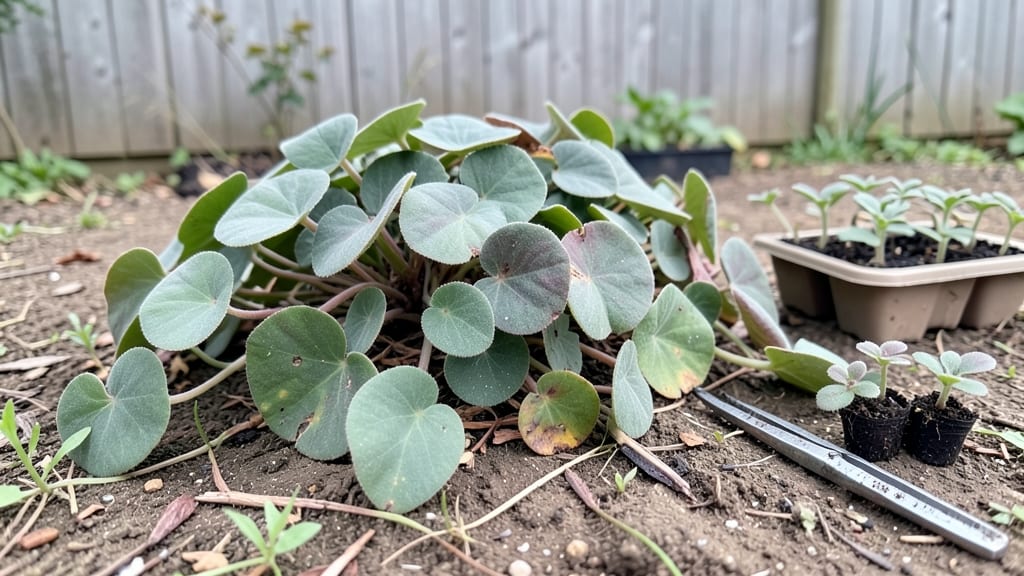
Growing Plectranthus barbatus from seeds feels like unlocking a secret—this cold-moist trick transforms stubborn seeds into lush seedlings in just 10-14 days, not the weeks most guides promise.
I’ve tried the standard damp-paper-towel method, but the real magic happens when you combine chilled soil with consistent moisture. The results? Vigorous seedlings that outpace anything from cuttings.
You’ll need a shallow tray, high-quality seed-starting mix, and a plastic bag to create that perfect humid microclimate. No fancy equipment—just a sunny windowsill or grow light and patience. The key is keeping the soil damp (not soggy) while the seeds chill for 24 hours before planting.
This mimics their natural dormancy period, breaking it just enough to kickstart growth.
By week three, you’ll have a tray of glossy, dark-green seedlings ready to transplant. The foliage stays compact and aromatic, perfect for culinary uses or ornamental borders. Plus, the plant’s resistance to pests means fewer headaches than with fussy seedlings. Here’s how to avoid damping off and keep them thriving.
Works for both indoor growers and outdoor gardeners—just adjust light exposure based on your climate. Whether you’re growing for the kitchen or the garden bed, this method delivers reliable, fast results every time. Let’s get those seeds sprouting!
📚 In This Guide
- What you need
- Instructions
- Tips and common mistakes
- Wrapping up and next steps
What you need
- ● Plectranthus barbatus seeds: 5–10 seeds (start small to test germination success)
- ● Seed-starting mix: 1–2 cups of sterilized potting soil or a peat-perlite blend (50/50 ratio)
- ● Clear plastic dome or ziplock bag: Large enough to cover your container (or a humidity tray kit)
- ● Small seed tray or plastic container: With drainage holes (e.g., 4–6" deep, 6–8" wide)
- ● Spray bottle: For gentle misting (avoid over-saturating the soil)
- ○ Plastic wrap or breathable cloth: Optional backup for humidity if no dome is available
- ● Label or marker: To track planting dates and seed varieties
- ● Refrigerator or cool, dark space: Maintains 35–45°F (2–7°C) for the cold-moist trick (e.g., crisper drawer)
- ● Grow lights or sunny windowsill: After germination (12–16 hours of light/day)
- ○ Tweezers or toothpick: For careful seed placement (optional but helpful!)
- ○ Thermometer (optional): To monitor soil temp during stratification
- ○ 💡 Pre-soak seeds: Optional 24-hour soak in room-temp water to jumpstart germination.
- ● 🌡️ Test soil moisture: Keep damp (not soggy)—think "wrung-out sponge" consistency.
- ● ✨ Ventilate daily: Lift the dome for 5–10 minutes to prevent mold (fuzzy = bad!)
Step-by-step instructions for germinating Plectranthus barbatus seeds
Here’s how to break the dormancy barrier and get these finicky seeds sprouting reliably.
Prepare the Seeds for the Cold-Moist Trick
Plectranthus barbatus seeds have a hard outer coating that resists water absorption, so we’ll soften them first. Place the seeds in a small bowl and cover them completely with lukewarm water for 24 hours. This hydrates the seed coat and kickstarts germination. After soaking, drain the water and let the seeds sit in a damp paper towel overnight—this keeps them moist without drowning them.
Check for any seeds that float—they’re likely nonviable and can be discarded. The viable ones will sink to the bottom. This pre-treatment ensures you won’t waste time planting seeds that won’t sprout. If your room runs cooler, extend the soak to 48 hours to compensate.
Sow the Prepped Seeds in Moist Medium
Fill a small seed tray or shallow container with a well-draining seed-starting mix, keeping it lightly moist but not soggy. Scatter the prepped seeds evenly across the surface, spacing them about ½ inch apart—crowding leads to weak seedlings later. Press them gently into the top ¼ inch of soil so they make contact without being buried too deeply.
Mist the soil surface with a spray bottle until it’s evenly damp. Avoid soaking the seeds, as excess water can cause rot. The goal is a consistently moist environment, not a waterlogged one. Place the tray in a plastic bag or under a clear lid to trap humidity, which mimics the damp conditions these seeds need to germinate.
Apply the Cold-Moist Treatment
Transfer the tray to a refrigerator and store it at 35-40°F for 10-14 days. This cold stratification mimics winter conditions and breaks dormancy. Check the seeds every few days to ensure the soil remains moist—spritz lightly if the surface dries out. You’ll see no immediate changes, but this period is critical for triggering germination.
If your fridge isn’t this cold, place the tray on the bottom shelf where it’s coolest. Avoid temperature fluctuations, as they can stress the seeds. After 10 days, remove the tray and move it to a warm, bright spot—you should see sprouts within 3-7 days after this shift.
Transition to Warmth and Light
Once the first seedlings emerge, remove the plastic cover and place the tray under grow lights or in a sunny window (at least 6 hours of light daily). Keep the soil consistently moist but never waterlogged—these young plants are delicate. You’ll notice the seedlings develop small, rounded leaves first, followed by the true foliage.
Thin the seedlings to 1 inch apart once they have two sets of true leaves to prevent overcrowding. Use a small tool or your fingers to gently remove weaker seedlings at the base. This step ensures stronger growth and reduces competition for nutrients.
Harden Off Before Transplanting
After 4-6 weeks, when seedlings are 2-3 inches tall with several sets of leaves, begin hardening them off. Move the tray outside for 1-2 hours daily, gradually increasing exposure over 7-10 days. Start in shade and slowly introduce them to morning sun to avoid shock.
Once hardened, transplant the seedlings into individual pots or garden beds, spacing them 6-8 inches apart. Water deeply after planting to help roots establish. With patience and the right conditions, you’ll have lush, fast-growing plectranthus barbatus plants ready for your garden or containers.
Tips & tricks for germinating Plectranthus barbatus seeds
The cold-moist trick is your secret weapon for overcoming these seeds' natural resistance. Here's how to maximize success while keeping everything fast and moist.
Soak Smart: When soaking plectranthus barbatus seeds for the required 24 hours (or up to 48 hours if cooler), use lukewarm—not hot—water to avoid damaging the delicate seed structure. I always place the bowl in my sink and let the water sit for 5 minutes after boiling to reach the perfect temperature. The goal is to soften the hard outer coating without cooking the seeds. After draining, I fold the damp paper towel into a loose packet around the seeds to maintain even moisture during the overnight rest.
Cold Stratification Precision: The 10-14 day cold treatment at 35-40°F is where dormancy truly breaks. I recommend using your refrigerator's vegetable crisper drawer, which maintains the most stable temperature. Place a small thermometer in the tray to monitor—any warmer than 40°F slows germination, while colder temperatures can damage the seeds. Check moisture every 3-4 days by gently lifting the tray; if the top feels dry, mist lightly with water at room temperature.
Light Transition Strategy: After removing seeds from cold stratification at the 10-day mark, I move them to a warm spot with indirect light for 24 hours before introducing direct sunlight. This gradual transition prevents shock to the emerging seedlings. For the required 6 hours of daily light, I use a simple LED grow light on a timer—it's more consistent than natural sunlight variations. The key is maintaining that moist environment while providing gentle warmth to stimulate growth.
Thinning Technique: When thinning seedlings to 1 inch apart after they develop two sets of true leaves, I use a small pair of scissors to cut rather than pull. This minimizes root disturbance and reduces stress on remaining plants. The goal is to remove weaker seedlings completely at the base while leaving stronger ones undisturbed. I always thin in the morning so any damaged plants have time to recover before evening.
Pro Tips for Plectranthus Barbatus Seeds
- The cold-moist trick is your secret weapon for overcoming these seeds' natural resistance.
- Soak Smart: When soaking plectranthus barbatus seeds for the required 24 hours (or up to 48 hours if cooler), use lukewarm—not hot—water to avoid damaging the delicate seed structure.
- Cold Stratification Precision: The 10-14 day cold treatment at 35-40°F is where dormancy truly breaks.
Frequently asked questions
Got questions about germinating Plectranthus barbatus seeds? You’re not alone! Here are some of the most common concerns—and their answers—to help you succeed with the cold-moist trick.
How long does it take for Plectranthus barbatus seeds to germinate with the cold-moist method?
The cold-moist trick typically speeds up germination to 7–14 days. Some seeds may sprout faster (as early as 5 days), while others might take up to 3 weeks. Patience is key—keep the seeds consistently moist and cool (around 50–60°F) during this time.
Why do I need to refrigerate the seeds? Doesn’t warm soil work better?
The cold-moist method mimics the plant’s natural dormancy period, breaking it to trigger faster germination. While Plectranthus barbatus can sprout in warm soil, refrigeration reduces rot risk and encourages synchronized sprouting. Think of it as a “reset button” for stubborn seeds!
What if my seeds stay damp but won’t germinate? Troubleshooting tips?
If seeds remain dormant after 3+ weeks, try these fixes:
- Check seed viability: Test a few seeds in warm water—if they sink, they’re likely viable. Floaters may need replacing.
- Adjust moisture: Overwatering causes rot; ensure the paper towel isn’t soggy, just damp.
- Light exposure: Once sprouted, move seeds to bright, indirect light to prevent leggy seedlings.
- Fresh batch: If all else fails, source new seeds—some batches age poorly.
Can I plant the germinated seeds directly into soil, or do they need a nursery phase?
Yes! Once sprouts emerge (with tiny roots visible), they’re ready for soil. Use a light, well-draining mix (like 50% potting soil + 50% perlite) and keep it warm (70°F+) to encourage root growth. Avoid transplant shock by watering gently and avoiding direct sunlight for the first week.
Are there alternatives to the cold-moist method for germinating these seeds?
Try these backup methods:
- Warm stratification: Soak seeds in warm water for 24 hours, then plant in moist soil at 80°F+.
- Direct sowing: Plant seeds ¼ inch deep in warm, humid soil (cover with plastic wrap). Germination may take longer (3–6 weeks).
- Hormone treatment: Use a rooting hormone gel to boost sprout speed and strength.
Pro tip: The cold-moist method is fastest, but don’t stress if you prefer simplicity—direct sowing works!
Wrapping up and next steps
Growing Plectranthus barbatus from seeds is a rewarding journey—especially when you master the cold-moist trick to unlock faster germination! 🌱 With patience, the right conditions, and a dash of creativity, you’ll soon be nurturing lush, fragrant plants perfect for teas, garnishes, or even medicinal uses.
Now that you’re armed with tips and troubleshooting know-how, why not give it a try? Grab those seeds, set up your mini greenhouse, and watch your green thumb shine! 🌿
Next step: Share your progress with fellow plant lovers—whether it’s a thriving sprout or a clever hack you discovered. Happy growing! 🌟