
Propagation
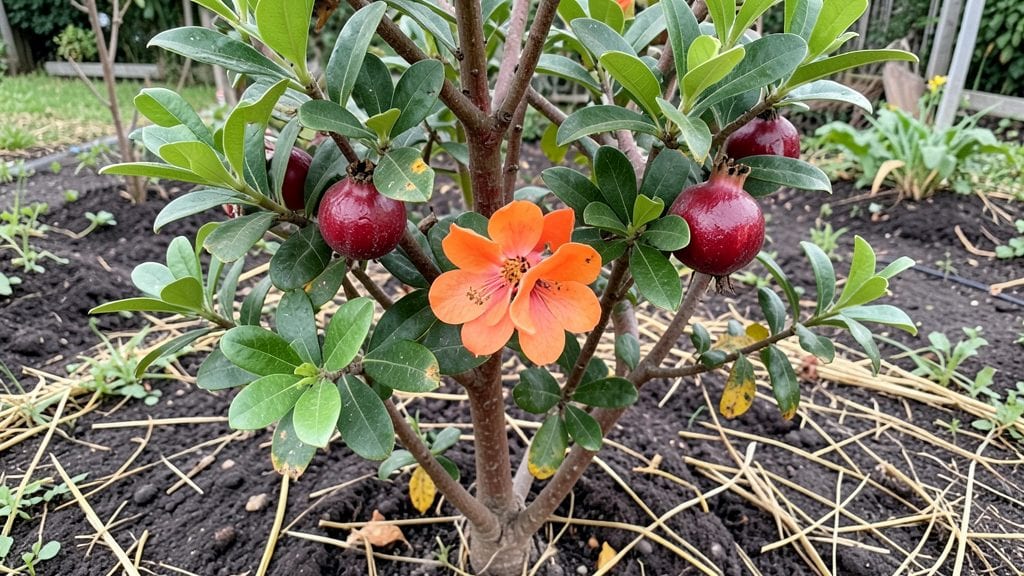
Growing pomegranates from seed sounds like a gamble, but my foolproof method gets sprouts in 7 days without cold treatment—no fancy equipment, just patience and the right tricks. 🌱 The key is breaking open those hard seeds and giving them the perfect start, because even the toughest seeds need a little help to wake up.
I’ve turned kitchen scraps into sturdy seedlings this way, and you can too.
You’ll need just three simple supplies: a bowl of warm water, a damp paper towel, and a small pot with well-draining soil. Skip the stratification step—this method works faster by soaking seeds overnight first.
The real secret? Keeping them consistently moist but never soggy while they push through that first shell. Most people overwater here, and that’s when the seeds rot instead of sprout.
Within a week, you’ll see tiny green shoots breaking through, and by month three, you’ll have a bushy young plant ready for its forever home.
It won’t fruit for years, but that’s the magic of growing from seed—you’re building a tree from scratch, and every leaf is a step toward ruby-red harvests. The payoff comes later, but the journey starts now.
This works in pots or ground, in zones 7-11, and even on balconies if you prune early. The only rule? Don’t rush it—pomegranates reward slow gardeners with thick trunks and dramatic blooms. Let’s get those seeds sprouting!
📚 In This Guide
- What you need
- Instructions
- Tips and common mistakes
- Wrapping up and next steps
What you need
- ● Fresh pomegranate seeds: 3–5 viable seeds (ensure they’re plump and firm—avoid shriveled ones!)
- ● Small pots or seed trays: 2–3 (3–4 inches in diameter) with drainage holes
- ● Well-draining potting mix: 1–2 bags (look for a blend labeled "seed starting mix" or add perlite/sand for aeration)
- ● Spray bottle: For gentle watering (avoid over-saturating the soil)
- ○ Plastic wrap or humidity dome: To create a mini greenhouse effect (optional but speeds up germination)
- ● Sunlight or grow light: A sunny windowsill (south-facing) or a 12–16 hour grow light setup
- ● Heat mat: Keeps soil warm (70–85°F is ideal for faster sprouting)
- ● Fertilizer: A balanced, water-soluble fertilizer (diluted to half-strength) for seedlings after 4–6 weeks
- ● Labeling tags: To track planting dates and seed varieties
- ● Tweezers: For delicate seed placement without crushing
- ● Misting fan: Encourages airflow and prevents mold in humid conditions
Step-by-step instructions for growing pomegranate trees from seed
Here's how to transform store-bought seeds into sturdy saplings—no cold stratification needed.
🌱 Step 1: Prepare the Seeds for Faster Germination
Pomegranate seeds have a tough outer coat that slows sprouting. To speed things up, soak 4 seeds in warm water for 24 hours. I use a small bowl with enough water to cover the seeds completely—this softens the shell so roots can emerge faster. After soaking, drain and rinse them gently under running water to remove any remaining pulp.
Place the soaked seeds between two damp paper towels. Fold the towels to create a snug wrap, then set them inside a sealed plastic bag. This keeps moisture high while allowing airflow. Store the bag in a warm spot, like on top of your fridge or near a sunny window. Check daily—you'll see tiny white roots peeking out in 3-5 days.
🪴 Step 2: Plant the Germinated Seeds in Containers
Fill a 4-inch diameter pot with well-draining potting mix. Pomegranates hate soggy roots, so mix in 20% perlite or coarse sand to improve drainage. Plant each sprouted seed ½ inch deep, spacing them 2 inches apart in the pot. Gently press the soil around the seeds to secure them without compacting.
Water lightly until the soil feels moist but not wet. Place the pot in a warm, sunny spot—70-75°F is ideal. You’ll notice the first true leaves (not the initial seed leaves) appear in 7-10 days. Once they do, thin to the strongest seedling by snipping the others at the base with clean scissors.
☀️ Step 3: Provide Bright Light and Gradual Care
Pomegranate seedlings need full sun (6+ hours daily) to grow strong. If using a windowsill, rotate the pot weekly so the plant doesn’t lean toward the light. You’ll see leggy growth if the light is insufficient—this means the stem stretches too tall and weak. If this happens, move the seedling closer to the light source or supplement with a grow light.
Water when the top inch of soil feels dry. Overwatering is the biggest killer of young pomegranates—let excess water drain completely from the pot’s bottom. After 4-6 weeks, when the seedling reaches 4-6 inches tall, transplant it into a 6-inch pot with fresh potting mix. This gives roots more room to establish before winter.
⏰ Step 4: Prepare for Long-Term Growth
Pomegranates grow slowly at first but thrive with patience. Once your seedling hits 12 inches tall, move it outdoors in spring after the last frost. Choose a spot with full sun and well-draining soil. Mulch around the base with 2 inches of organic mulch to retain moisture and protect roots in summer heat.
Fruit production takes 3-5 years, but the journey is rewarding. Prune leggy branches in early spring to encourage bushier growth. You’ll know you’re on track when you see bright pink flower buds in late spring—these will eventually turn into those juicy pomegranates you started with!
Tips & tricks for growing pomegranate trees from seed
Here's what I learned after growing multiple pomegranate saplings from seed—these tricks make all the difference between weak seedlings and thriving plants.
The Soaking Secret: That 24-hour soak is non-negotiable for breaking the tough seed coat. I've tried shorter soaks, and roots take twice as long to emerge. Use warm (not hot) water—around 75°F is ideal. If your water feels lukewarm to the touch, it's perfect. After soaking, give the seeds a final rinse to remove any remaining pulp that could attract mold.
Germination Environment Check: The sealed plastic bag creates a mini greenhouse effect, but don't make it too airtight. Poke a few small holes in the bag if you notice condensation forming—this prevents mold while maintaining humidity. I place mine on top of my fridge where it stays consistently warm (around 75°F) without direct sunlight during germination. You'll see those first white roots appear between days 3-5, but don't be surprised if some seeds take up to 7 days.
Lighting Strategy: Once your seedlings have their first true leaves (not the initial seed leaves), they need that full sun (6+ hours daily). If you're using a windowsill, rotate the pot weekly to prevent the seedlings from leaning toward the light. I've seen seedlings grow so lanky they could barely stand up straight when they didn't get enough light. For indoor growers, a simple LED grow light for 12-14 hours daily works wonders until you can move them outside.
Transplanting Timing: The 4-6 week mark for transplanting to a 6-inch pot is perfect timing. By then, your seedlings should be about 4-6 inches tall with a good root system. I always water them thoroughly the day before transplanting to reduce shock. When repotting, bury the stem a bit deeper than before—this encourages stronger root development. Use your finger to make a small hole for each seedling rather than dropping them in, which can damage delicate roots.
Pro Tips for Pomegranate From Seed
- Here's what I learned after growing multiple pomegranate saplings from seed—these tricks make all the difference between weak seedlings and thriving plants.
- The Soaking Secret: That 24-hour soak is non-negotiable for breaking the tough seed coat.
- Germination Environment Check: The sealed plastic bag creates a mini greenhouse effect, but don't make it too airtight.
Frequently asked questions
Got questions about growing pomegranates from seed? You’re not alone! Here are answers to the most common concerns—so you can start sprouting with confidence.
How long does it take for pomegranate seeds to sprout?
With the right conditions (warmth, moisture, and indirect light), most pomegranate seeds sprout in 7–14 days. Some may take longer—especially if they’re dried out or stored improperly. Keep them consistently damp and patient!
Do I need to soak pomegranate seeds before planting?
Soaking isn’t required, but it can speed up germination. If your seeds feel dry, soak them in warm water for 4–6 hours before planting. This helps soften the outer shell, making it easier for roots to emerge. Just don’t over-soak—mold is a risk!
Can I grow a pomegranate tree from store-bought seeds?
Yes! Store-bought pomegranate seeds will grow, but the resulting tree may not produce fruit identical to the parent plant. For guaranteed fruit quality, opt for grafted trees or seeds from a known variety. Still, it’s a fun experiment!
Do pomegranate seeds need cold stratification?
Nope! Unlike many fruit seeds, pomegranates don’t require cold treatment to germinate. Just keep them in a warm (70–80°F), moist environment, and they’ll sprout without extra steps. Perfect for indoor growers!
What if my seeds rot or mold instead of sprouting?
Overwatering or poor drainage is usually the culprit. Use a well-draining mix (like perlite + peat) and water lightly—only enough to keep the soil damp, not soggy. If mold appears, remove affected seeds and improve airflow with a fan.
How big should my pomegranate seedling be before transplanting?
Wait until your seedling has 2–3 true leaves (not just the initial seed leaves) and is at least 3–4 inches tall. Transplanting too early can shock delicate roots. Harden it off for a week in outdoor conditions before moving to a permanent spot.
Wrapping up and next steps
Growing a pomegranate from seed is a rewarding journey that proves even the tiniest seeds hold big potential! 🌱 With just a little patience and the right conditions, you’ll soon have a thriving sapling—no cold stratification needed.
Whether you’re a green thumb or a curious beginner, this method makes it easy to nurture a fruit tree from scratch.
Now that you’re armed with the no-fail 7-day sprouting tips, why not take the next step? Grab those seeds, set up your mini greenhouse, and watch your pomegranate adventure unfold. Happy growing—your future tree is waiting! 🌟