
Propagation
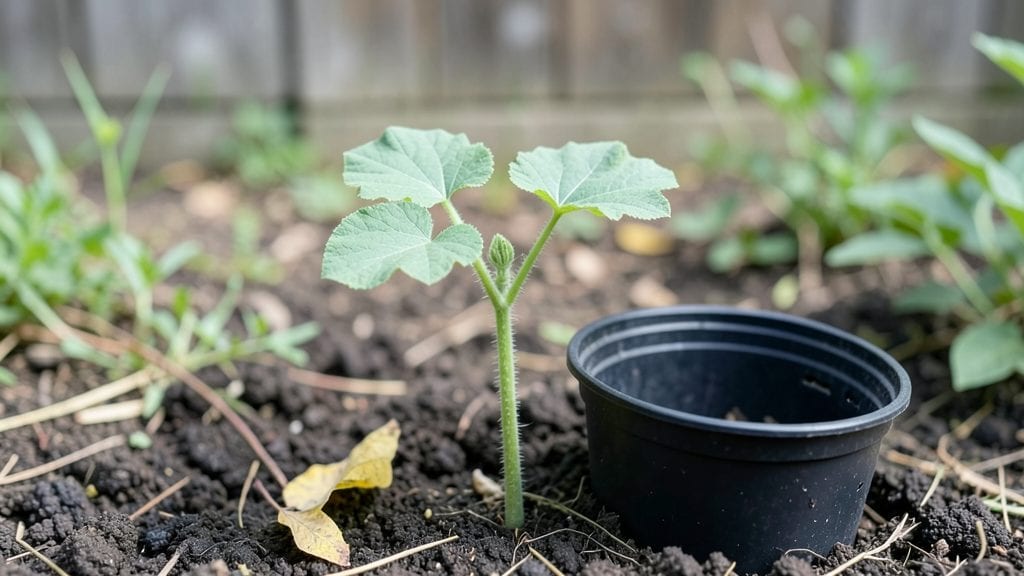
When cantaloupe seeds sprout, you're just days away from sweet, sun-ripened fruit—even if you're starting them on a kitchen counter. 🌱 I've watched those first tiny leaves unfurl after what felt like an eternity of patience, and trust me, the wait is worth it when you see that vibrant growth.
The key isn't some secret trick but getting the warmth, moisture, and light just right from day one.
You'll need a shallow container, some well-draining seed-starting mix, and a way to keep things consistently warm—think 75-85°F. Plant seeds about ½ inch deep, barely covering them, then mist the soil until damp (not soggy).
Most people overwater at this stage, and that's when problems start. A humidity dome or plastic wrap helps trap moisture while keeping seeds cozy until they pop.
Within 5-10 days, you'll see those first green shoots pushing through the soil. Once they have a couple of true leaves, they're ready to move to brighter light—though not direct sun yet.
The seedlings will grow fast once they get settled, and you'll be transplanting them outdoors (or into larger pots) within 3-4 weeks. That's when the real magic happens.
Here's the thing—cantaloupes love heat, so if your spring is still chilly, don't rush it. Wait until nighttime temps stay above 55°F before moving them outside. I've learned that hard way with frost-nipped seedlings, and I'd rather you avoid that frustration.
With the right start, you'll have vines sprawling and flowers blooming by summer.
📚 In This Guide
- What you need
- Instructions
- Tips and common mistakes
- Wrapping up and next steps
What you need
- ● Cantaloupe seeds: 5–10 fresh, organic seeds (save them from a ripe cantaloupe or buy sprouting seeds online).
- ● Sprouting jar or container: A clean, wide-mouth mason jar (16–32 oz) with a mesh lid or a small plastic basket with drainage holes.
- ● Cheesecloth or sprouting lid: A breathable cover (or a coffee filter secured with a rubber band) to keep seeds contained.
- ● Water: 1–2 cups of room-temperature, filtered water (chlorine can inhibit sprouting!).
- ○ Colander or strainer: For rinsing seeds (optional but helpful for easier handling).
- ● Dark, warm space: A pantry, cupboard, or seedling tray (ideally 70–75°F).
- ● Sprouting tray: For larger batches or transferring sprouts to light.
- ● Grow light or sunny windowsill: Once sprouts develop leaves (after 5–7 days), they’ll need 4–6 hours of indirect light.
- ● Organic potting soil: If you plan to transplant seedlings later (lightweight, seed-starting mix works best).
- ● Spray bottle: For gentle watering once sprouts are established.
Step-by-step instructions for growing cantaloupe from seeds indoors
Here’s how to coax those first sweet sprouts from cantaloupe seeds—no greenhouse needed.
🌱 Step 1: Soak and Plant Seeds for Faster Germination
Cantaloupe seeds have tough outer shells that slow sprouting. Drop 4 seeds into a bowl of lukewarm water and let them soak for 12 hours. You’ll see them plump up slightly—this softens the shell and speeds germination. After soaking, plant them ½ inch deep in a 4-inch pot filled with moist seed-starting mix.
Press the soil gently around the seeds to ensure good contact. Cantaloupe roots are sensitive to disturbances, so avoid digging once planted. Place the pot in a warm spot—75-85°F is ideal for germination. You’ll notice the first sprouts in 7-10 days, but don’t be surprised if it takes up to 14 days in cooler rooms.
💧 Step 2: Provide Warmth and Consistent Moisture
Keep the soil evenly moist but never soggy—cantaloupe seedlings rot quickly if overwatered. Mist the soil lightly with a spray bottle every 2-3 days until the top inch feels dry. A humidity dome helps retain moisture, but remove it once sprouts appear to prevent fungal issues.
Place the pot on a seedling heat mat if your home runs cooler than 70°F. Warm soil speeds germination and prevents weak, leggy seedlings. Watch for first true leaves (the second set after the initial seed leaves)—this confirms the roots have established. Once they appear, reduce bottom heat to avoid overstimulating growth.
☀️ Step 3: Move to Bright Light Immediately
Cantaloupe seedlings need 12+ hours of light daily to grow strong. A south-facing window works, but most homes lack enough intensity, so supplement with a grow light placed 4 inches above the plants. You’ll see leggy, pale stems if light is insufficient—adjust the light closer or extend daylight with a timer.
Rotate the pot a quarter turn daily so seedlings grow straight toward the light. Strong cantaloupe starts have thick stems and dark green leaves. If leaves yellow, they’re thirsty—water gently at the base. Avoid wetting foliage to prevent disease.
🪴 Step 4: Transplant When Seedlings Are 4-5 Inches Tall
Once seedlings reach 4-5 inches with 4-5 true leaves, transplant them into 5-gallon containers filled with well-draining potting mix. Cantaloupe vines spread fast, so give them space—bury the stem up to the first set of leaves to encourage root growth. Water deeply after transplanting to settle the soil.
Hardening off takes 7-10 days: start by placing seedlings outside for 1 hour daily, gradually increasing time. Watch for wilted or curled leaves—this means they’re not ready for full sun yet. Once they tolerate 6+ hours of sunlight without stress, they’re ready for the garden or a sunny patio.
Tips & tricks for growing cantaloupe from seeds indoors
Here's what I learned after growing cantaloupe indoors—these tricks will help you avoid common pitfalls and get stronger seedlings.
Soaking Secret: The 12-hour soak is non-negotiable for cantaloupe seeds. I've tried skipping it, and germination takes twice as long. Use lukewarm water—too hot will cook the seeds, too cold won't soften the shells. After soaking, pat them dry with a paper towel before planting to prevent rot. This small step makes all the difference in getting those first sprouts within 7-10 days.
Temperature Matters: That 75-85°F range isn't just a suggestion—it's critical. If your home runs cooler than 70°F, invest in a seedling heat mat. I learned this the hard way when my first batch took 21 days to sprout because my apartment stayed at 65°F. The warmth helps break down the seed coats faster and prevents leggy seedlings. Keep the pot away from drafts too!
Lighting Strategy: The 12+ hours of light requirement is strict—cantaloupe seedlings won't tolerate less. I use a simple LED grow light on a timer, but if you're using natural light, rotate your plants daily. I see people skip this rotation, and their seedlings grow crooked toward the window. That quarter turn each day keeps them growing straight and strong. Watch for pale stems—they're begging for more light!
Transplant Timing: Don't rush the 4-5 inch height requirement for transplanting. I've moved seedlings too early, and their delicate roots get damaged. When you see those 4-5 true leaves, that's your cue. Also, bury the stem up to the first leaves—this encourages stronger root growth. Water deeply after transplanting to help settle the soil around those new roots.
Pro Tips for Cantaloupe Seeds Sprout
- Here's what I learned after growing cantaloupe indoors—these tricks will help you avoid common pitfalls and get stronger seedlings.
- Soaking Secret: The 12-hour soak is non-negotiable for cantaloupe seeds.
- Temperature Matters: That 75-85°F range isn't just a suggestion—it's critical.
Frequently asked questions
Got questions about sprouting cantaloupe seeds? You’re not alone—growing fruit from kitchen scraps can feel like magic! Here are answers to the most common queries to help you succeed.
How long does it take for cantaloupe seeds to sprout?
Most cantaloupe seeds sprout within 5–14 days if kept in warm, moist conditions (70–85°F). Use a heat mat or sunny windowsill to speed things up. Patience is key—some seeds take longer, especially if stored improperly. Check daily for tiny green shoots!
Can I use cantaloupe seeds from store-bought fruit?
Yes! Rinse seeds thoroughly to remove pulp, then soak in water for 6–12 hours to soften their hard outer shell. Store-bought seeds may have lower germination rates than heirloom varieties, but they’re worth a try. For better odds, save seeds from organic or homegrown cantaloupes.
What if my seeds mold or smell bad?
Mold or foul odors mean your seeds are rotting—likely from overwatering or poor airflow. Discard affected seeds immediately. To prevent this:
- Use a well-draining tray (like a seedling kit).
- Keep moisture consistent but not soggy.
- Rinse seeds with hydrogen peroxide (1 tsp per cup of water) before sprouting.
Can I grow cantaloupe indoors year-round?
Cantaloupes thrive indoors with:
- A sunny spot (10+ hours of light daily—supplement with grow lights if needed).
- Warmth (65°F+ at night).
- Patience (they need 80–100 days to fruit).
What do I do once sprouts appear?
Once seedlings emerge (2–3 inches tall), transplant them to individual pots with well-draining soil. Keep soil moist but not waterlogged, and provide bright, indirect light. Thin weaker sprouts to give the strongest one room to grow. Pro tip: Fertilize lightly with diluted compost tea after 2 weeks!
Wrapping up and next steps
Growing cantaloupe seeds into thriving plants is a rewarding journey that brings fresh, homegrown fruit to your table—and maybe even a few extra blooms to brighten your space! 🌱 With just a little patience and care, you’ve unlocked the magic of propagation right from your kitchen.
Now, why not share your success? Snap a photo of your sprouts or harvest, tag us, and inspire others to try their hand at growing from seed. Happy gardening—your future cantaloupe patch is waiting! 🌞