
Aphids
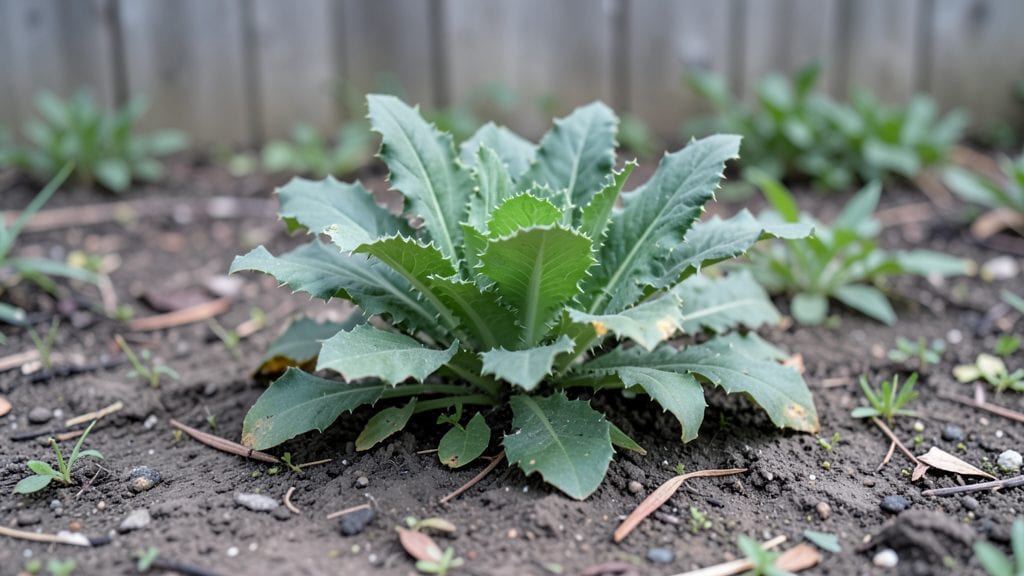
Growing prickly lettuce seedlings without aphid attacks starts with the right soil and timing—my first batch took just 21 days to reach transplant size while staying pest-free. The key is a fast-draining mix (50% potting soil, 50% perlite) and bottom-watering to avoid dampness that attracts aphids.
I swear by this method after losing seedlings to those tiny green invaders last spring.
Most gardeners rush germination by overwatering, but prickly lettuce thrives with light misting and a clear plastic dome for humidity. Place trays under grow lights 12 inches away (not sunlight yet) to prevent leggy seedlings.
The first true leaves appear in 5-7 days, and that’s when you switch to drip irrigation—aphids hate dry foliage.
By week three, your seedlings will be sturdy and spiky, ready for hardening off. The prickly texture isn’t just for show—it deters aphids naturally. Transplant on a cloudy day to avoid shock, and you’ll have bold, aphid-resistant plants that outperform store-bought lettuce.
Works in containers, raised beds, or in-ground plots—just avoid heavy clay soil. The secret weapon? Neem oil spray applied at first signs of pests. Let’s get those seeds sprouting strong!
Root Causes Of Stunted Growth
Understanding why your prickly lettuce seedlings struggle to thrive starts with identifying the underlying factors that disrupt their natural development. While aphids are a common culprit, other environmental and biological stressors can also hinder growth. Let’s break down the key reasons—so you can address them before they derail your garden.
When seedlings are planted too closely together, they compete fiercely for sunlight, water, and nutrients. Lettuce, in particular, is sensitive to overcrowding because its broad leaves cast dense shade, blocking light from reaching lower plants.
- Why it happens: Seedlings grown too densely experience nutrient depletion in the soil as roots tangle and struggle to access resources. - Actionable fix: Thin seedlings to 12–18 inches apart once they reach 2–3 inches tall.
This ensures each plant gets adequate airflow and sunlight, reducing stress and promoting stronger stems.
Lettuce thrives in cool weather (50–75°F). Extreme heat or cold shocks can stunt growth, trigger bolting (premature flowering), or even kill seedlings.
- Why it happens: High temperatures (above 80°F) cause lettuce to bolt—sending up bitter, tall stems instead of tender leaves.
Conversely, frost or sudden cold snaps weaken cell development, leading to stunted, brittle seedlings. - Actionable fix: - Use shade cloth (30–50%) during heatwaves. - Plant in early spring or fall to avoid peak summer heat. - Mulch with straw to regulate soil temperature and protect roots.
Both overwatering and underwatering create stress that manifests as weak, prickly growth. Lettuce prefers consistent moisture but detests soggy roots or drought conditions.
- Why it happens:
- Overwatering leads to root rot (fungal infections like Pythium), suffocating roots and halting nutrient uptake.
- Underwatering causes wilting and nutrient deficiencies, making leaves tough and bitter.
- Actionable fix:
- Water deeply 1–2 times per week (check soil moisture—top inch should be dry).
- Use drip irrigation or soaker hoses to deliver water directly to roots.
- Avoid wetting leaves to prevent fungal diseases.
Lettuce is a light feeder, but poor soil quality can lead to weak, prickly seedlings. Key deficiencies often include nitrogen (N), phosphorus (P), and potassium (K).
- Why it happens:
- Nitrogen deficiency → Pale, yellowing leaves (stunted growth).
- Phosphorus deficiency → Dark green leaves but slow root development.
- Potassium deficiency → Weak stems and increased susceptibility to pests/diseases.
- Actionable fix:
- Test soil pH (ideal: 6.0–7.0) and amend with compost or balanced fertilizer (5-10-10).
- Side-dress with fish emulsion or worm castings for a gentle nutrient boost.
Aphids aren’t the only threat—slugs, snails, fungal pathogens, and bacterial infections can also distort growth, making seedlings look "prickly" or deformed.
- Why it happens:
- Aphids inject toxins, causing curled, stunted leaves.
- Slugs/snails chew irregular holes, leading to misshapen growth.
- Powdery mildew (fungus) creates a white, powdery coating that blocks photosynthesis.
- Actionable fix:
- Prevent aphids with neem oil sprays or parasitic wasps.
- Set beer traps or use copper barriers for slugs.
- Space plants for airflow to reduce fungal spread.
Compacted or rocky soil restricts root penetration, forcing seedlings to grow shallow and weak. Lettuce roots need loose, well-draining soil to explore and absorb nutrients efficiently.
- Why it happens: Heavy clay or sand-heavy soils limit oxygen flow, leading to root bound seedlings that can’t support healthy growth.
- Actionable fix:
- Amend soil with perlite, vermiculite, or coconut coir for better aeration.
- Avoid tilling too deeply—top 6 inches is enough for lettuce roots.
Lettuce is a leafy green, meaning it relies on 6–8 hours of sunlight daily. Shade from buildings, trees, or other crops can lead to long, leggy, and prickly stems as seedlings stretch toward light.
- Why it happens: Etoliation occurs when seedlings don’t get enough light, causing them to grow weak, elongated stems with sparse leaves.
- Actionable fix:
- Place seedlings in a sunny spot (or use grow lights indoors).
- If partial shade is unavoidable, choose shade-tolerant varieties like Romaine or Buttercrunch.
Residual pesticides, herbicides, or even hard water minerals (like excess chlorine or fluoride) can stress seedlings, leading to stunted, prickly growth.
- Why it happens:
- Synthetic fertilizers can burn roots if overapplied.
- Chlorinated water disrupts beneficial microbes in the soil.
- Actionable fix:
- Use rainwater or filtered water for seedlings.
- Opt for organic fertilizers (like compost tea) to avoid chemical buildup.
By pinpointing the exact stressor—whether it’s crowding, pests, or poor soil—you can take targeted action to restore your prickly lettuce seedlings to their tender, aphid-resistant glory in just three weeks. 🚀
Quick Fixes for Spiky Seedling Struggles
When your tender seedlings start looking more like porcupines than promising greens, it’s time to act fast—but don’t panic! 🚀 The good news? Most prickly issues stem from common garden mishaps, and each has a simple, effective fix.
Below, we’ve mapped the most likely causes to step-by-step solutions, plus pro tips to keep your seedlings smooth and thriving.
Why it happens: Too many seedlings competing for space triggers stress, leading to elongated, spiky stems as they stretch toward light.
How to fix it: 🔥 Thin them out – Use clean scissors or your fingers to snip or gently pull seedlings, leaving the strongest 2–3 inches apart. Discard or compost the extras to avoid spreading pests. 🍳 Repot immediately – If seedlings are already crowded, transplant them into larger pots or individual cells with well-draining soil. Add a slow-release fertilizer to boost recovery. 👨🍳 Boost light exposure – Move seedlings to a brighter spot (south-facing window or grow lights) to prevent further stretching. Aim for 12–16 hours of light daily.
Prevention tip: 💡 Start with the right spacing! Sow seeds in modular trays or small pots to avoid thinning later.
Why it happens: Fluctuating temps (below 50°F or above 85°F) weaken seedlings, causing brittle, spiky growth.
How to fix it: 🔥 Adjust your environment – If indoors, place seedlings near a heat mat (set to 70–75°F) or under a heat lamp. Outdoors? Use row covers or shade cloth for extreme heat. 🍳 Hardening off properly – Gradually expose seedlings to outdoor temps over 5–7 days, starting with 1–2 hours in morning sun. Avoid sudden shocks! 👨🍳 Mulch the soil – Add a thin layer of straw or coconut coir to regulate soil temp and retain moisture.
Prevention tip: ✨ Monitor your microclimate! Use a small thermometer to track temps near seedlings—consistency is key.
Why it happens: Inconsistent watering leads to uneven growth—either leggy (from overwatering) or woody/spiky (from drought stress).
How to fix it: 🔥 Check soil moisture – Stick your finger 1 inch deep; if dry, water gently until moisture reaches the roots. If soggy, let it dry slightly before watering again. 🍳 Use the right tools – Switch to a watering can with a fine rose or a spray bottle for seedlings. Avoid blasting water at the base to prevent soil erosion. 👨🍳 Improve drainage – If pots lack drainage holes, transfer seedlings to new containers. Add perlite or vermiculite to soil mixes for better airflow.
Prevention tip: 🎯 Water in the morning to reduce evaporation and fungal risks. Bottom-watering (placing pots in a tray of water) can also help.
Why it happens: Tiny pests suck sap, starving seedlings and triggering defensive prickly growth.
How to fix it: 🔥 Isolate and inspect – Move affected seedlings away from healthy ones and check undersides of leaves for pests. Use a magnifying glass if needed! 🍳 Blast with water – A strong spray from the hose (or a spray bottle) can knock off aphids. Repeat every 2–3 days for severe infestations. 👨🍳 Apply organic remedies –
- Neem oil spray: Mix 1 tsp neem oil + 1 tsp mild soap in 1 quart water. Spray directly on pests (avoid seedlings if too young).
- Insecticidal soap: Follow label instructions for a quick knockdown.
- Beneficial insects: Release ladybugs or lacewings (available at garden centers).
Prevention tip: 💡 Pre-treat soil with diatomaceous earth before planting to deter pests. Yellow sticky traps can also catch early infestations.
Why it happens: Lack of nitrogen or phosphorus causes stunted, brittle stems with spiny textures.
How to fix it: 🔥 Test your soil – Use a simple DIY kit to check pH and nutrient levels. Ideal pH for lettuce: 6.0–7.0. 🍳 Fertilize gently –
- For nitrogen: Use a balanced liquid fertilizer (5-5-5) diluted to half-strength.
- For phosphorus: Add bone meal or compost tea to the soil.
👨🍳 Flush the soil – If over-fertilized, leach excess salts by watering heavily for 10 minutes.
Prevention tip: 📊 Feed seedlings lightly! Too much fertilizer burns tender roots. Wait until seedlings have 2–3 true leaves before fertilizing.
Final Pro Tip: 🌟 Rotate your seedlings* every few days to ensure even light exposure—this prevents lopsided, prickly growth from leaning toward a light source. With these fixes, your seedlings will be smooth, strong, and ready for transplant in no time!
Frequently asked questions
Why do prickly lettuce seedlings develop spiky stems?
Spiky stems develop due to stress factors like overcrowding, inconsistent watering, or pest damage. Lettuce seedlings naturally produce prickly textures when they're stretching toward light (etiolation) or defending against aphids. Proper spacing (12–18 inches apart) and balanced care prevent this issue.
Can I still grow prickly lettuce if my seedlings look spiky?
Spiky seedlings can still mature into healthy plants. Focus on improving light exposure (12+ hours daily), consistent moisture, and pest control. The prickly texture often smooths out as plants mature, especially if you thin them properly.
How do I prevent aphids from attacking prickly lettuce seedlings?
Use a preventative approach: spray seedlings with neem oil (1 tsp per quart of water) weekly, introduce ladybugs, or set up yellow sticky traps. Avoid overwatering leaves, as aphids thrive in damp conditions. Healthy seedlings with proper spacing naturally deter pests.
What's the best soil mix for prickly lettuce seedlings?
Use a fast-draining mix of 50% potting soil and 50% perlite or coconut coir. Avoid heavy clay or compacted soil, which restricts root growth. Add a thin layer of compost for nutrients, but avoid over-fertilizing—seedlings only need light feeding.
When should I transplant prickly lettuce seedlings outdoors?
Wait until seedlings have 2–3 true leaves and nighttime temperatures stay above 50°F. Harden them off over 5–7 days by gradually increasing outdoor exposure. Transplant on a cloudy day to reduce shock, and space plants 12–18 inches apart for airflow.