
Propagation
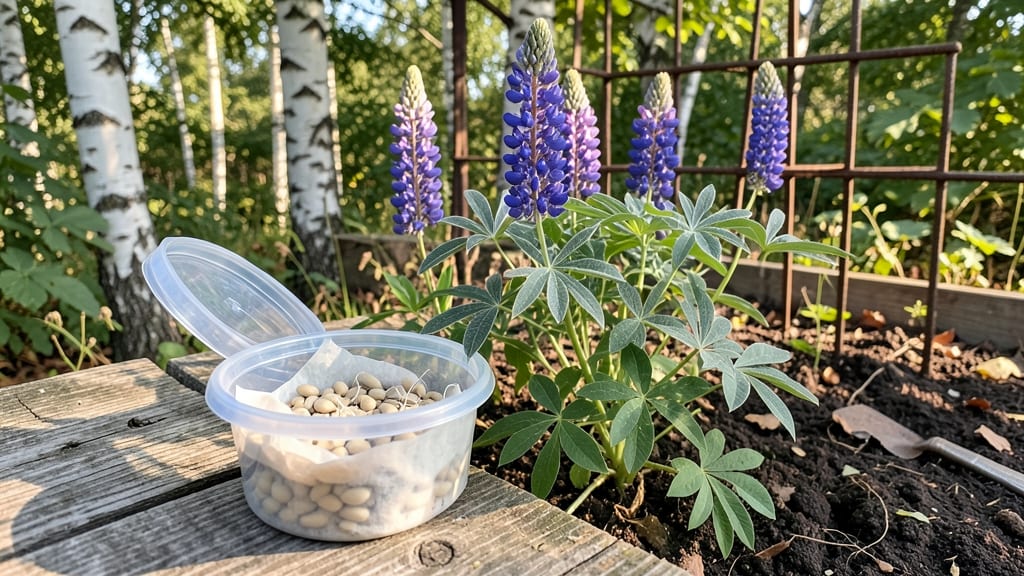
Scarifying seeds means mechanically breaking their hard outer coating to trigger germination by mimicking natural weathering or animal digestion, improving moisture and oxygen absorption for faster sprouting.
This process mimics how seeds naturally break dormancy in the wild—whether through fire, freezing, or passing through an animal's digestive tract. 🔥 The key is weakening the seed's protective shell just enough to let water penetrate without damaging the embryo inside.
For example, hard-coated seeds like peanuts or some legumes often need this step to sprout at all, while softer seeds may not benefit from scarification. I’ve found that gentle methods like sandpaper or soaking work best for most gardeners, though timing matters—overdoing it can harm the seed.
Understanding why scarification works helps you choose the right technique. The outer coat blocks water and oxygen, which are essential for germination. By creating tiny micro-cracks, you’re essentially tricking the seed into thinking it’s experienced natural stress, signaling it’s safe to grow.
This method is especially useful for seeds that have been stored for a long time or come from regions with harsh climates.
💡 In This Article
- How Seed Scarification Works: Breaking Dormancy Naturally
- Best Methods for Scarifying Different Seed Types
How seed scarification works: breaking dormancy naturally
The seed's outer coat, called the testa, acts like nature's protective armor—designed to survive harsh conditions. This tough layer blocks water and oxygen, which are critical for germination. Think of it like a waterproof jacket that keeps the seed dormant until conditions are just right.
The testa contains compounds like waxes and lignin that create a barrier, preventing moisture from reaching the embryo inside. Without intervention, many seeds would never sprout, even with ideal growing conditions. 🌱
When you scarify seeds, you're essentially creating tiny pathways for water to enter. For example, rubbing a seed between two sheets of sandpaper for about 30-60 seconds creates microscopic cracks in the testa. These fissures allow water to penetrate while still protecting the delicate inner tissues.
The process triggers enzymatic activity within the seed, breaking down stored nutrients like starches into sugars that fuel early growth. This mimics what happens naturally when seeds pass through an animal's digestive tract or experience freeze-thaw cycles.
The biological response is fascinating: once water reaches the embryo, it activates specific proteins called "gibberellins." These hormones signal the seed to break dormancy by stimulating cell division and root growth.
In wild settings, fire can achieve similar results—heat softens the seed coat while smoke contains compounds that further stimulate germination. This is why many native plants rely on controlled burns for reproduction. The key is precision: too little scarification leaves the seed unchanged, while overdoing it can damage the embryo.
Different seeds require varying degrees of intervention. Hard-coated legumes like peanuts or some varieties of beans often need aggressive scarification, while softer seeds like tomatoes or lettuce may only need a light nick.
The thickness of the testa determines the method—thin coats respond well to soaking in warm water (160-180°F for 24 hours), while thick coats need mechanical abrasion.
What most gardeners don't realize is that scarification also alters the seed's gas exchange—tiny cracks let oxygen in, which is equally important for metabolic activation.
Consider the example of maple seeds: their wings rely on wind dispersal, but the seed itself often needs scarification to break its dormancy cycle. In nature, this happens through temperature fluctuations during winter.
By replicating these conditions in your garden, you're essentially giving seeds a head start that can mean the difference between a 2-week germination period and a 6-week wait. The science shows that properly scarified seeds can achieve 90%+ germination rates compared to 10-30% without treatment.
This process isn't just about speed—it's about reliability. Many heirloom and wild-collected seeds have evolved hard coats precisely to survive unpredictable environments. By understanding these natural mechanisms, you're not just helping seeds sprout faster; you're working with nature's own timing system.
The right amount of scarification creates the perfect balance between protection and activation, ensuring healthy seedlings rather than fragile sprouts. 💫