Lawn
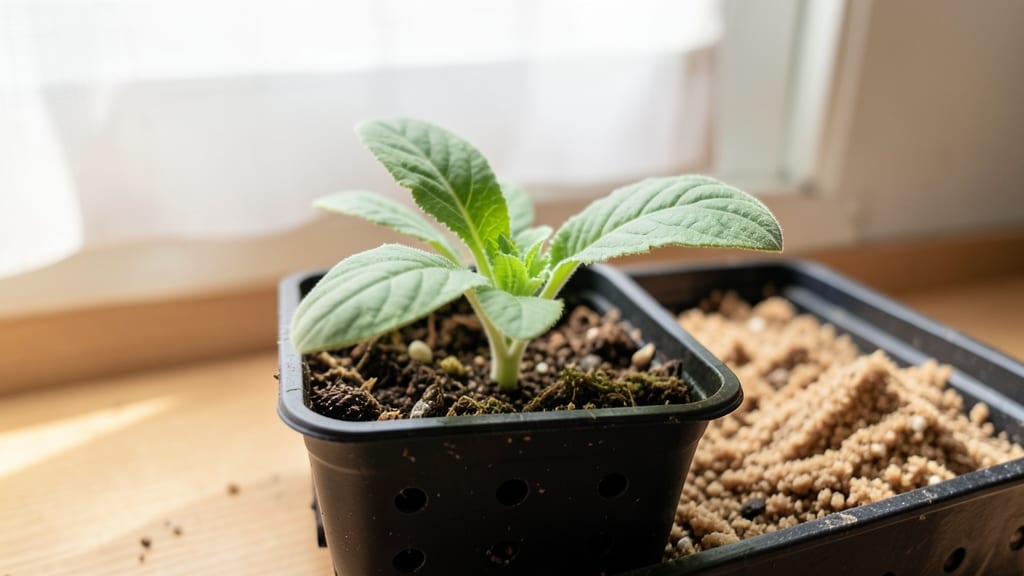
This process isn't just about dropping seeds in dirt—it's a science of timing and conditions. 🌱 Proper seed planting ensures roots establish before seedlings face stress from heat, drought, or competition.
I've seen firsthand how even small adjustments in soil prep or watering schedules can mean the difference between patchy lawns and lush, uniform coverage. The right technique also minimizes erosion and weed intrusion during those vulnerable early weeks.
For lawns specifically, this means choosing seeds matched to your climate zone and soil type, while avoiding overcrowding that leads to stunted growth.
Think of it as setting up your grass for success from day one—because once those seeds sprout, they're racing against time to develop strong root systems before they can support themselves.
💡 In This Article
- Key Factors in Seed Germination Success
- Best Practices for Lawn Seed Planting Techniques
Key factors in seed germination success
Seed germination kicks off when a seed absorbs water, swells, and activates enzymes that break down stored nutrients. This process is highly sensitive to temperature—most cool-season grasses like Kentucky bluegrass need soil temps between 50-65°F, while warm-season grasses such as Bermuda thrive at 75-95°F.
The right temperature range ensures enzymes work efficiently, converting starches into sugars that fuel root growth. Too cold slows metabolism, while excessive heat can denature enzymes and kill the embryo.
Moisture is equally critical—seeds need consistent dampness (not soggy soil) to trigger hydration and cell expansion. The ideal moisture level maintains 50-70% soil water content by weight, which keeps the seed bed uniformly moist without suffocating roots.
Think of it like a sponge: seeds need enough water to drink but not so much they drown. Oxygen access is often overlooked, yet proper aeration (especially in compacted soils) prevents anaerobic conditions that produce toxic ethanol for developing roots.
Soil composition plays a surprising role too. Loamy soils with 20-30% organic matter provide the perfect balance of nutrients, water retention, and drainage. Sandy soils drain too quickly, while clay holds moisture but suffocates roots.
The ideal pH range for most lawn grasses is 6.0-7.0, where nutrient availability peaks. For example, a 6.5 pH soil ensures phosphorus (critical for root development) remains soluble and accessible to seedlings.
Light exposure matters in the early stages too. Many grass seeds germinate best in partial light, as full sunlight can dry out the soil surface too quickly. This is why overseeding in spring often succeeds better than summer planting—cooler temps and morning shade from existing grass create gentler conditions.
The first 7-14 days after planting are most critical, as seedlings establish their initial root systems before developing leaves for photosynthesis.
What most people don't realize is how these factors interact. For instance, warm soil speeds germination but increases water evaporation—requiring more frequent light watering. Meanwhile, cool soils slow growth but conserve moisture. The key is matching your planting timing to local climate patterns.
In my experience, early fall often provides the perfect balance of 60°F soil temps, moderate rainfall, and reduced weed competition for cool-season grasses.
Consider this real-world example: When planting tall fescue in late summer, I've found that covering seeds with just ¼-inch of soil creates the ideal compromise—enough darkness to prevent premature drying while allowing roots to penetrate quickly.
The first true leaves typically appear in 10-21 days, but root systems may take 3-4 weeks to establish before the plant can support itself through photosynthesis.
Understanding these factors transforms seed planting from guesswork to precision agriculture. The right conditions don't just improve germination rates—they create stronger seedlings that resist disease and drought. 🌱