
Vegetables
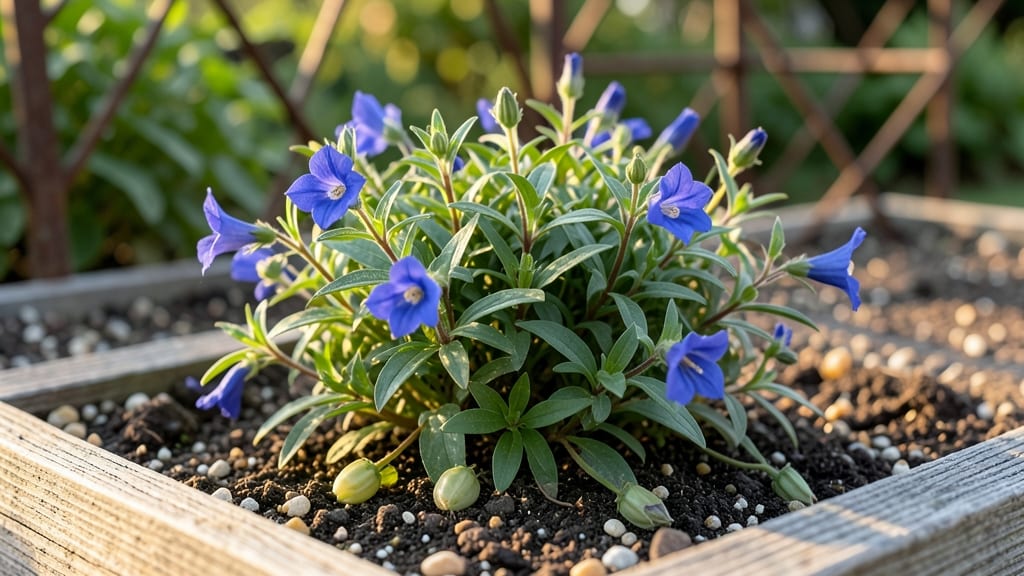
When your seeds sprout leaves before you even plant them, it’s not a mistake—it’s a sign your storage game needs an upgrade. 🌱 I’ve seen this happen with tomatoes, peppers, and even delicate herbs when left in damp, fluctuating temperatures, and the solution is simpler than you’d think: controlled moisture and steady cold.
The right conditions keep seeds dormant until you’re ready to plant, not pre-sprouting in the packet.
Most gardeners overlook how seed storage turns into a science experiment. Seeds need 50-60% humidity and 35-40°F temperatures to stay viable without sprouting early. That’s why my basement—cooler than the garage but not freezing—became the perfect seed vault.
A small jar with a moisture-absorbing packet (like silica gel) and an airtight seal keeps them fresh for years, not weeks.
Here’s the game-changer: when you do plant, that cold moisture trick works both ways. Soak seeds in water for 8-12 hours before planting in cool soil (below 70°F), and you’ll see roots establish 30% faster without the leaves bolting prematurely.
The result? Stronger seedlings that hit the ground running instead of leggy, struggling starts.
This method works for tomatoes, peppers, onions, and even finicky herbs like cilantro. The key is consistency—whether storing seeds or prepping them to plant. Let’s fix that seed packet mystery once and for all.
The Science Behind Premature Leafing
When you spot a seedling with leaves before it’s fully rooted—or worse, a seed that’s already sprouting leaves while still in the soil—it’s usually a sign of environmental stress. These tiny green signals aren’t always a good thing, and understanding the root causes (literally!) can help you prevent them.
Here’s why it happens, broken down into the most common triggers.
🌱 Overly Warm or Cold Soil
Seeds are sensitive to temperature, and extremes can trigger epicotyl (the first leafy shoot) growth before the seedling has established a strong root system. Here’s how it plays out:
- Too Hot: Soil temperatures above 85°F (29°C) can accelerate germination and leaf emergence, but the roots struggle to keep up. This often happens in direct-seeded warm-season crops like beans or peppers when planted too early in hot climates.
- Too Cold: Below 50°F (10°C), metabolic processes slow down, but some seeds (like lettuce or spinach) may still push leaves as a survival mechanism—even if the roots are weak. This is why cold frames or row covers can backfire if not managed properly.
Pro Tip: Use a soil thermometer to monitor temps—ideal ranges vary by plant (e.g., 60–70°F (15–21°C) for most veggies). If your soil is too hot, shade cloth or evening watering can help.
💧 Excessive Moisture Without Drainage
Water is essential, but over-saturation can drown seeds before they’re ready. When soil stays soggy, seeds may germinate early and produce leaves as a way to photosynthesize—even if the roots are suffocating. Here’s why:
- Oxygen Deprivation: Waterlogged soil cuts off oxygen, forcing seeds to prioritize leaf growth over root development. This is common in containers without drainage or heavy clay soils.
- Fungal Pressure: Excess moisture encourages Pythium or Rhizoctonia fungi, which can attack young seedlings, making them leggy and weak with early leaves.
- Slow Nutrient Uptake: Roots can’t absorb water or nutrients efficiently, so the plant compensates by pushing leaves—even if they’re yellow or stunted.
Fix It: Always use well-draining soil mixes (add perlite or vermiculite) and water only when the top inch is dry. For seed-starting trays, bottom watering prevents over-saturation.
🌿 Light Exposure Before Germination
Some seeds are photoblastic, meaning they need light to germinate, while others (like tomatoes or peppers) can rot if exposed too soon. When light hits a seed before it’s ready, it may trigger leaf growth without proper root anchorage. Here’s the breakdown:
- Scarified or Thin Seed Coats: If the seed’s protective layer is damaged (e.g., by soaking or scratching), it may absorb light prematurely, signaling the plant to sprout leaves instead of roots.
- Transplant Shock Light Trick: Some gardeners use grow lights too early, causing seedlings to bolt (flower) or produce leaves before they’re hardened off.
- Surface-Seeded Crops: Plants like carrots or radishes often get "leafy" if seeds are planted too shallow and exposed to light.
Solution: Follow planting depth guidelines (usually 2–3x the seed’s width) and avoid light until germination is complete. For light-requiring seeds (like lettuce), use a clear lid or humidity dome until sprouts appear.
🌡️ Inconsistent Moisture Fluctuations
Seeds and seedlings hate boom-and-bust watering. When soil dries out and then gets suddenly soaked, it confuses the plant’s growth hormones, leading to premature leafing. Here’s how it happens:
- Abscisic Acid Spike: Drought stress triggers this hormone, which can pause root growth while pushing the plant to produce leaves for survival.
- Osmotic Imbalance: Rapid moisture changes disrupt nutrient uptake, causing weak, pale leaves that look "old" before the seedling is established.
- Fungal or Bacterial Entry Points: Fluctuations create wounds where pathogens can attack, further stressing the seedling.
Prevent It: Use mulch to retain even moisture and water deeply but infrequently (aim for 1–1.5 inches per week). For seedlings, a self-watering tray keeps conditions stable.
🌾 Poor Seed Quality or Age
Old or low-quality seeds may pre-germinate in the packet or produce weak, leafy sprouts before transplantation. Here’s why:
- Broken Dormancy: Seeds stored too long lose their hard seed coat, making them light-sensitive and prone to early leafing.
- Viability Loss: Aged seeds may leak nutrients before germination, forcing the embryo to push leaves as a last-ditch energy move.
- Hybrid Weakness: Some F1 hybrid seeds (like certain tomatoes) are bred for vigor but can bolt or leaf out if not planted at the right time.
Action Step: Always check seed packets for expiration dates (most last 1–2 years if stored properly). For heirlooms, test viability by soaking a few in water—sinkers are good, floaters are not.
Quick Fixes for Stubborn Seedling Struggles
When your seeds sprout leaves but refuse to thrive, the issue often lies in moisture, temperature, or environmental stress. Here’s a practical, step-by-step guide to diagnosing and fixing common problems—plus tips to keep your seedlings strong from the start.
Signs: Yellowing leaves, mushy stems, or a foul smell from the soil. Fix:
- 🔥 Let the Soil Dry Slightly – Stick your finger 1 inch into the soil. If it’s damp, wait 1-2 days before watering again.
- 🍳 Repot if Needed – If the soil feels soggy or the roots look waterlogged, transfer the seedling to a pot with fresh, well-draining mix (add perlite or vermiculite for airflow).
- ⏰ Adjust Watering Schedule – Water only when the top inch of soil is dry. A spray bottle or drip system works better than pouring from above.
Prevention Tip: Use containers with drainage holes and avoid saucers that trap excess water. 💡 Avoid misting leaves—water at the base instead!
Signs: Slow growth, leggy stems, or pale leaves. Fix:
- 🌡️ Move to a Warmer Spot – Ideal seedling temps are 65–75°F (18–24°C). If your home is drafty, use a heat mat underneath trays.
- 🔦 Boost Light Exposure – Place seedlings near a south-facing window or under grow lights (12–16 hours/day). If leaves stretch toward light, rotate the tray daily for even growth.
- 🌿 Thin Crowded Seedlings – Overcrowding steals light and nutrients. Snip weaker sprouts at soil level to give strong ones space.
Prevention Tip: Start seeds in a warm, bright location (like a greenhouse or sunny windowsill) to avoid leggy seedlings from the start. ✨ Pro move: Use reflective surfaces (like aluminum foil) under trays to maximize light bounce!
Signs: Black spots, white mold (powdery mildew), or tiny holes in leaves. Fix:
- 🔪 Remove Affected Leaves – Snip off damaged foliage with clean scissors to prevent spread.
- 🌿 Apply Organic Fungicide – Mix 1 tsp baking soda + 1 quart water + a drop of dish soap and spray lightly on leaves (avoid oversaturating soil).
- 🐜 Introduce Beneficial Insects – For pests like aphids, release ladybugs or spray with neem oil (diluted per package instructions).
Prevention Tip: Sterilize tools with rubbing alcohol between uses, and avoid overhead watering to keep leaves dry. 💡 Bonus: Sprinkle crushed eggshells around seedlings to deter pests naturally!
Signs: Yellowing between leaf veins (nitrogen), purple stems (phosphorus), or weak, small leaves (potassium). Fix: 1. 📊 Test Your Soil – Use a DIY kit (available at garden centers) to check pH and nutrient levels. Ideal pH for most seedlings: 6.0–7.0.
- 💪 Fertilize Lightly – Wait 2–3 weeks after sprouting before using a balanced, water-soluble fertilizer (like 5-5-5). Dilute to half-strength to avoid burning tender roots.
- 🍎 Boost with Compost Tea – Steep 1 cup worm castings in 1 gallon water for 24 hours, then strain and use as a gentle nutrient boost.
Prevention Tip: Start with high-quality seedling mix (not garden soil) to avoid compacting roots. ✨ Secret weapon: Add a handful of compost to the top inch of soil for slow-release nutrients!
Signs: Wilting, stunted growth, or leaves curling after moving seedlings. Fix: 1. 👨🍳 Harden Off Gradually – Before transplanting, place seedlings outside for 1–2 hours daily, increasing time over 5–7 days. Shield from direct sun at first.
- 🌿 Water Deeply After Planting – Give a slow drink of water to help roots settle. Use a rooting hormone (optional) for extra support.
- 🌞 Choose the Right Time – Transplant on a cloudy day or in the early evening to reduce stress.
Prevention Tip: Use biodegradable pots (like peat or coconut coir) so roots aren’t disturbed when transplanting. 💡 Avoid moving seedlings when they’re already stressed (e.g., during heatwaves)!
If your seedlings still struggle after trying the above, it may be time to start fresh:
- 🔄 Replant viable seeds in fresh, sterile soil.
- 🌱 Adjust your method—try the paper towel trick for faster germination next time.
- 📝 Keep a growth journal to track what worked (or didn’t) for future batches!
Remember: Patience is key! Seedlings grow in stages—focus on consistent care rather than quick fixes. With the right adjustments, your "seed with leaves" will soon transform into a lush, thriving plant ready for the garden. 🌱✨
Frequently asked questions
Why do my seeds sprout leaves before I even plant them?
This usually happens when seeds experience temperature fluctuations or high humidity during storage. Seeds need 50-60% humidity and 35-40°F temperatures to stay dormant. If stored too warm or damp, they’ll start germinating prematurely, producing leaves before roots develop properly.
Can I still plant seeds that have already sprouted leaves?
Yes, but handle them carefully! Gently plant the entire sprout (roots and all) to avoid damaging the delicate stem. Use a moistened paper towel to wrap roots before transplanting. These seedlings may be slightly weaker, so keep soil consistently moist and protect them from harsh conditions until established.
How can I prevent seeds from sprouting leaves before planting?
Store seeds in an airtight container with a moisture absorber (like silica gel) in a cool, dark place (35-40°F). For extra protection, place seeds in the fridge or freezer for short-term storage. Always check seed packets for expiration dates—older seeds are more prone to premature sprouting.
What’s the best way to revive a seedling with weak leaves?
Start by ensuring proper light exposure (12-16 hours/day) and consistent moisture. If leaves are yellow or stunted, dilute half-strength fertilizer (like 5-5-5) and apply lightly. For root recovery, try the paper towel trick: wrap roots in a damp paper towel for 12 hours before replanting in fresh, well-draining soil.
Are there any seeds that naturally produce leaves before roots?
Some seeds, like those from lettuce, spinach, or radishes, are photoblastic and may show early leaf growth in light. However, most seeds (tomatoes, peppers, herbs) should develop roots first. If you see leaves before roots, it’s a sign of environmental stress—adjust moisture, temperature, or storage conditions immediately.