Picking
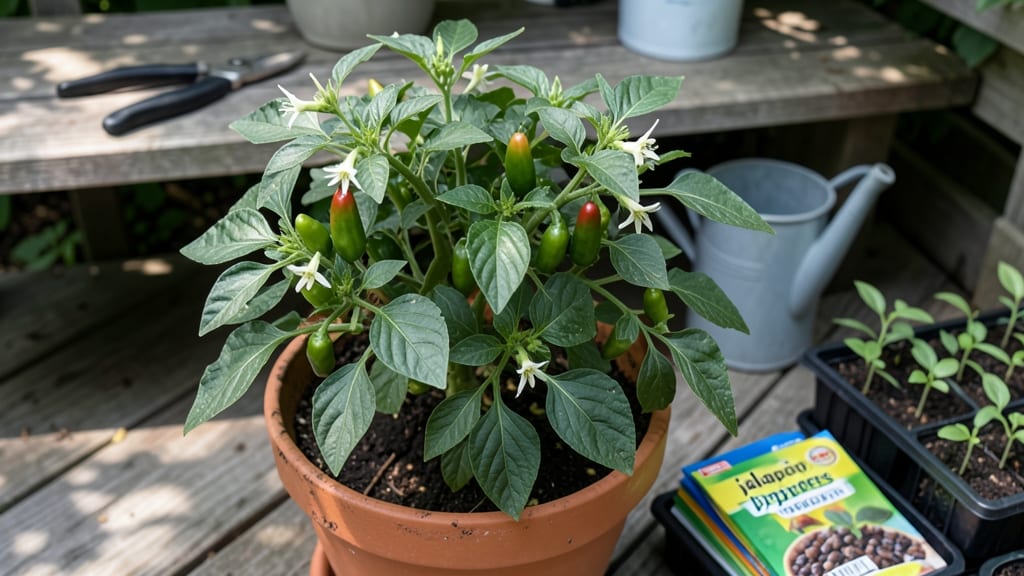
Seeding jalapeño peppers gives you fiery flavors your local nursery can’t match—if you nail the timing and technique. 🌱 I’ve learned that the difference between weak seedlings and robust plants starts with the seedbed, not just the seeds themselves.
Too much moisture? Damping off. Too little? Stunted growth. Get this right, and you’ll have plants ready for transplanting in just 8-10 weeks with thick stems and vibrant leaves.
The key is a warm, sterile mix that mimics jalapeños’ native conditions—think 75-85°F soil temperatures and a balance of organic matter to hold moisture without suffocating roots. Most beginners overcomplicate it with fancy setups, but you only need a shallow tray, seed-starting mix, and patience.
I’ve even used repurposed takeout containers with success, as long as they drain well. The goal is consistency: keep the soil damp (not soggy) and place your tray where it gets 12-16 hours of light daily.
What you’ll end up with is a batch of seedlings that outperform store-bought transplants—thicker stems, more compact growth, and a head start on fruiting. The first true leaves appear within 10-14 days, and by week 6, you’ll be hardening them off for outdoor planting.
These aren’t just peppers; they’re the foundation of a productive garden that delivers heat all season long.
This method works whether you’re starting indoors in March or direct-sowing in a warm climate’s spring. The principles stay the same—just adjust your timing to avoid frost. Here’s how to make it foolproof, even if you’ve struggled with seedlings before.
📚 In This Guide
- What you need
- Instructions
- Tips and common mistakes
- Wrapping up and next steps
What you need
- ● Jalapeño seeds – 5–10 seeds (or more if experimenting with varieties). Opt for fresh, high-quality seeds from a trusted supplier (e.g., Bonnie Plants, Seed Savers Exchange, or organic seed banks).
- ● Biodegradable seed-starting pots – 4–6 pots (2–3 inches deep) or a seed-starting tray with individual cells. Avoid plastic if you plan to transplant seedlings directly into pots.
- ● High-quality seed-starting mix – 1–2 bags (sterilized, peat-free mix like FoxFarm Ocean Forest or Black Gold Natural & Organic). Avoid garden soil—it’s too dense and may harbor pathogens.
- ● Grow lights or sunny windowsill – A full-spectrum LED grow light (12–16 hours/day) or a south-facing window with at least 6–8 hours of direct sunlight.
- ● Misting bottle or spray nozzle – For gentle watering to keep seeds moist without disturbing them.
- ○ Clear plastic dome or plastic wrap – To create a humidity tent (optional but highly recommended for germination).
- ○ Heat mat (optional but ideal) – A seedling heat mat (70–80°F range) speeds up germination, especially in cooler climates.
- ○ Fine-mesh tweezers – For delicate seed placement (optional but helpful for precision).
- ● Small hand trowel – For transplanting seedlings later.
- ● pH testing kit – To ensure your soil mix is slightly acidic (6.0–6.8 pH), ideal for pepper seedlings.
- ● Fertilizer (balanced or organic) – A low-dose liquid fertilizer (e.g., Fish Emulsion 2-4-2 or Miracle-Gro All Purpose) for post-germination growth. Wait until seedlings have 2–3 true leaves before fertilizing!
- ● Labels & markers – To track seed varieties and planting dates.
- ○ Thermometer/hygrometer (optional) – To monitor temperature (ideal germination range: 75–85°F) and humidity.
- ● Patience – Jalapeño seeds can take 7–21 days to germinate, depending on conditions.
- ● Consistency – Maintain even moisture and stable warmth for best results.
- ● Space planning – Jalapeños need 18–24 inches of space per plant at maturity. Ensure your garden or containers can accommodate them!
Step-by-Step instructions for seeding jalapeno peppers
Here's the foolproof method I've used to grow bold, disease-resistant jalapeno plants every season.
🌱 Step 1: Prepare Containers and Seed Starting Mix
Fill your 2-3 inch deep containers with a sterile seed-starting mix—never garden soil, which compacts and invites rot. I press the mix down lightly until it's firm enough to hold a seed in place but still loose enough for roots to penetrate. The surface should feel slightly damp, like a wrung-out sponge. Tap the container gently on the table to eliminate air pockets.
Jalapenos hate soggy roots, so add a handful of perlite to each container for drainage. This prevents the classic "damping-off" that turns healthy seedlings to mush overnight. Label each container with the variety and date—after a week, identical sprouts look identical until you forget which is which.
🌱 Step 2: Sow Seeds at the Perfect Depth
Plant 2-3 seeds per container at a depth of ¼ inch—any deeper and they'll struggle to reach light. I use my finger to make a small dimple, drop in the seeds, then cover with a sprinkle of mix. Mist the surface with a spray bottle until it's evenly moist but not glistening.
Here's the thing—jalapenos are slow to germinate, often taking 10-20 days in cool conditions. To speed things up, place containers in a warm spot (75-85°F) and cover with plastic wrap until sprouts appear. Check daily but resist watering—condensation inside the wrap provides enough moisture.
☀️ Step 3: Provide Light and Airflow Immediately
The instant seedlings emerge, remove the plastic and move them to bright, indirect light for 12-14 hours daily. A south-facing window rarely provides enough intensity, so I use a grow light 2-4 inches above the plants. Raise it as they grow to maintain that gap—you'll see leggy stems if it's too far away.
Strong jalapeno seedlings have thick stems and dark green leaves. If they stretch toward the light, rotate the containers daily so they grow straight. Thin to the strongest seedling per container once first true leaves appear—this prevents competition and gives plants room to develop.
💧 Step 4: Water and Fertilize for Robust Growth
Water when the top inch of soil feels dry, using room-temperature water to avoid shocking roots. I water from the bottom by placing containers in a tray of water for 10-15 minutes, then letting them drain completely. This encourages deep root growth—shallow roots mean weak plants.
After 3-4 weeks, when seedlings show 4-5 leaves, add a diluted liquid fertilizer (half-strength) to promote foliage growth. Jalapenos are heavy feeders, but too much fertilizer too soon causes leafy growth at the expense of fruit production. I switch to a balanced 10-10-10 formula once they're 6-8 inches tall.
⏰ Step 5: Harden Off Before Transplanting
Two weeks before your last frost date, start hardening off by placing seedlings outside in a sheltered spot for 1-2 hours the first day. Gradually increase exposure over 10-14 days, ending with a full day in the garden. Jalapenos are sensitive to temperature swings—if night temps drop below 55°F, cover them with row fabric.
Transplant on an overcast day to reduce shock. Bury seedlings deeper than they were in containers—up to the first set of leaves—to encourage strong root development. Water deeply at the base, not overhead, to prevent fungal diseases that love damp foliage.
Tips & tricks for perfect jalapeno pepper starts
Here's what I learned after perfecting this method over multiple seasons—these details make all the difference between weak, leggy seedlings and robust plants ready for transplanting.
Container Depth Matters: Those 2-3 inch deep containers are non-negotiable for jalapenos. Shallower containers restrict root development, leading to stunted plants. If you don't have proper seedling trays, use yogurt cups or egg cartons—just make sure they're at least 2 inches deep. The extra depth gives roots room to establish before transplanting, which translates to stronger plants that recover faster from transplant shock.
Germination Temperature Secret: The 75-85°F range in Step 2 isn't just arbitrary—it's the ideal temperature range for jalapeno germination. If your home stays cooler, consider using a seedling heat mat ($15 at garden centers) underneath the containers. I've seen germination times cut from 20 days to just 7 days when maintaining consistent warmth. Just remember to remove the heat source once sprouts appear to prevent overheating.
Lighting Strategy: Those 12-14 hours of daily light are crucial, but placement matters more than you might think. Position your grow light so it's just 2-4 inches above the seedlings—any higher and they'll stretch toward the light (a sign of light deprivation). I use a simple LED grow bulb on a timer to automate this. Watch for dark green leaves that look healthy but slightly cupped—this indicates perfect light exposure. If leaves appear pale or yellow, they're getting too much light.
Fertilizer Timing: The 3-4 week mark for first fertilization isn't just about timing—it's about plant readiness. Before this point, seedlings are still developing roots and shouldn't be stressed with nutrients. Once they show 4-5 leaves, they've built enough root mass to handle half-strength fertilizer. I switch to a balanced 10-10-10 formula at 6-8 inches because jalapenos are heavy feeders, but too much fertilizer too soon causes powdery mildew—a common problem with over-fertilized peppers.
Pro Tips for Seeding Jalapeno Peppers
- Here's what I learned after perfecting this method over multiple seasons—these details make all the difference betwee...
- Container Depth Matters: Those 2-3 inch deep containers are non-negotiable for jalapenos. Shallower containers restri...
- Germination Temperature Secret: The 75-85°F range in Step 2 isn't just arbitrary—it's the ideal temperature range for...
Frequently asked questions
Got questions about seeding jalapeño peppers?
You’re not alone! Here are answers to the most common queries—whether you’re a first-timer or a seasoned gardener fine-tuning your technique.
When is the best time to start seeding jalapeños indoors?
Seed jalapeños 8–10 weeks before your last expected frost for transplanting. For most U.S. climates, this means February or early March. If you’re in a warm zone (like Zones 9–11), you can direct-sow outdoors in late spring after soil temps hit 60°F+.
How long does it take for jalapeño seeds to germinate?
Jalapeño seeds typically sprout in 7–21 days, depending on warmth and moisture. Keep soil consistently moist (not soggy) and maintain temps between 70–85°F. Patience is key—some seeds may take longer!
Can I use store-bought jalapeños for seeds?
Yes, but with a caveat! Buy organic or heirloom jalapeños (non-hybrid) for reliable seeds. Avoid hybrid varieties (like "Big Jim"), as their seeds won’t grow true. Save seeds from fully ripe, homegrown peppers for best results.
Why aren’t my jalapeño seedlings sprouting?
Check these common issues:
- Cold soil: Seeds need warmth (70°F+) to germinate. Use a heat mat if needed.
- Old or low-quality seeds: Store seeds properly (cool, dry place) and test viability with a simple water float test.
- Poor moisture: Keep soil damp but not waterlogged—use a spray bottle for precision.
- Depth issues: Seeds should be ¼ inch deep; burying too deep suffocates them.
What’s the best way to harden off jalapeño seedlings?
Start 1–2 weeks before transplanting by gradually exposing seedlings to outdoor conditions:
- Day 1–3: 1–2 hours in shade or morning sun.
- Day 4–7: 3–4 hours, increasing sun exposure.
- Final days: Full sun during the day, bringing them in at night.
Wrapping up and next steps
Seeding jalapeño peppers is all about precision, patience, and a little love—and you’ve got the tools to make it happen! 🌱 Whether you’re a first-time gardener or a seasoned grower, the right technique ensures robust seedlings ready for transplanting.
Now that you’re armed with tips on soil prep, spacing, and care, it’s time to roll up those sleeves and get planting.
Your next step? Mark your calendar for the ideal transplant window (usually 6–8 weeks after seeding) and watch those tiny sprouts transform into fiery, flavorful plants. Happy growing—your kitchen (and taste buds) will thank you! 🌶️🔥