
Watering
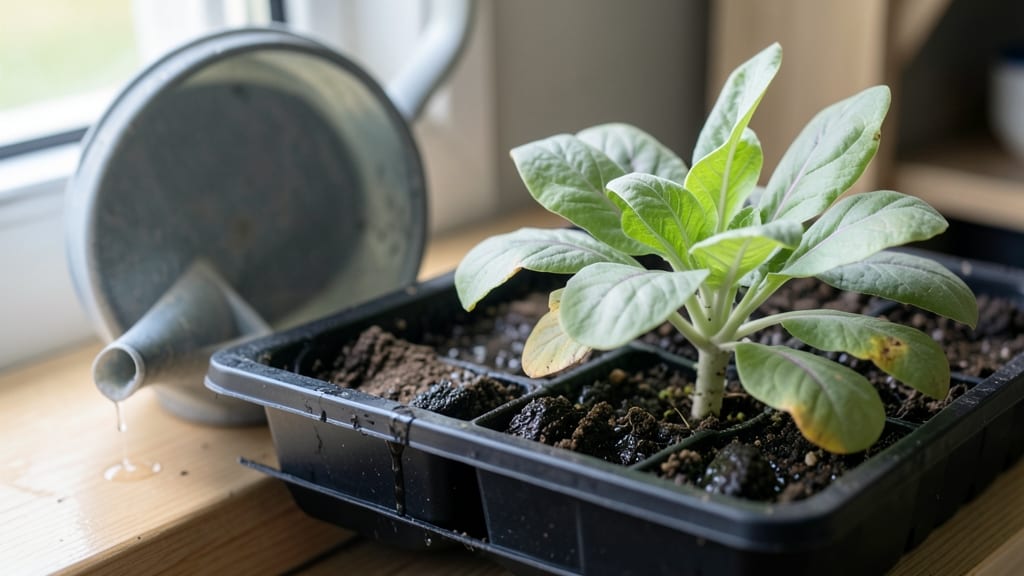
Growing seedlings right means avoiding seedling growth mistakes that stall them before they even get a chance to thrive.
Your seedlings might be struggling not because of poor soil or pests—but because you're drowning them in water. Overwatering is the silent killer of young plants, and recognizing the early signs can save your garden before it's too late.
Too much water blocks oxygen from roots, leading to yellow leaves or a mushy stem. The fix is simple: let the top inch of soil dry out before watering again. This small shift makes all the difference for strong, healthy 🌱 starts.
In this guide, I’ll show you the top 5 overwatering signs to watch for, how to correct them fast, and the best watering habits to keep your seedlings on track for transplanting.


5 Overwatering signs your seedlings are dying (and how to fix them)
If your seedlings look sad—yellow leaves, droopy stems, or slow growth—you might be overwatering them. It’s easy to think more water equals happier plants, but seedlings are delicate. Too much moisture suffocates their roots, inviting diseases like root rot and fungal infections.
The good news? These 5 overwatering signs are easy to spot, and fixing them is simple once you know what to look for.
I’ve seen this mistake countless times in my own garden, especially with tomato seedlings and pepper plants. The key is learning the difference between thirsty plants and waterlogged ones. Overwatered seedlings often show visible wilting even when the soil feels damp, while underwatered ones have crispy edges.
Let’s break down the warning signs and how to revive your struggling seedlings before it’s too late.
🌱 5 Overwatering Signs in Seedlings
- 1. Yellowing Leaves: Lower leaves turn pale yellow or lime green, starting from the oldest leaves. This is a classic nutrient leaching sign from overwatering.
- 2. Wilting Despite Wet Soil: Seedlings appear limp or droopy even when the soil feels damp. This happens when roots can’t absorb oxygen due to waterlogged conditions.
- 3. Mold or Fungus Growth: White, fuzzy mold or black spots on soil or stems indicate excess moisture, creating the perfect environment for fungal diseases.
- 4. Stunted or Slow Growth: Seedlings stop growing or grow abnormally slow, even with plenty of sunlight. Roots suffocate, starving the plant of essential nutrients.
- 5. Root Rot or Blackened Stems: Pull a seedling gently—if roots are dark brown or mushy, or stems feel soft, root rot has set in, and the plant may not recover.
Let’s tackle the first sign: yellowing leaves. When seedlings show this symptom, it’s often a cry for help. The yellowing starts with the oldest leaves because they’re the first to lose nutrients when roots can’t absorb water properly.
I’ve seen basil seedlings turn completely yellow in just 48 hours if left in soggy soil. The fix? Let the top inch of soil dry out before watering again, and ensure your pots have drainage holes.
Next up is wilting despite wet soil, a tricky one because it mimics underwatering. The difference? Stick your finger into the soil—if it’s damp or sticky, your seedlings are drowning.
To fix this, stop watering immediately and move seedlings to a well-ventilated area. If possible, repot them in fresh, lightweight potting mix with perlite or sand to improve drainage.
If you spot mold or fungus, act fast. Fungal infections spread quickly, especially in humid conditions. Remove affected seedlings and sterilize your tools with rubbing alcohol. Replace the top layer of soil with fresh, sterilized potting mix, and avoid watering from above.
Instead, use a watering can with a narrow spout to direct water to the soil, not the leaves.
Stunted growth is another red flag. Seedlings need consistent moisture, but too much water deprives roots of oxygen, slowing their development. To encourage growth, reduce watering frequency and ensure pots aren’t sitting in saucers of standing water. If your seedlings are in a tray, empty it after watering to prevent soggy roots.
The most critical sign is root rot, which is often irreversible. If you gently pull a seedling and see black, mushy roots, it’s a sign the plant is beyond saving. However, you can still save the healthy seedlings by repotting them in fresh soil and adjusting your watering habits.
Always use pots with drainage holes, and consider adding hydrogel crystals to retain moisture without suffocating roots.
Prevention is the best cure. I’ve found that using a moisture meter or the finger test (inserting your finger 1 inch into the soil) helps me avoid overwatering. Water seedlings only when the top inch of soil feels dry, and always use a pot with drainage.
For extra protection, add a layer of gravel or pebbles at the bottom of the pot to improve airflow to the roots.
Remember, seedlings are resilient, but they need the right balance of water, air, and nutrients. By recognizing these 5 overwatering signs early, you can turn things around and give your seedlings the healthy start they deserve. With a little attention, your garden will be thriving in no time! 🌱
Why overwatering happens: common mistakes gardeners make with seedlings
I’ve seen it happen more times than I can count—seedlings wilting or turning yellow despite what seems like perfect care. The truth? Most of the time, it’s not underwatering causing the problem, but overwatering.
Seedlings have delicate root systems that need moisture, but too much water suffocates them, blocking oxygen and inviting root rot. The real issue often lies in habits we don’t even realize we’re doing.
One of the biggest culprits is inconsistent watering schedules. Some gardeners water seedlings every day, while others wait until the soil feels bone-dry. Both extremes can stress young plants. Seedlings thrive on consistent moisture, not sporadic drenching.
Another mistake? Ignoring the drainage setup in pots. Without proper drainage holes, excess water pools at the bottom, creating a swampy environment that seedlings can’t escape.
Overwatering isn’t just about giving too much water—it’s about misjudging how seedlings absorb moisture. Here’s what you might be missing:
- Soil type matters: Sandy soil dries faster than clay; adjust watering accordingly.
- Container size affects roots: Small pots dry out quicker than larger ones.
- Humidity levels change needs: High humidity means less frequent watering.
- Seedling stage dictates care: Germination needs more moisture than hardening-off.
Fix it by checking soil moisture with your finger—if the top ½ inch feels dry, water lightly. If it’s still damp, wait.
We also tend to misjudge seedling moisture needs because we assume all plants are the same. In reality, leafy greens like lettuce tolerate more moisture than delicate herbs like basil. Even within the same species, seedlings at different stages need varying care.
For example, newly sprouted seeds require higher humidity to prevent drying out, while hardened-off seedlings can handle slightly drier conditions.
Another common mistake is watering at the wrong time. Pouring water on seedlings in the evening or during hot afternoons can lead to fungal diseases like damping-off. Morning watering gives excess moisture time to evaporate, reducing the risk.
Additionally, using cold water can shock seedlings, slowing their growth. Always use room-temperature water to keep them comfortable.
To prevent overwatering, start by using the right containers. Ensure pots have drainage holes and consider grouping seedlings in trays with saucers to catch excess water. You can also mix perlite or vermiculite into your seedling mix to improve drainage.
Finally, invest in a moisture meter or simply stick your finger into the soil—if it’s soggy, hold off on watering.
Remember, seedlings are resilient, but they need balance. The goal isn’t to keep the soil perpetually wet but to maintain even moisture without waterlogging. With these adjustments, you’ll give your seedlings the perfect environment to thrive—without the risk of drowning them.