
Advice
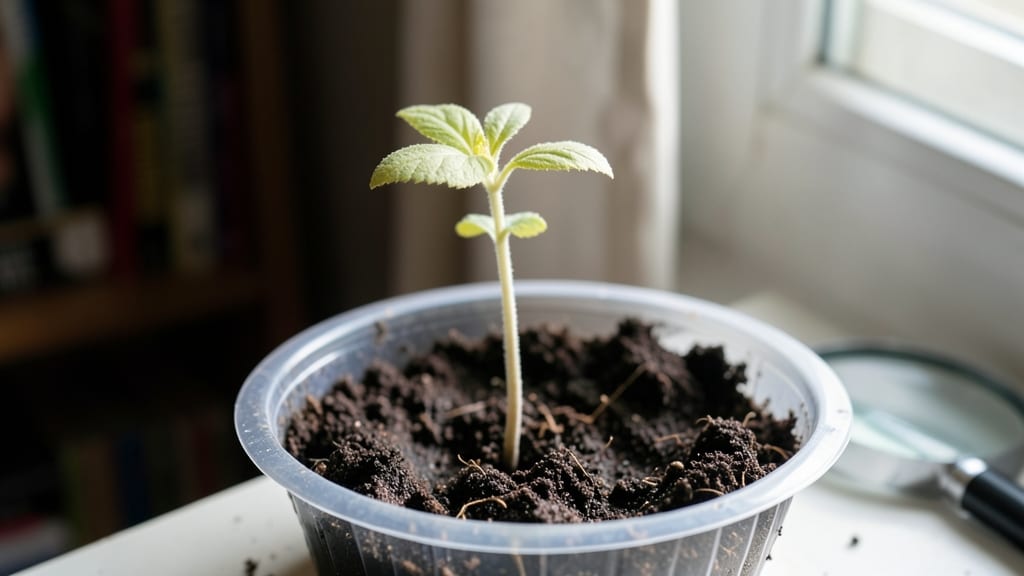
If your seedling growth stunted instead of thriving, don’t stress—solving the problem is simpler than you think. 🌱 I’ve revived countless weak, yellowing, or sluggish seedlings by focusing on just three key factors: light, water, and soil. The good news? Most stunted seedlings can bounce back with the right tweaks.
Leggy seedlings usually mean light deprivation, while droopy or crispy leaves point to watering gone wrong. Poor soil—too dense, too sandy, or lacking nutrients—can also strangle growth before it starts.
The key is to rule out one issue at a time: move them to brighter light, adjust your watering schedule, or give the roots a nutrient boost with compost tea.
You’ll see real recovery within days if you catch the problem early. New leaves will firm up, stems will thicken, and roots will spread. The secret? Treating seedlings like the delicate but resilient lifeforms they are—not like fragile glass. A little attention now means stronger plants later.
This checklist works for tomatoes, peppers, herbs, and flowers alike, whether you’re growing in trays, pots, or under lights. Let’s get those seedlings back on track—before they give up for good.
Root Causes Behind Weak Starts
When your seedlings seem stuck in slow motion—tiny leaves, leggy stems, or a stubborn refusal to grow—it’s rarely just bad luck. 🌱🔍 Most cases of stunted growth boil down to a few key factors, often working in combination.
Understanding these triggers is your first step toward turning things around. Let’s dig into the science behind why seedlings hit the brakes.
Soil isn’t just dirt—it’s a living ecosystem that delivers nutrients, water, and oxygen to roots. When seedlings struggle, the soil is often the guilty party. Here’s what goes wrong:
- Compacted or Dense Soil: Tight, clay-heavy, or overworked soil restricts root expansion, cutting off oxygen flow. Roots suffocate, stunting growth as they struggle to spread. Test it: Squeeze a handful—if it holds shape like a brick, it’s too dense.
- Lack of Organic Matter: Bare-minimum soil (like pure sand or gravel) lacks the microbial life and humus that feed roots. Seedlings rely on slow-release nutrients from decomposed plant material—without it, they’re starving.
- Wrong pH Levels: Most seedlings thrive in slightly acidic soil (pH 6.0–7.0). Too alkaline (pH >7.5) locks out iron and manganese, causing yellowing leaves (chlorosis). Too acidic (pH <5.5) can leach essential nutrients like calcium and magnesium.
- Waterlogging or Drought:
- Too Wet: Oxygen-starved roots rot in soggy soil, halting growth. Sign: Dark, mushy roots or seedlings toppling over.
- Too Dry: Roots can’t access moisture, leading to wilting or crispy edges. Sign: Soil pulls away from pot edges, and seedlings look “thirsty.”
💡 Pro Tip: Amend soil with compost (20–30%) or coco coir to improve aeration and water retention. For pH fixes, use lime (to raise pH) or sulfur (to lower it) sparingly. Test soil before planting—kits cost $10 and save guesswork.
Seedlings are like Goldilocks—they need conditions that are just right. Too hot or too cold throws their metabolism into overdrive or shutdown, stalling growth.
- Cold Stress (<50°F/10°C): Low temps slow enzyme activity, halting nutrient uptake. Roots may turn black (cold damage), and seedlings appear stunted or limp. Nighttime dips below 45°F (7°C) are especially risky.
- Heat Stress (>90°F/32°C): High temps increase respiration (energy use) faster than photosynthesis (energy production), leading to nutrient burnout. Leaves may curl or scorch, and growth stalls.
- Temperature Swings: Rapid changes (e.g., sunny days to chilly nights) confuse seedlings, causing transpiration stress (water loss through leaves outpaces absorption).
🌡️ Actionable Fix:
- Use a heat mat (70–75°F/21–24°C) for bottom warmth during germination.
- Provide shade cloth (30–50%) in hot climates to prevent overheating.
- Avoid drafts near vents, doors, or AC units—seedlings need consistent temps.
Seedlings are nutrient hogs—they need quick access to macro (N-P-K) and micro nutrients to grow. When deprived, they prioritize survival over expansion, leading to stunted, weak stems.
| Nutrient | Deficiency Signs | Common Causes |
|---|---|---|
| Nitrogen (N) | Pale yellow leaves (older leaves first), slow stem growth | Overwatering (leaches N), poor soil, or no fertilizer |
| Phosphorus (P) | Dark green/purple stems and leaves, weak roots | Cold soil (P uptake drops), over-fertilizing with N-heavy feeds |
| Potassium (K) | Yellow edges on older leaves, weak stems (prone to snapping) | Waterlogged soil (K leaches out), high salt levels |
| Micronutrients (Fe, Zn, Mg) | Yellowing between leaf veins (chlorosis), stunted new growth | Alkaline soil (locks out Fe/Zn), overwatering |
💡 Pro Tip: Start with a balanced starter fertilizer (e.g., 5-10-5 or 3-4-6) at half-strength. For micronutrients, a chelated iron spray can revive chlorotic seedlings in days. Never over-fertilize—salty soil burns roots faster than starvation!
Seedlings are solar panels—they convert light into energy via photosynthesis. Too little or too much light throws their growth off balance.
- Insufficient Light: Leggy, pale stems (etiolation) occur when seedlings stretch toward weak light sources. Leaves may be small and sparse, and growth stalls as energy is wasted on stem elongation.
- Too Much Direct Sun: Young leaves lack protective pigments, leading to sunburn (white/yellow patches). Heat stress from intense light also dries out soil faster than roots can absorb water.
- Incorrect Light Spectrum: Seedlings need blue light (6200–6600K) for compact growth and red light (640–700nm) for energy production. LED grow lights without both wavelengths can cause stunting.
🔦 Fix It:
- Provide 12–16 hours of light daily (use timers for consistency).
- Keep seedlings 6–12 inches below grow lights (closer for LEDs, farther for HPS).
- Rotate trays quarter-turn daily to prevent uneven growth toward light.
Tiny invaders or pathogens can derail seedlings before you even notice. Their damage weakens roots, blocks nutrient uptake, or clogs foliage, leading to stunted, patchy growth.
- Fungal Issues:
- Damping-Off: Gray mold or watery stems near soil line (caused by Rhizoctonia or Pythium). Roots rot, and seedlings collapse.
- Powdery Mildew:
Revive Your Seedlings Step-by-Step
Stunted seedlings can feel like a setback, but with the right care, they often bounce back stronger than ever. Below is a cause-to-fix guide tailored to common issues, plus prevention tips to keep your seedlings thriving. Let’s get growing!
Fix it: Your seedlings might be starving for essential nutrients or struggling in compacted soil. Here’s how to rescue them:
- 🔥 Test and Amend the Soil Use a soil test kit to check pH and nutrient levels. Most seedlings prefer a slightly acidic to neutral pH (6.0–7.0). If the soil is too dense, mix in compost, coconut coir, or perlite to improve aeration and drainage.
- 🍽️ Feed with Gentle Fertilizer Over-fertilizing burns seedlings, but a balanced, water-soluble fertilizer (5-5-5 or 10-10-10) at half-strength can work wonders.
Apply it once every 2–3 weeks after the first true leaves appear. Pro Tip: 💡 Fish emulsion or seaweed extract are organic alternatives that provide micronutrients without harsh chemicals.
- 🌡️ Warm Up the Roots If your seedlings are in cold soil, place a clear plastic dome or row cover over them to trap heat. For container seedlings, use a heat mat (set to 65–75°F) to encourage root growth.
Prevent it:
- Start with high-quality seed-starting mix (not garden soil).
- Rotate crops to avoid nutrient depletion.
- Mulch lightly with compost to retain moisture and nutrients.
Fix it: Watering woes are a top cause of stunted growth. Let’s fix the balance:
- 👨🍳 Check the Moisture Level Stick your finger 1 inch into the soil—if it’s soggy, you’re overwatering; if dry, it’s time to hydrate. Seedlings need consistent moisture, not a swamp or a desert.
- 🥘 Adjust Your Watering Routine
- Overwatered? Let the top inch dry out slightly between waterings. If roots are rotting, repot into fresh, dry mix and reduce frequency.
- Underwatered? Water slowly at the base (not overhead) to avoid shocking the plant. Use a spray bottle for delicate seedlings.
- ⏰ Optimize Drainage Ensure pots have drainage holes and use terracotta or fabric pots to prevent root suffocation. Elevate trays to avoid sitting in water.
Prevent it:
- Water in the morning to allow foliage to dry overnight.
- Use a moisture meter for precision.
- Group seedlings together to create a humid microclimate (but avoid crowding).
Fix it: Light is the lifeblood of seedlings—too little stunts them, but too much scorches them.
- 🔥 Boost Weak Light If seedlings are leggy (tall and thin), they’re stretching for light. Move them closer to a south-facing window or under grow lights (12–16 hours/day). LED or fluorescent lights (1–2 inches above seedlings) work best.
- 🌡️ Shield from Harsh Sun If leaves look bleached or crispy, they’re sunburned. Provide partial shade with a sheer curtain or shade cloth (30–50%) during peak hours (10 AM–4 PM).
- 🔄 Rotate for Even Growth Turn seedlings quarter-turn daily so they don’t lean toward the light source.
Prevent it:
- Start with grow lights if natural light is weak (common in basements or north-facing windows).
- Acclimate gradually to outdoor light (harden off) to avoid shock.
Fix it: Tiny invaders or fungal infections can halt growth overnight. Act fast!
- 🔥 Identify the Culprit Common pests: Aphids, spider mites, fungus gnats, or whiteflies.
Diseases often show as powdery mildew or damping-off (black stems). - Aphids? Spray with soapy water (1 tsp mild soap + 1 quart water). - Fungal issues? Remove affected seedlings and dust with cinnamon or copper fungicide.
- 🍳 Introduce Beneficial Allies
- Ladybugs or lacewings eat aphids.
- Neem oil (1 tsp + 1 quart water + drop of dish soap) treats pests and diseases naturally.
- 🔄 Quarantine New Plants Always inspect new seedlings before introducing them to your garden.
Prevent it:
- Keep trays clean and remove debris.
- Space seedlings for airflow (prevents fungal spread).
- Use sterile pots and avoid overcrowding.
Fix it: Seedlings are sensitive to temperature swings. Keep them in their ideal zone (65–75°F day, 55–65°F night).
- 🥘 Cool Down Overheated Seedlings Move them to a shadier spot or use a fan on low speed (creates wind stress, making them stockier). Avoid cold drafts from AC or windows.
- 🔥 Warm Up Chilly Seedlings Place trays on a seedling heat mat or nestle them in a mini greenhouse (clear plastic bag with holes for airflow).
Prevent it:
- Monitor with a thermometer near seedlings.
- Avoid placing near vents or doors.
- Diagnose first—yellow leaves? Check water. Leggy? Needs light.
- Adjust one thing at a time (e.g., fix light before fertilizing).
- Be patient—some seedlings recover in 3–7 days; others may need repotting.
- Document progress with photos to track improvements.
Final Tip: ✨ Don’t toss stunted seedlings yet! Many recover with targeted care. If all else fails, try propagating healthy leaves to start fresh. Happy growing!
Frequently asked questions
Why are my seedlings growing so slowly even with plenty of water?
Slow growth with adequate water often means your seedlings need more light or nutrients. Check if they're leggy (stretching toward light) or pale—this signals light deprivation. If soil is dense or lacks organic matter, roots can't access oxygen or nutrients properly. Try moving them closer to a bright window or grow lights, and amend soil with compost.
Can I save seedlings with black, mushy stems?
That's likely damping-off, a fungal disease. Unfortunately, infected seedlings usually can't be saved, but you can prevent it spreading. Remove affected plants immediately, sterilize pots with hydrogen peroxide (3%), and improve airflow by spacing seedlings wider. Use fresh, sterile seed-starting mix next time to avoid reinfection.
How often should I fertilize stunted seedlings?
Start with a very light dose—half-strength of a balanced starter fertilizer (5-5-5) every 2-3 weeks after true leaves appear. Over-fertilizing burns delicate roots. For organic options, try diluted fish emulsion or seaweed extract. Always water thoroughly before and after applying fertilizer to prevent salt buildup in the soil.
Will pruning help stunted seedlings grow bushier?
For most seedlings, pruning isn't necessary and can stress them further. Instead, focus on fixing the root cause (light, water, or nutrients). If you notice leggy growth, you can pinch off the top set of leaves to encourage lateral branching—but only if the plant is otherwise healthy. Avoid cutting into stems, as this creates entry points for disease.
How do I know if my seedlings need repotting?
Check for root-bound signs: roots circling the pot bottom or growing out of drainage holes. If you gently remove a seedling and see roots densely packed, it's time to upgrade to a slightly larger container (1-2 inches wider). Use fresh seed-starting mix and avoid disturbing roots too much during transplant. The best time to repot is when you first notice stunting.