
Watering
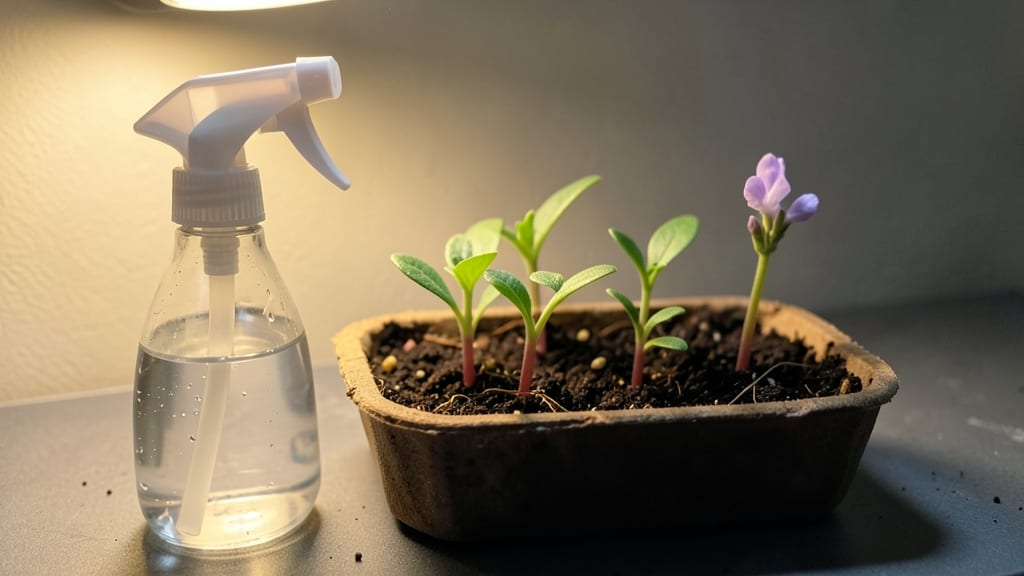
Tracking snapdragon seedling stages month-by-month turns guesswork into confidence. 🌱 I’ve watched these delicate sprouts go from barely visible specks to towering blooms, and knowing exactly what to expect at each phase makes all the difference.
The first two weeks are all about tiny green needles poking through soil—easy to miss if you’re not checking daily.
By week three, you’ll see the first true leaves unfurl, followed by the distinctive square stems that snapdragons are named for. This is when they need more light—move them under grow lights or to a sunny windowsill if natural light is weak.
Overcrowding is the biggest enemy here; thin seedlings to 2 inches apart or they’ll stretch and flop.
When seedlings hit 3-4 inches tall (around month two), they’re ready for their first pinch. Pinching the top growth encourages bushier plants, which means more blooms later. The roots will also start crowding their containers, so this is your cue to transplant into slightly larger pots if you haven’t already.
By month three, you’ll notice buds forming along the stems—this is when snapdragons show their true personality. The flowers might not open fully until they’re planted outdoors, but the color hints (red, pink, or yellow) will give you a preview of what’s coming.
Keep soil consistently moist but never soggy, and you’ll avoid the dreaded damping-off that can strike at any stage.
📚 In This Guide
- What you need
- Instructions
- Tips and common mistakes
- Wrapping up and next steps
What you need
- ● Snapdragon seeds: High-quality, fresh seeds (10–20 per pot or tray, depending on spacing). Opt for heirloom varieties like 'Black Knight' or 'Peppermint Stick' for vibrant colors.
- ● Seed-starting mix: 1–2 quarts of sterile, seed-specific potting mix (avoid garden soil—it’s too dense!). Look for brands like FoxFarm Seedling Formula or Pro-Mix BX.
- ● Containers: Seed trays (1020 or 50-cell) or
- ● Biodegradable pots (2–3 inches deep) for transplanting later.
- ● Grow lights or sunny windowsill: A full-spectrum LED grow light (e.g., Spider Farmer SF-2000) or a south-facing window with 6+ hours of sunlight daily.
- ● Watering can or spray bottle: With a fine mist nozzle to avoid disturbing seeds.
- ○ Heat mat (optional but recommended): A seedling heat mat (70–75°F range) to speed up germination.
- ● Plastic wrap or humidity dome: To retain moisture during germination (remove once sprouts appear!).
- ● Fertilizer: A balanced, water-soluble fertilizer (e.g., Jack’s Classic 20-20-20) at half-strength for seedlings.
- ● pH test kit: To ensure your soil is slightly acidic (6.0–6.8). Snapdragons thrive in this range!
- ● Tweezers or small spoon: For gently handling seedlings during transplanting.
- ● Label markers: To track seed varieties and planting dates.
- ● Temperature: Ideal germination range: 65–75°F (18–24°C). Avoid drafts or extreme heat.
- ● Humidity: 50–70% during germination; reduce slightly once seedlings sprout.
- ● Light: 12–16 hours of light daily (supplement with grow lights if natural light is insufficient).
Understanding snapdragon seedling stages: a month-by-month visual guide
Here's how to track your snapdragons' progress—no guesswork, just clear milestones.
🌱 Month 1: Germination and First True Leaves
After sowing seeds indoors, germination typically occurs within 7-14 days at 65-75°F. You'll notice tiny green sprouts poking through the soil first—these are the cotyledons, the plant's first leaves. They look like two rounded leaves hugging the stem tightly.
Once the cotyledons unfurl, wait another 7-10 days for the first true leaves to appear. These will be smaller, more elongated, and arranged in a spiral pattern around the stem. This is your cue to remove the humidity dome and start introducing gentle airflow to strengthen stems.
🌿 Month 2: Rapid Growth and Leaf Development
By month 2, your seedlings should be 2-3 inches tall with 4-6 true leaves. This is when they enter their most vulnerable phase—leggy growth becomes a risk if light is insufficient. You'll know they need more light when stems stretch thin and leaves space themselves far apart.
Pinch off the top set of leaves when the plant reaches 3-4 inches to encourage bushier growth. This forces energy into side shoots rather than just upward growth. Water at the base only—wet leaves invite fungal diseases like powdery mildew, which snapdragons are prone to.
☀️ Month 3: Hardening Off and Transplant Prep
Two weeks before your last frost date, begin hardening off seedlings. Start with 1-2 hours of outdoor exposure in a sheltered spot, gradually increasing to full sun over 10-14 days. You'll see leaves darken slightly as they adjust—this is normal and temporary.
Transplant outdoors when soil reaches 50°F and seedlings are 4-6 inches tall with 8-10 leaves. Space them 10-12 inches apart in full sun to partial shade. Watch for wilting the first day—this is normal as roots adjust to their new home. Water deeply at the base to settle soil around roots.
🌼 Month 4+: Flower Bud Formation and Maturity
By month 4, you'll notice buds forming at the stem tips. These will develop into snapdragons' signature spurred flowers in shades of pink, red, yellow, or white. The plant will continue growing taller, often reaching 2-3 feet, with side shoots producing additional blooms.
Deadhead spent flowers by pinching off the entire flower spike to encourage continuous blooming through the season. Snapdragons are biennials, so if you leave some plants in the ground, they may produce even more robust flowers the following year.
Tips & tricks for perfect snapdragon seedling stages
Tracking snapdragon growth month by month is easier than you think—these simple tricks will help you spot each stage without a single guess.
Temperature Matters: During the critical 7-14 day germination window, keep your seeds at a consistent 65-75°F. I use a seedling heat mat set to 75°F for the first week—this speeds up germination without risking overheating. If your home stays cooler, consider a simple greenhouse kit with a built-in thermometer to monitor conditions.
Lighting Secret: When your seedlings reach 2-3 inches in month 2, watch for that classic "leggy" warning sign—thin stems and leaves spaced far apart. This means they need more light! Move them within 6 inches of a grow light or bright south-facing window. I rotate my seedlings daily to prevent them from leaning toward one light source, ensuring even growth.
Hardening Off Strategy: The 1-2 hour outdoor exposure during hardening off is your plant's first taste of real-world conditions. Start in a sheltered spot like under a tree or on a covered porch. I like to use a small fan on low setting indoors during this period too—it mimics wind conditions and strengthens stems naturally.
Transplanting Timing: Wait until soil reaches 50°F before transplanting—cold soil can shock delicate roots. I test soil temperature with a simple thermometer pushed into the ground. Also, transplant on a cloudy day to reduce stress from direct sunlight. Water thoroughly before and after transplanting to help roots settle into their new home.
Pro Tips for Snapdragon Seedling Stages
- Tracking snapdragon growth month by month is easier than you think—these simple tricks will help you spot each stage without a single guess.
- Temperature Matters: During the critical 7-14 day germination window, keep your seeds at a consistent 65-75°F.
- Lighting Secret: When your seedlings reach 2-3 inches in month 2, watch for that classic "leggy" warning sign—thin stems and leaves spaced far apart.
Frequently asked questions
How long does it take for Snapdragon seedlings to germinate?
Snapdragon seeds typically sprout in 7–21 days, depending on temperature (ideal: 65–75°F) and moisture. Keep soil consistently damp (not soggy!) and patience—cool weather can slow things down. If nothing emerges after 3 weeks, try gently pressing seeds into the soil or testing their viability.
When should I transplant Snapdragon seedlings outdoors?
Wait until after the last frost and seedlings have 4–6 true leaves (not just cotyledons). Harden them off for 7–10 days by gradually exposing them to outdoor conditions. Plant in well-draining soil with 12–18 inches of spacing—they’ll thank you with robust growth!
How often should I water Snapdragon seedlings?
Keep soil evenly moist but never waterlogged. Water daily (or every other day) if the top inch feels dry, but reduce frequency as seedlings mature. Overwatering can cause damping-off (a fungal disease). Use a spray bottle for seedlings and switch to gentle streams once they’re larger.
What if my Snapdragon seedlings look leggy or weak?
Leggy seedlings usually mean too little light. Move them to a sunny windowsill or grow lights (12–16 hours/day). If they’re already stretched, bury them deeper when transplanting—the lower stem will develop roots! Avoid overcrowding trays, too, as this competes for light.
Can I grow Snapdragons from cuttings instead of seeds?
Yes! Take 4–6 inch cuttings from healthy, non-flowering stems in spring or early summer. Dip in rooting hormone, plant in moist perlite/sand mix, and cover with a plastic bag to retain humidity. Roots typically form in 4–6 weeks. This method is great for preserving rare varieties!
Wrapping up and next steps
Watching your snapdragon seedlings grow from tiny sprouts to vibrant blooms is a rewarding journey! 🌱 By understanding each month-by-month stage, you’ll be better equipped to nurture healthy plants and troubleshoot challenges.
Whether you’re a beginner or a seasoned gardener, this visual guide empowers you to grow confidently—so don’t hesitate to plant those seeds and enjoy the process!
Ready to take the next step? Start with a few seedlings this season, and soon you’ll be sharing your stunning snapdragons with friends—or even expanding your garden! 🌸