Pests
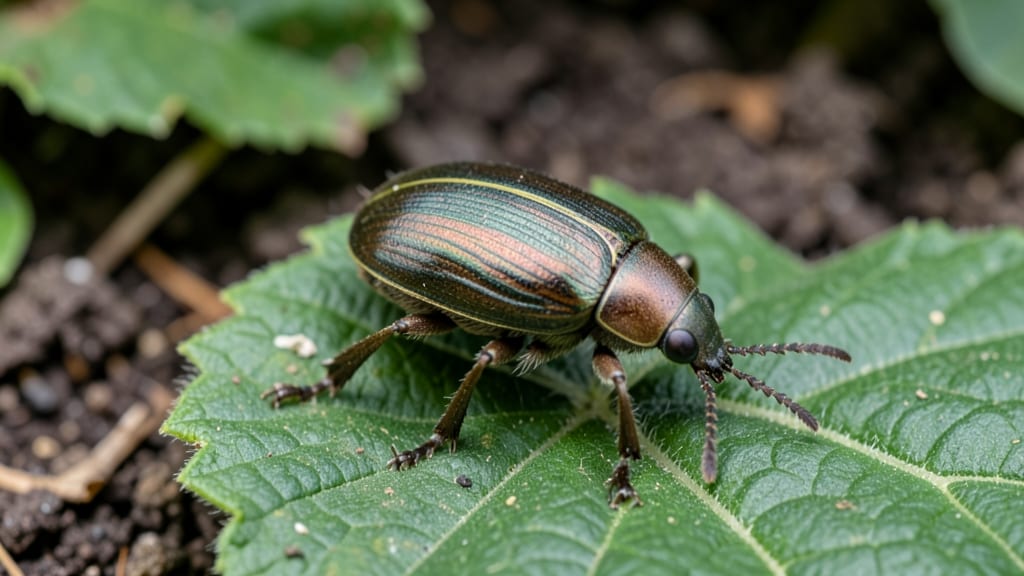
Sunflower seed beetles can turn your carefully grown harvest into a chewed-up mess before you even get to enjoy those towering blooms. 🌻 I’ve lost entire seed heads to these tiny black pests, but I’ve also learned how to outsmart them without reaching for harsh chemicals.
The key is catching them early—before they tunnel into your sunflower heads and leave behind hollow stems.
These beetles thrive in warm, dry conditions, which is why they strike hardest in late summer when sunflowers are at their peak.
You’ll spot them as small, shiny black beetles crawling through the foliage or notice the first sign of damage: tiny holes in the seed heads or a fine, dust-like frass (that’s beetle poop) littering your plants.
The damage might look minor at first, but left unchecked, they’ll ruin your seeds entirely.
Natural control starts with prevention: plant sunflowers later in the season to avoid peak beetle activity, or choose varieties with tight seed heads that are harder for them to penetrate. Once they appear, handpick adults and drop them in soapy water—it’s tedious but effective.
For a bigger infestation, introduce beneficial predators like parasitic wasps or use neem oil as a barrier treatment to keep them away without harming your plants.
Timing is everything with these pests. Start monitoring your sunflowers in July, and you’ll have a fighting chance to save your harvest. The goal isn’t just to eliminate them now but to break their cycle so next year’s plants stand a better chance.
With the right approach, you can protect your sunflowers and still enjoy those iconic golden blooms come fall.
Root Causes Of Seed Damage
Sunflower seed beetles (Smicronyx sordidus) wreak havoc on stored seeds by tunneling into kernels, leaving behind a trail of destruction. But why do these pests target your harvest in the first place?
Understanding the root causes helps you take proactive steps to prevent infestations. Here’s what’s really going on:
Beetles thrive in environments that mimic their natural habitat—warm, humid, and undisturbed. When seeds are stored in damp, poorly ventilated spaces, moisture levels rise, creating the perfect breeding ground for these pests.
- Moisture buildup: Seeds with residual moisture (above 10%) attract beetles, as they seek out damp kernels to lay eggs. Over time, condensation or leaks can turn storage bins into a beetle buffet.
- High temperatures: Beetles are most active between 70–90°F (21–32°C). Storing seeds in uninsulated sheds or near heat sources (like furnaces) accelerates their life cycle, leading to faster reproduction.
- Lack of airflow: Airtight containers trap moisture and heat, creating a greenhouse effect. Without circulation, beetles can multiply unchecked, turning a small problem into a full-blown infestation.
Actionable fix: Use food-grade silica gel packets or dehumidifiers in storage areas, and opt for ventilated bins to regulate humidity and temperature.
Even if your storage is pristine, beetles can hitch a ride on seeds purchased from infested sources. These pests are notorious for hiding in bulk seed shipments, especially if the supplier doesn’t follow strict post-harvest inspection protocols.
- Infested seed lots: Beetles lay eggs in seed cracks or on seed coats, which hatch into larvae that burrow inside. By the time you notice damage, the infestation may already be advanced.
- Cross-contamination: Reusing containers that previously held beetle-infested seeds (even after cleaning) can reintroduce eggs or larvae. Some species produce diapausing eggs—dormant stages that can survive for months.
- Wild bird or rodent activity: Birds and rodents often carry beetles or their eggs on feathers or fur, depositing them near storage areas.
Actionable fix:
- Inspect new seed purchases for tiny holes or frass (fecal pellets) before storage.
- Freeze seeds at 0°F (-18°C) for 4 days to kill any hidden beetles or eggs.
- Disinfect containers with steam or hot water (140°F/60°C) before reuse.
Beetle populations surge during specific times of year, aligning with seed harvest and storage seasons. Their life cycle is tightly linked to environmental cues, making them predictable—but not preventable—if you’re unprepared.
- Harvest timing: Beetles are most active late summer to early fall, when freshly harvested seeds are soft and nutrient-rich. Delaying storage or processing seeds too slowly invites infestations.
- Overwintering survival: Adult beetles and dormant eggs can survive winter in cracks or crevices of storage facilities. When temperatures rise in spring, they emerge hungry and ready to reproduce.
- Post-harvest lag: Leaving seeds in fields or barns for extended periods (e.g., waiting for "perfect" drying conditions) gives beetles a head start. Every day counts in the battle against these pests.
Actionable fix:
- Harvest seeds when moisture levels drop below 10% to reduce attractiveness.
- Apply insect-proof mesh to storage vents during peak beetle seasons (August–October).
- Monitor seed piles with pheromone traps to detect early activity.
Even the best seeds can’t withstand a poorly designed storage system. Gaps in your defense strategy—like ignored entry points or neglected maintenance—give beetles an open invitation.
- Cracks and gaps: Beetles can squeeze through openings as small as 1/16 inch (1.5 mm). Wooden bins, pallet gaps, and rusty hinges on storage doors are common entry points.
- Improper sealing: Plastic bins with loose lids or burlap sacks left unclosed are easy targets. Beetles exploit any weakness to access seeds.
- Nearby organic debris: Leaves, plant stalks, or spilled seeds near storage areas provide shelter and food for beetles, increasing the risk of migration indoors.
Actionable fix:
- Seal all storage containers with weatherstripping or silicone caulk.
- Store seeds in metal or heavy-duty plastic bins with tight-fitting lids.
- Keep storage areas clean and clutter-free, removing debris within 50 feet of seed storage.
Practical ways to eliminate seed invaders
Now that you understand why these tiny pests target your sunflower seeds, let’s tackle the problem with effective, chemical-free solutions. Whether you’re dealing with stored seeds, garden plants, or harvested crops, these methods will help you reclaim your harvest—without harming your health or the environment.
If your seeds are already infested in storage, act fast to prevent further damage.
🔥 Freeze or Heat-Treat Seeds
- Freezing: Place seeds in airtight bags and freeze them for 4–7 days at 0°F (-18°C). The cold kills eggs and larvae.
- Heating: Use an oven or dehydrator to heat seeds to 120°F (49°C) for 20–30 minutes.
This kills all life stages without damaging viability (test a few seeds first).
🪰 Use Fine Mesh Screens
- Store seeds in fine-mesh bags or containers (like those designed for flour or grains) to block beetles from entering.
- Pro Tip: 💡 Add a bay leaf or clove to the storage container—these natural repellents deter pests.
🕵️ Monitor & Rotate Stock
- Divide seeds into smaller batches and check them weekly for signs of infestation.
- Discard heavily damaged seeds immediately to prevent spread.
If beetles are attacking sunflowers in the field or garden, early intervention is key.
🍳 Introduce Beneficial Predators
- Ladybugs, lacewings, and parasitic wasps naturally prey on seed beetles. Release them at dusk when beetles are most active.
- Pro Tip: 🌡️ Plant dill, fennel, or marigolds nearby—they attract these helpful insects.
👨🍳 Practice Crop Rotation
- Avoid planting sunflowers (or other susceptible crops like corn, sorghum, or millet) in the same spot for 2–3 years. This breaks the beetle’s life cycle.
- Alternative: 🎯 Interplant sunflowers with basil or thyme—their strong scents repel beetles.
🔪 Remove Debris & Harvest Early
- Clear fallen seed heads and plant debris after harvest to eliminate hiding spots.
- Harvest sunflowers slightly early (when seeds are still firm but not fully mature) to reduce beetle attraction.
Prevent future infestations with these low-effort, high-impact tactics.
🌡️ Store Seeds Properly
- Keep seeds in a cool, dry place (below 60°F / 15°C and under 10% humidity).
- Use vacuum-sealed bags or glass jars with tight lids to block moisture and pests.
💡 Natural Deterrents in Storage
- Diatomaceous earth (food-grade): Sprinkle lightly around storage areas—it dehydrates beetles.
- Essential oils: Mix neem oil, peppermint oil, or cedarwood oil with water and spray storage containers (test on a small area first).
🌱 Choose Resistant Varieties
- Some sunflower varieties (like ‘Mordovian’ or ‘Autumn Beauty’) are less attractive to seed beetles. Check with seed suppliers for pest-resistant strains.
Final Reminder: 🎯 Act fast—seed beetles multiply quickly! Combine storage hygiene, natural repellents, and early harvesting for the best results. With these methods, you’ll protect your harvest without chemicals and keep your sunflowers thriving.
Frequently asked questions
How do I tell if my sunflower seeds are infested with beetles?
Look for tiny 1/8-inch black beetles crawling through seed heads or fine, dust-like frass (beetle poop) scattered around. Check for small holes in seeds or hollow stems—these are clear signs of larvae feeding inside. Shake seeds in a paper bag; if you see movement or hear rustling, you’ve got an infestation.
Can I still use seeds that have been lightly damaged by beetles?
Only if the damage is minimal. Remove any seeds with visible holes or frass, as these may contain live larvae. For light infestations, freeze the remaining seeds for 4 days at 0°F (-18°C) to kill hidden pests. Discard heavily damaged seeds—even small amounts can spread the problem.
What’s the best time of year to treat sunflowers for seed beetles?
Start monitoring in late July when beetles become most active. Apply preventive measures (like neem oil sprays or beneficial predators) in August and September, when seed heads are forming. Early intervention is key—waiting until harvest will likely mean too much damage.
Will diatomaceous earth work on sunflower seed beetles in the garden?
Yes, but with limitations. Lightly dust food-grade diatomaceous earth around sunflower bases or on seed heads—it dehydrates beetles on contact. Reapply after rain or watering. For garden use, focus on preventing entry rather than treating active infestations, as it works best as a barrier.
How long can sunflower seed beetles survive in storage?
Adult beetles can live for 2-3 months in ideal conditions (warm, dry, undisturbed), while dormant eggs may survive up to a year in cracks or crevices. The key is to freeze or heat-treat seeds upon storage to break their life cycle before they establish.