
Propagation
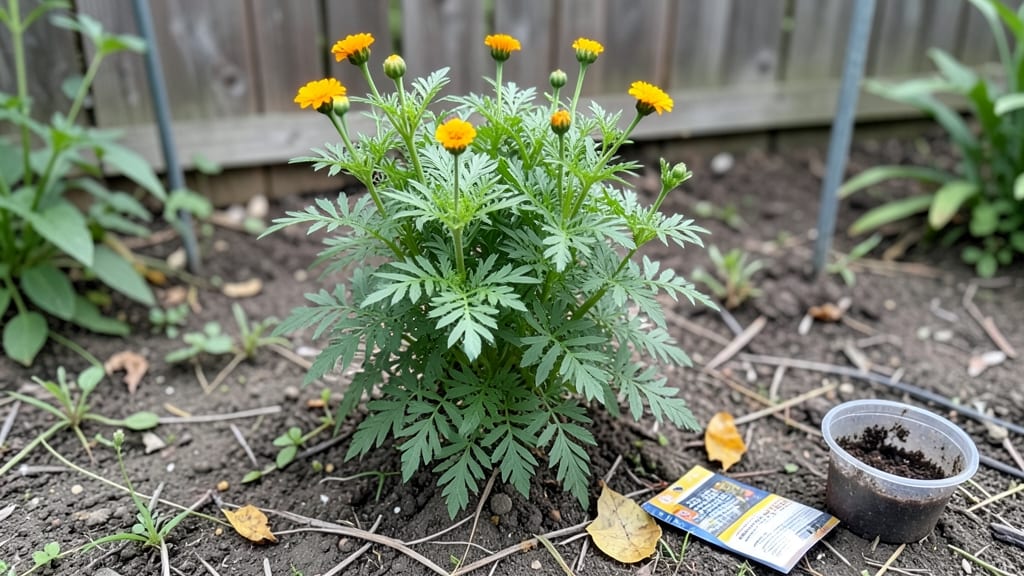
Growing Tagetes lucida seeds starts with a pinch of patience and a dash of sunshine—this Mexican mint marigold packs a fragrant punch that turns any garden corner into a sensory delight. 🌿 I’ve watched these tiny seeds transform into lush, lemon-scented plants that double as edible herbs and vibrant blooms, and the process is simpler than you’d think.
The secret lies in warm soil and bright light—think spring or early summer planting when temperatures stay above 60°F. You’ll need well-draining soil mixed with compost, a sunny spot (at least 6 hours of direct light daily), and consistent moisture without soggy roots.
Once sprouted, these seedlings grow fast, reaching 12-18 inches tall with a bushy, aromatic habit.
By midsummer, you’ll be snipping fresh leaves for teas or garnishes while admiring clusters of tiny yellow flowers that attract pollinators. The scent alone makes it worth growing—like a citrusy hug for your garden.
Just watch for aphids (they love these plants too) and pinch back leggy stems to encourage bushier growth.
Perfect for borders, containers, or even kitchen gardens—this dual-purpose plant thrives in USDA zones 9-11 but can be grown as an annual elsewhere. Start seeds indoors 4-6 weeks before last frost for a head start, or sow directly when soil warms up. Ready to turn those seeds into sun-soaked magic?
📚 In This Guide
- What you need
- Instructions
- Tips and common mistakes
- Wrapping up and next steps
What you need
- ● Tagetes lucida seeds: 5–10 seeds (or a small packet for beginners). Look for organic or heirloom varieties for the best flavor and aroma!
- ● Seed-starting trays or small pots: 2–4 (3–4 inches deep) with drainage holes. Plastic or biodegradable options work great.
- ● Well-draining potting mix: A high-quality seed-starting blend (avoid garden soil—it’s too dense!). Aim for 1–2 gallons per tray.
- ● Watering can or spray bottle: With a fine mist setting to keep seeds moist without overwatering.
- ● Clear plastic wrap or humidity dome: To create a mini greenhouse effect while seeds germinate.
- ○ Gloves (optional): To protect your hands from soil or seed residue.
- ● Plant labels: Small sticks or tags to mark seed trays (Tagetes lucida can look like other marigolds—avoid mix-ups!).
- ● Grow lights or sunny windowsill: A south-facing window or a 12–16 hour grow light (LED or fluorescent) for 6–8 weeks before transplanting.
- ○ Fertilizer (optional): A balanced, water-soluble fertilizer (5-5-5 or 10-10-10) for seedlings once they sprout 2–3 sets of true leaves.
- ○ Temperature: Ideal germination range is 70–80°F (21–27°C). Use a heat mat (optional) if your home runs cooler.
- ● Humidity: Keep soil consistently moist (not soggy!) during germination. Reduce humidity slightly once sprouts appear.
- ● Light: Seedlings need bright, indirect light from day one. Avoid direct sunlight until they’re hardened off.
Step-by-Step instructions for growing Tagetes lucida seeds
Here’s how to coax vibrant Mexican marigolds from delicate seeds—no green thumb required.
🌱 Step 1: Prepare Containers and Seed Starting Mix
Fill 4-inch diameter pots with sterile seed-starting mix—never garden soil, which can harbor fungal spores. I press the mix down lightly with my fingers until it’s firm but still crumbly. The goal is a surface that holds seeds in place without compacting roots. Tap each pot gently on the table to eliminate air pockets.
Tagetes lucida seeds are tiny, so I use a toothpick to place 1-2 seeds per pot at a depth of ¼ inch—any deeper and they’ll struggle to reach light. Cover them with a fine mist from a spray bottle, just enough to dampen the surface without creating a puddle. These seeds need moisture to germinate, but standing water will drown them before they sprout.
💧 Step 2: Create a Warm, Humid Environment
Tagetes lucida thrives in warmth, so I place the pots on a seedling heat mat set to 75-80°F. Without one, germination can take 2-3 weeks instead of the usual 7-10 days. Cover the pots with a clear plastic dome or wrap them in plastic wrap to trap humidity—these seeds need 80-90% humidity to sprout consistently.
Check daily for condensation on the dome. If it’s foggy, you’re golden; if it’s dry, mist the soil lightly. Avoid lifting the dome to peek—every time you do, you drop humidity and risk drying out the seeds. Patience here pays off: once you see tiny green cotyledons, remove the dome immediately to prevent damping-off.
☀️ Step 3: Provide Bright, Indirect Light
After germination, move seedlings to a south-facing window or under grow lights for 12-14 hours daily. Tagetes lucida detests leggy growth, so I keep the lights 2-3 inches above the plants and raise them weekly as the seedlings stretch. Without enough light, stems grow weak and pale—you’ll spot this when leaves space 2+ inches apart instead of staying compact.
Rotate the pots quarter-turn daily so seedlings grow straight, not leaning toward the light. Once they develop 2-3 sets of true leaves (not the initial cotyledons), they’re ready for fertilizer. I use a diluted liquid fertilizer (half-strength) to avoid burning tender roots. Over-fertilizing now will stunt growth—wait until they’re 3-4 inches tall before feeding.
🪴 Step 4: Transplant to Larger Pots or Garden
When seedlings reach 4-5 inches tall (about 6-8 weeks after sowing), transplant them to 6-inch pots or directly into the garden after the last frost. Tagetes lucida dislikes root disturbance, so I water the seedlings deeply the day before moving to keep roots pliable. Dig a hole twice as wide as the root ball and place the plant so the top of the root ball sits ½ inch below soil level—this prevents stem rot.
Fill the hole with soil, firm gently around the base, and water thoroughly to settle everything. Space plants 12-18 inches apart in the garden—they’ll spread as they mature. Mulch with 1-2 inches of organic mulch to retain moisture and suppress weeds. Avoid mulching too close to stems, or you’ll trap excess moisture and invite fungal issues.
✂️ Step 5: Maintain Through the Growing Season
Tagetes lucida blooms best with regular deadheading—pinch off spent flowers to encourage continuous blooming. I do this every 2 weeks or when 10% of flowers fade. Water deeply 1-2 times weekly, letting the soil dry 1-2 inches deep between waterings. Overwatering leads to yellowing leaves and weak stems—always check the soil before watering.
These marigolds love full sun (6+ hours daily) but tolerate partial shade if temperatures exceed 90°F. If leaves scorch or wilt, provide afternoon shade until they acclimate. By mid-summer, you’ll have fragrant, golden blooms that attract pollinators and repel pests—nature’s little helpers, all from those tiny seeds.
Tips & tricks for perfect Tagetes lucida seedlings
These precision tips will help you transform those delicate Tagetes lucida seeds into thriving, fragrant plants that'll brighten your garden all season.
Seed Placement Precision: In Step 1, when placing your 1-2 seeds per pot, use a toothpick to create a small divot in the soil—this ensures proper depth without guessing. The ¼-inch depth is critical: any deeper and they'll struggle to reach light, while shallower planting risks drying out. I like to mark the divot with a tiny pencil dot so I don't accidentally cover seeds too deeply.
Heat Mat Hack: For Step 2's 75-80°F requirement, I've found that placing pots on a seedling heat mat under fluorescent shop lights creates the perfect environment. The lights provide both warmth and light, and I monitor the temperature with a small digital thermometer tucked between pots. If your kitchen runs cooler, consider using a small space heater with a thermostat set to 78°F—just keep it at least 18 inches away from the pots to avoid hot spots.
Light Rotation Strategy: When you reach Step 3's 12-14 hours of light, implement this rotation system: mark each pot's position with a small piece of tape on the windowsill. Rotate them quarter-turn daily by moving them to the next marked position. This ensures even growth and prevents seedlings from stretching toward one light source. I also adjust the light height weekly—start with 2-3 inches above the tallest seedling and raise as they grow, maintaining that distance.
Transplant Timing Secret: For Step 4's 4-5 inch height requirement, I check for two additional signs before transplanting: first, the seedlings should have a sturdy stem that feels firm when gently squeezed (not mushy), and second, the leaves should be a vibrant green, not yellowing at the edges. These indicators show the plants are ready for the stress of transplanting. I've found that transplanting in the late afternoon gives roots several hours to settle before nightfall, improving survival rates.
Pro Tips for Tagetes Lucida Seeds
- These precision tips will help you transform those delicate Tagetes lucida seeds into thriving, fragrant plants that'll brighten your garden all season.
- Seed Placement Precision: In Step 1, when placing your 1-2 seeds per pot, use a toothpick to create a small divot in the soil—this ensures proper depth without guessing.
- Heat Mat Hack: For Step 2's 75-80°F requirement, I've found that placing pots on a seedling heat mat under fluorescent shop lights creates the perfect environment.
Frequently asked questions
Got questions about growing Tagetes lucida from seeds? You’re not alone! Here are answers to the most common queries to help you nurture these fragrant beauties with confidence.
How long does it take for Tagetes lucida seeds to germinate?
Germination typically takes 7–14 days in warm soil (65–75°F). Keep seeds moist but not soggy, and place them in bright, indirect light. If you’re impatient, a heat mat can speed things up by 2–3 days!
When is the best time to plant Tagetes lucida seeds?
Start seeds indoors 6–8 weeks before your last frost for a head start. For direct sowing, wait until soil temps reach 55°F+ (spring or early summer). In warm climates, you can plant year-round—but avoid winter frosts!
Why aren’t my Tagetes lucida seeds sprouting?
Check these fixes:
- Depth: Seeds need light—press them just below the soil surface (¼ inch max).
- Moisture: Keep soil consistently damp (not drenched).
- Temperature: Cold soil slows germination. Try a sunny windowsill or grow light.
- Freshness: Old seeds (over 1 year) may fail. Test viability by soaking a few in water—if they sink, they’re likely good!
Can I grow Tagetes lucida from cuttings instead of seeds?
Yes! Take 4–6 inch cuttings from healthy stems, strip lower leaves, and dip in rooting hormone. Plant in moist perlite or sand and keep humid (use a plastic bag or propagator). Roots form in 2–4 weeks—a faster method than seeds!
Are Tagetes lucida seeds toxic to pets or wildlife?
While non-toxic to humans, Tagetes lucida contains mild toxins (like pyrethrins) that may upset pets’ stomachs if ingested in large amounts. Keep plants out of reach of curious cats/dogs. Wildlife like bees and butterflies love them—just monitor quantities!
What’s the best companion plant for Tagetes lucida?
Pair it with basil, tomatoes, or marigolds to repel pests naturally. Avoid planting near fennel or dill, as they can stunt its growth. For culinary gardens, it thrives near herbs like cilantro or oregano!
Wrapping up and next steps
Growing Tagetes lucida seeds is a rewarding journey that brings fragrant, sun-loving blooms to your garden with minimal fuss! Whether you’re drawn to their citrusy scent, culinary uses, or vibrant foliage, these tiny seeds pack a big punch.
Now that you’re armed with the right knowledge—from soil prep to troubleshooting—it’s time to roll up your sleeves and plant those seeds!
🌱 Next step: Grab your supplies, follow the steps, and watch your Tagetes lucida thrive. Share your progress with fellow gardeners or experiment with creative uses—like flavoring teas or crafting potpourri. Happy growing! 🌿✨