Pruning
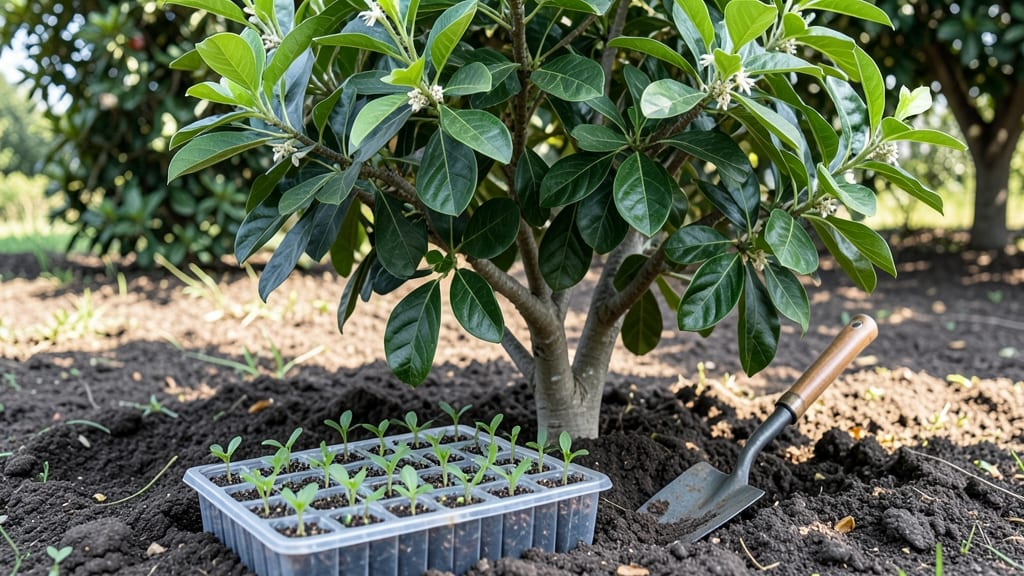
Growing tamarillo trees from seeds starts with a little winter magic called cold stratification—this simple step boosts germination rates from hit-or-miss to reliably lush. 🌱 I learned the hard way that skipping this process leaves you staring at a tray of stubborn seeds that refuse to wake up, no matter how much you water them.
The secret isn’t complicated: a few weeks in the fridge mimics the natural dormancy period these tropical seeds need to break through their tough outer shells.
You’ll need just three things to get started: fresh tamarillo seeds (the plumper, the better), a damp paper towel or peat moss, and a sealed plastic bag with tiny holes for airflow.
Most people overlook the moisture part—too dry, and the seeds won’t activate; too wet, and they’ll rot before they even sprout. The goal is to keep them damp like a wrung-out sponge, not soggy.
Once you’ve got that balance, pop the bag in the fridge for 4-6 weeks, checking on them every couple of weeks to make sure they’re still happy and hydrated.
After stratification, you’ll see tiny roots peeking out within 2-4 weeks of planting them in a well-draining seed-starting mix. These seedlings are delicate at first—think fine asparagus ferns rather than sturdy saplings—but they’ll toughen up fast with the right care.
The key is patience: tamarillos grow slowly at first, but once they hit 6 inches, they’ll shoot up like they’re in a race. That’s when you’ll know you’ve done it right, and the real adventure begins.
Now, here’s the thing about tamarillos: they love heat but hate humidity. If you’re in a cooler climate, don’t rush them outside—wait until nighttime temps stay above 55°F and harden them off gradually.
I’ve seen beginners rush this step, and their seedlings wilt faster than a houseplant left in a draft. Take your time, and you’ll have a thriving tamarillo tree that’ll reward you with vibrant orange fruit in just a few years.
📚 In This Guide
- What you need
- Instructions
- Tips and common mistakes
- Wrapping up and next steps
What you need
- ● Tamarillo seeds: Fresh, viable seeds (10–20 per batch for experimentation)
- ● Cold stratification setup: Small paper towel or dampened coffee filters (2–3 per batch)
- ● Ziploc bags or airtight containers (1–2)
- ● Refrigerator with a consistent 35–45°F (2–7°C) temperature
- ● Potting mix: Well-draining seed-starting mix (1 small tray or 4-inch pots)
- ● Planting containers: Biodegradable pots or seed trays (with drainage holes)
- ● Spray bottle: For gentle watering (avoid over-saturating seeds)
- ○ Heat mat (optional but helpful): To maintain soil warmth (70–80°F / 21–27°C) post-stratification
- ● Grow lights or sunny windowsill: 12–16 hours of light daily after germination
- ● Seed germination kit: Pre-packaged cold stratification kits (saves time)
- ● Humidity dome: To retain moisture during early growth
- ● pH testing kit: Ensure your soil is slightly acidic (pH 6.0–6.8)
- ● Fertilizer (low-dose): Balanced 5-5-5 or organic compost tea for young seedlings
- ● Journal/notebook: Track stratification dates, germination progress, and soil conditions
Step-by-step instructions for germinating tamarillo tree seeds
Cold stratification is the key to breaking dormancy—here’s how to do it right for tamarillo seeds.
🌱 Step 1: Extract and Clean the Seeds
Remove the seeds from the tamarillo fruit by slicing it open and scooping out the gel-like pulp. Rinse the seeds under cool water to remove any remaining fruit residue. Tamarillo seeds have a hard outer shell, so we need to soften it before stratification. Place the seeds in a bowl of lukewarm water for 24 hours—this helps loosen the seed coat and speeds up the process later.
After soaking, gently rub the seeds between your fingers or with a soft cloth to remove any remaining pulp. This step is crucial because leftover fruit can attract mold during stratification. Once clean, let them air-dry on a paper towel for 1-2 hours until they feel slightly damp but not wet. You’ll see the seeds darken slightly as they dry—this is normal and a good sign they’re ready for the next step.
💧 Step 2: Prepare the Stratification Mix
Fill a small container (like a shallow tray or plastic bag) with a mix of 50% moist peat moss and 50% perlite. The peat moss should be damp enough to hold together when squeezed but not dripping. This mix provides the right balance of moisture and aeration for the seeds during their 8-12 week cold period. Avoid using garden soil—it’s too dense and can suffocate the seeds.
Spread the mix evenly in the container, leaving about ½ inch of space at the top. Tamarillo seeds are small, so you can plant them ½ inch deep and 1 inch apart. If you’re using a plastic bag, place the seeds on top of the mix and fold the bag closed, squeezing out excess air before sealing. This creates a mini greenhouse effect while still allowing cold stratification to work.
⏰ Step 3: Cold Stratify for 8-12 Weeks
Place the container in a refrigerator (not the freezer) where temperatures stay between 35-45°F. This mimics the natural winter chilling period tamarillo seeds need to break dormancy. Check the mix every 2-3 weeks—it should stay moist but not soggy. If it feels dry, lightly mist with water and return it to the fridge immediately. Overwatering here can lead to mold, so less is better.
Patience is key. You won’t see any signs of germination yet, but the seeds are actively preparing to sprout. After 8-12 weeks, remove the container from the fridge and place it in a warm, bright spot (like a sunny windowsill or under a grow light). Keep the mix consistently moist but not waterlogged. Germination can take 2-4 weeks after stratification ends—watch for tiny green sprouts pushing through the soil.
☀️ Step 4: Transplant Seedlings After Germination
Once the seedlings reach about 2-3 inches tall and have their first true leaves (not the tiny seed leaves), it’s time to transplant them into individual pots. Use a lightweight potting mix designed for seedlings, and fill small pots (about 3-4 inches wide) to just below the rim. Gently remove the seedlings from the stratification mix, being careful not to damage the delicate roots.
Plant each seedling ½ inch deeper than it was in the stratification container—this helps stabilize the stem. Water lightly after transplanting to settle the soil, but avoid overwatering. Place the pots in bright, indirect light for the first week to help them adjust. After that, gradually introduce more direct sunlight to strengthen the young plants. You’ll see new growth within 1-2 weeks if they’re thriving.
Tips & tricks for germinating tamarillo tree seeds
Here's what I learned after struggling with inconsistent germination—these tricks make all the difference.
Soaking Secret: That 24-hour lukewarm water soak in Step 1 isn't just about cleaning—it's the first critical step in breaking the seed coat. I used to skip this and wondered why germination rates were low. The warm water helps soften the hard shell while preventing the seeds from absorbing too much moisture too quickly. After soaking, I always check for any remaining pulp—even tiny bits can cause mold during stratification. If you notice any sliminess, give them an extra rinse.
Stratification Mix Wisdom: The 50/50 peat moss and perlite mix in Step 2 is non-negotiable for tamarillo seeds. I tried using regular potting soil and ended up with moldy seeds after just 3 weeks. The perlite creates essential air pockets while the peat moss retains moisture. When mixing, squeeze a handful—it should hold together but not drip water. If it feels too dry, add a few drops of water; if it's dripping, add more perlite. This balance is what keeps seeds happy during their 8-12 week cold period.
Temperature Matters: That 35-45°F range in your fridge is crucial—any warmer and the seeds won't break dormancy properly. I learned this the hard way when I used a basement that was consistently 50°F, and germination took twice as long. If your fridge runs hot, place the container on the bottom shelf where it's coolest. And remember, this isn't about freezing—never use your freezer! The seeds need consistent cold, not fluctuating temperatures that can shock them.
Transplanting Timing: When your seedlings reach 2-3 inches in Step 4, don't rush the transplant. I made the mistake of moving mine too soon, and their delicate roots broke easily. Wait until you see those first true leaves (the second set that look different from the initial seed leaves). Also, that extra ½ inch depth when transplanting makes a huge difference—it helps anchor the young stems and prevents them from toppling over as they grow. Use a pencil to make small holes for the roots if the soil feels compacted.
Pro Tips for Tamarillo Tree Seeds
- Here's what I learned after struggling with inconsistent germination—these tricks make all the difference.
- Soaking Secret: That 24-hour lukewarm water soak in Step 1 isn't just about cleaning—it's the first critical step in breaking the seed coat.
- Stratification Mix Wisdom: The 50/50 peat moss and perlite mix in Step 2 is non-negotiable for tamarillo seeds.
Frequently asked questions
Got questions about tamarillo tree seeds? You’re not alone—germination can feel tricky! Here are answers to the most common queries to help you grow your tamarillo tree with confidence.
Do tamarillo seeds need cold stratification, and how long?
Yes! Tamarillo seeds thrive with cold stratification (60–90 days in the fridge) to mimic winter conditions. Place them in a damp paper towel, seal in a bag, and store at 35–40°F (2–4°C). This breaks dormancy, boosting germination rates from 30% to 80%+.
How long does it take for tamarillo seeds to germinate?
After stratification, germination typically takes 2–6 weeks in warm, moist soil (70–80°F or 21–27°C). Patience is key—some seeds may take up to 3 months. Keep soil consistently damp (not soggy) and use a humidity dome to speed things up.
What’s the best temperature for germinating tamarillo seeds?
Ideal germination temps are 70–80°F (21–27°C). Use a seedling heat mat if your home runs cooler. Avoid extremes—below 60°F (15°C) slows growth, while above 85°F (29°C) can cause rot. A sunny windowsill or grow light works great!
Can I grow tamarillos from store-bought fruit seeds?
Store-bought tamarillo seeds work, but freshness matters. Seeds from recently ripened fruit (within 1–2 weeks) germinate best. If seeds are dried or old, soak them in warm water for 24 hours before stratification to revive viability.
Why aren’t my tamarillo seeds sprouting?
Common culprits:
- Incomplete stratification: Double-check fridge time (60+ days).
- Poor moisture: Seeds need consistent dampness—don’t let soil dry out.
- Temperature issues: Too cold? Move to a warmer spot. Too hot? Use a cooling mat.
- Old seeds: Tamarillo seeds lose viability after 1–2 years.
Wrapping up and next steps
Growing tamarillo trees from seeds is a rewarding journey, and with the right cold stratification techniques, you’ll unlock their full potential! 🌱 Remember, patience and consistency are key—whether you’re prepping seeds, monitoring moisture, or nurturing seedlings, each step brings you closer to a thriving tree.
Now that you’re armed with this blueprint, why not take the next step? Grab your seeds, gather your supplies, and start your tamarillo adventure today—your future harvest of vibrant fruit awaits!