Vegetables
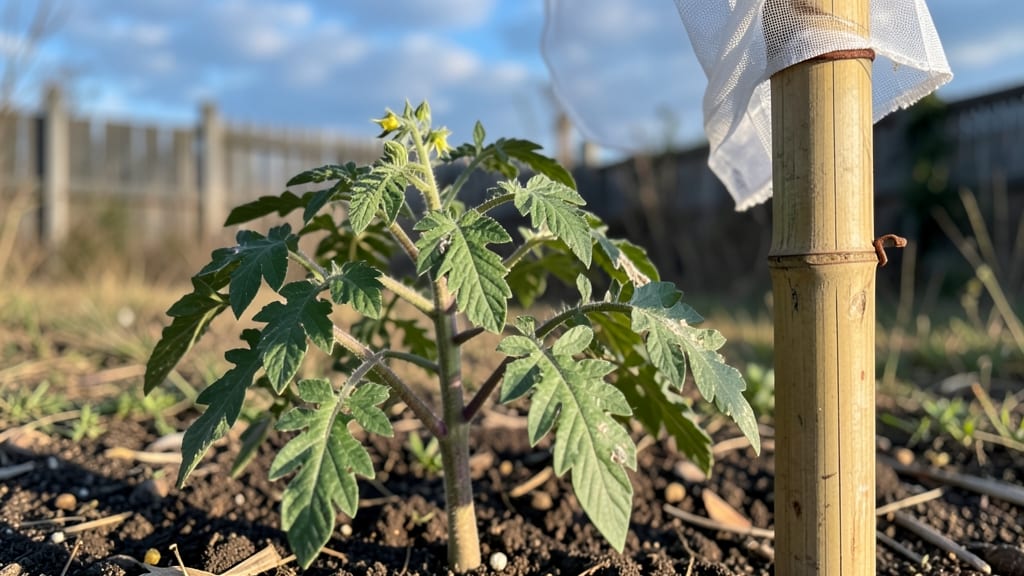
The heartbreaking sight of tomato seedling sunburn—leaves turning crispy and brown before they even make it to the garden—is every plant parent’s nightmare, especially after weeks of tender care indoors. 🌱 hours, and it always happens the same way: too much sun, too fast.
The good news? This problem has simple fixes that work every time, whether you’re hardening off seedlings or moving them straight to the garden.
Sunburn happens when tender seedlings can’t handle direct sunlight after being sheltered indoors. You’ll spot it as white or yellow patches on leaves, wilting stems, or leaves that look like they’ve been singed by a blowtorch.
The damage isn’t always permanent—if caught early, seedlings can bounce back—but prevention is the real game-changer. A little shade cloth, proper spacing, and gradual sun exposure can save your entire crop before it even starts.
Here’s the fix: start with partial shade for the first week outside, then slowly increase sun exposure over 7-10 days. Prune any badly damaged leaves to help the plant focus on new growth, and keep soil consistently moist to reduce stress.
Within 3-5 days of proper care, you’ll see fresh green leaves pushing out, and your seedlings will be ready to thrive in full sun. The key is patience—rushing leads to regret, but doing it right means a bountiful harvest ahead.
This works for any climate—just adjust the hardening-off timeline based on your local weather. If you’re in a hot zone, start shade earlier; if it’s cooler, you might skip it entirely.
The goal is to match the seedlings’ strength to the sun’s intensity, and once you master it, you’ll never lose a batch to sunburn again.
When Sun Becomes Too Much
Tomato seedlings are delicate little powerhouses, and while they crave sunlight to grow strong, too much of a good thing can turn their leaves into crispy, sunburnt messes.
Understanding why this happens is the first step to protecting your plants. Let’s break down the science behind scorched seedlings and what triggers this common (but preventable) issue.
Sunlight contains ultraviolet (UV) rays, which are invisible but powerful. When tomato seedlings are exposed to direct, high-intensity sunlight—especially during peak hours (10 AM to 4 PM)— their thin, tender leaves absorb more UV radiation than they can handle.
This causes oxidative stress, where free radicals damage plant cells faster than the seedling can repair them.
Think of it like a human getting a sunburn after too much time at the beach without sunscreen. The seedlings’ chlorophyll (the green pigment responsible for photosynthesis) breaks down, leading to:
- White or bleached patches on leaves, where cells die from UV damage.
- Brittle, papery texture as the leaf structure weakens.
- Stunted growth because the seedling diverts energy to repair damage instead of growing.
💡 Pro Tip: Young seedlings have less protective wax coating on their leaves than mature plants, making them even more vulnerable. If you’re growing in a greenhouse or hot climate, shade cloth can reduce UV exposure by up to 50%.
Seedlings started indoors or in shaded conditions often suffer from transplant shock when suddenly moved to full sun. Their leaves aren’t hardened enough to handle the outdoor intensity, leading to rapid sunburn.
This is especially true for:
- Slow-germinated seedlings (e.g., heirloom varieties) that spend extra time indoors.
- Young plants under 4–6 weeks old with underdeveloped root systems.
- Seedlings hardened off too quickly—rushing the transition from shade to sun.
The result? Leaves that wilting, yellowing, or turning brown within hours of exposure, as the plant struggles to adjust its photosynthetic machinery to the new light levels.
🌡️ Key Stat: Studies show seedlings acclimated gradually (with 1–2 hours of sun per day over 5–7 days) have 30% fewer sunburn cases than those moved abruptly to full sun. Here’s how to do it right.
Sunburn doesn’t happen in a vacuum—other factors can make seedlings even more susceptible to UV damage. Common culprits include:
| Factor | How It Worsens Sunburn | Solution |
|---|---|---|
| High Temperatures (above 85°F/29°C) | Heat increases transpiration (water loss), drying out leaves and reducing their ability to dissipate UV damage. | Use drip irrigation or mulch to keep soil cool. |
| Low Humidity (common in greenhouses or arid climates) | Dry air makes leaves more permeable to UV rays, like a cracked windshield letting in more heat. | Mist seedlings early morning or use a humidity dome. |
| Nutrient Deficiencies (lack of nitrogen or magnesium) | Weak leaves have less chlorophyll, so they absorb more UV radiation without protection. | Fertilize with a balanced 10-10-10 or seaweed extract before transplanting. |
| Wind Exposure (e.g., near open fields or fans) | Wind dries leaves faster, reducing their natural sunscreen-like wax layer. | Plant near windbreaks or use row covers temporarily. |
✨ Remember: A seedling under multiple stressors (e.g., heat + wind + full sun) will burn 2–3x faster than one with only one issue. Addressing these factors before transplanting is critical.
Now that you know the why, the next step is how to shield your seedlings without sacrificing their sunlight needs. Stay tuned!
Fixing Scorched Seedlings Fast
Sunburned tomato seedlings can look dire, but with the right approach, you can nurse them back to health—and even prevent future damage. Below, we break down cause-specific fixes, so you can act quickly and protect your plants. Think of this as your emergency repair guide for sun-stressed seedlings!
Problem: Seedlings left in harsh midday sun (especially in hot climates or low-light setups) develop crispy, white or yellow patches.
How to Fix It:
- Move to Partial Shade 🌳
- Relocate seedlings to a spot with morning sun + afternoon shade (e.g., under a sheer cloth or dappled tree canopy).
- Use a lightweight shade cloth (30-50%) if outdoor temps exceed 85°F (29°C). Secure it with clips or stakes to avoid crushing stems.
- Hardening Off Gradually 🌱
- If seedlings are too young for direct sun, harden them off over 7–10 days:
- Day 1–3: 1–2 hours of morning sun.
- Day 4–7: 3–4 hours, adding afternoon shade.
- Day 8+: Full sun tolerance (if no further burn occurs).
- If seedlings are too young for direct sun, harden them off over 7–10 days:
- Hydrate & Cool Down 💧
- Water deeply at soil level (avoid wetting leaves) to help roots absorb moisture and cool the plant.
- Mist leaves early in the morning with room-temperature water to reduce heat stress.
Prevention Tip: 💡 Start seedlings indoors or in a greenhouse if your climate has intense sun. Even a simple DIY hoop house with plastic sheeting can save them!
Problem: Stagnant heat (e.g., in greenhouses or plastic domes) traps moisture, leading to sunburn-like wilting or yellowing.
How to Fix It:
- Improve Airflow 🌬️
- Open vents, remove plastic domes, or use a small fan on low speed (1–2 mph) to circulate air without stressing delicate leaves.
- Place seedlings 2–3 inches apart to reduce competition for airflow.
- Lower Soil & Air Temps ❄️
- Soak containers in water for 10–15 minutes to cool roots.
- Move pots to a shaded, breezy area (e.g., a porch with afternoon shade).
- For greenhouse growers: Paint the inside white to reflect heat or use aluminum foil on the roof to deflect sunlight.
- Adjust Watering 🚰
- Avoid overhead watering (it raises leaf temps). Instead, use a drip irrigation system or water at the base.
- If soil feels dry 1 inch below the surface, water thoroughly—but let excess drain to prevent root rot.
Prevention Tip: ✨ Use black or dark-colored pots in hot climates—they absorb heat and warm roots faster, but monitor temps closely!
Problem: Seedlings competing for space or nutrients may have thin, pale stems that sunburn more easily.
How to Fix It:
- Thin Seedlings ✂️
- Remove weak or leggy seedlings, leaving the strongest 1–2 per pot (or 6–12 inches apart in garden beds).
- Snip at soil level with clean scissors to avoid damaging roots.
- Fertilize Lightly 🌱
- Use a balanced, water-soluble fertilizer (5-5-5 or 10-10-10) at half-strength to boost recovery.
- Avoid high-nitrogen fertilizers—they promote leafy growth but weaken stems.
- Support Stems 🪑
- If seedlings flop over, stake them with toothpicks or small bamboo sticks to improve airflow around leaves.
Prevention Tip: 🎯 Start with larger seedling trays (2–3 inches deep) or biodegradable pots to reduce transplant shock and overcrowding!
Once your seedlings recover, proactively shield them from future sunburn:
- Gradual Sun Exposure: Increase sunlight by 1 hour per day over 2 weeks before full sun.
- Mulch Heavily: Apply 2–3 inches of straw or grass clippings around the base to keep roots cool.
- Choose Heat-Tolerant Varieties: Try ‘Solar Fire,’ ‘Heatmaster,’ or ‘Arkansas Traveler’ tomatoes—they handle sun better!
Quick Recap Table:
| Cause | Immediate Fix | Prevention Tip |
|---|---|---|
| Direct Sun Exposure | Move to shade, harden off gradually | Use shade cloth in peak sun hours |
| Heat Trapping | Improve airflow, cool soil | Ventilate greenhouses, avoid plastic domes |
| Overcrowding | Thin seedlings, fertilize lightly | Start in larger pots or spaced beds |
Frequently asked questions
Why do my tomato seedlings get sunburned so fast?
Young tomato seedlings have delicate leaves with less protective wax coating than mature plants. When exposed to intense sunlight—especially during peak hours (10 AM–4 PM)—their thin cells absorb too much UV radiation, causing oxidative stress. This is like getting a sunburn without sunscreen!
Can I save a seedling with sunburned leaves?
Yes! Prune any severely damaged leaves to reduce stress on the plant. Move it to partial shade, water deeply at the base, and avoid wetting burned leaves. Within 3–5 days, new growth should emerge if the roots are healthy. Avoid fertilizing until recovery is underway.
How long should I harden off seedlings before transplanting?
Gradual hardening takes 7–10 days. Start with 1–2 hours of morning sun on day one, then increase by 1–2 hours daily. By day 7, they should tolerate 4–6 hours of sunlight without burning. Skip this step, and you risk permanent damage.
Is shade cloth better than natural shade for seedlings?
Shade cloth (30–50% coverage) is ideal because it provides consistent protection while still allowing light penetration. Natural shade (like under trees) can vary in intensity, but cloth gives you control over UV exposure. For hot climates, use 50% shade cloth during peak sun hours.
Will mulching help prevent sunburn in my tomato seedlings?
Mulching indirectly helps by keeping soil cooler and reducing water stress, but it won’t stop sunburn directly. For best results, combine mulch with shade cloth or gradual sun exposure. Focus mulch around the base to protect roots, not the leaves themselves.