Pruning
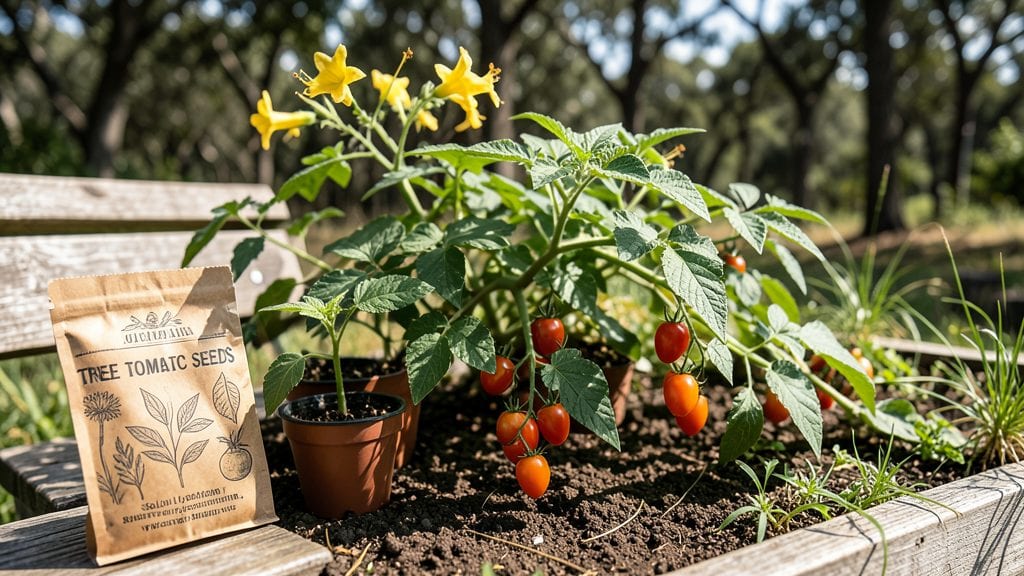
Tree tomato seeds need a little extra care to thrive next season, and drying them properly is the first step to a vibrant harvest that rivals anything you’ve grown before.
I’ve saved seeds from my own plants for years, and the key isn’t just letting them dry—it’s doing it the right way to keep their viability high. The process is simpler than you’d think, and once you master it, you’ll never buy seeds again.
Start by selecting the ripest, firmest tree tomatoes from your harvest—these are the ones packed with the best seeds. Once you’ve scooped out the gel-like interior, spread the seeds in a single layer on a paper towel or mesh screen in a warm, dry spot.
A sunny windowsill works perfectly, and within a week, they’ll be ready to store. The goal is to let them dry completely so they won’t mold in storage, but not so long that they lose their ability to sprout.
When stored in a cool, dark place in an airtight container, these seeds can last for years—giving you a head start on next year’s garden without the guesswork. You’ll end up with plants that grow faster, produce more fruit, and resist common pests better than store-bought varieties.
The best part? You’ll save money and enjoy the satisfaction of growing something truly special from seeds you nurtured yourself.
Whether you’re a seasoned gardener or just starting out, this method works for any climate. Just remember: patience is key, and a little extra care now means a bountiful harvest later. Let’s get those seeds ready for planting!
📚 In This Guide
- What you need
- Instructions
- Tips and common mistakes
- Wrapping up and next steps
What you need
- ● Mature tree tomatoes: 4–6 fully ripe, healthy fruits (ensure they’re soft, slightly wrinkled, and deep purple/red).
- ● Sharp knife or pruning shears: 1 (for slicing open the fruit—sterilize with rubbing alcohol first!).
- ● Paper towels or clean cloth: 2–3 sheets (for drying seeds).
- ● Small bowls or containers: 2–3 (for separating pulp and seeds).
- ● Fine-mesh strainer or sieve: 1 (to rinse seeds gently).
- ● Rubbing alcohol (70% or higher): 1 small bottle (for sterilizing tools).
- ● Labeling markers or tags: 2–3 (to mark seed containers).
- ● Air-tight storage containers: 1–2 (small jars, envelopes, or resealable bags with silica gel packs).
- ● Desiccant packets: 1–2 (for extra moisture control in storage).
- ● Small fan or dehumidifier: 1 (if drying seeds in a humid climate).
- ● Notebook: 1 (to log harvest date, variety, and storage conditions).
- ● Plastic zip-top bags: 1–2 (for initial seed rinsing, if preferred over a strainer).
Step-by-Step instructions for harvesting, drying, and storing tree tomato seeds
Preserving your own tree tomato seeds ensures you’ll have next year’s harvest ready to go.
Select and Harvest Ripe Tree Tomatoes
Pick fully ripe tree tomatoes that are deep orange or red—these will yield the most viable seeds. The fruit should feel slightly soft when gently squeezed, like a ripe avocado. Avoid any with bruises or signs of pest damage, as these can compromise seed quality.
Cut the fruit open with a clean knife and scoop out the gel-like pulp along with the seeds. Place the pulp and seeds in a small bowl. You’ll notice the seeds are embedded in the pulp, which is normal. This gel actually helps protect the seeds during storage.
Ferment the Seeds to Remove Gelatinous Coating
Leave the pulp and seeds in the bowl uncovered at room temperature for 3-5 days. This fermentation process breaks down the gel and helps separate viable seeds from the pulp. Stir the mixture gently once a day to prevent mold growth.
After 3-5 days, you’ll see the good seeds sink to the bottom while the remaining pulp and debris float to the top. The mixture will also develop a slightly sour smell—this is normal and indicates fermentation is working. Once the seeds sink, carefully pour off the liquid and rinse the seeds with clean water.
Clean and Dry the Seeds Thoroughly
Spread the rinsed seeds out on a clean, dry paper towel or a seed drying tray. Make sure they’re in a single layer with no overlapping. Place the tray in a warm, dry, and well-ventilated area away from direct sunlight. Good airflow is key to preventing mold.
Allow the seeds to dry for 7-10 days until they’re completely dry and brittle to the touch. You’ll know they’re ready when they break easily between your fingers. Store them in a sealed container only after they’re fully dry—any moisture left will cause them to spoil.
Store Seeds in a Cool, Dry Place
Once fully dry, transfer the seeds to a small, airtight container like a glass jar or envelope. Label the container with the variety name and the date of harvest. Store it in a cool, dark place, such as a pantry or refrigerator, where the temperature stays between 40-50°F.
Seeds stored this way should remain viable for 2-3 years, though germination rates may decline over time. Check the seeds annually to ensure they haven’t absorbed moisture or developed mold. Properly stored seeds will keep their vigor for next year’s planting.
Tips & tricks for perfect tree tomato seed preservation
Preserving tree tomato seeds properly takes patience and attention to detail—but these little tricks will help you avoid common pitfalls and maximize seed viability.
Step 1 Selection Matters: When picking your tree tomatoes in Step 1, focus on those that are fully ripe and slightly soft to the touch. If you choose tomatoes that are too firm, the seeds inside may not be fully developed. I've found that tomatoes with a deep orange or red hue yield the most viable seeds, so keep an eye out for those vibrant colors. This step is crucial because underripe tomatoes can lead to poor germination rates later.
Fermentation Timing: During the 3-5 day fermentation in Step 2, resist the urge to rush the process. The fermentation breaks down the gel surrounding the seeds, which is essential for separating viable seeds from the pulp. Stirring the mixture gently once a day helps prevent mold growth, but be careful not to over-stir, as this can introduce contaminants. The sour smell you'll notice is normal and indicates the fermentation is working properly—don't be alarmed by it.
Drying Conditions: In Step 3, creating the right drying environment is key. Place your seed drying tray in a warm, well-ventilated area away from direct sunlight. I've had the best results using a small fan to gently circulate air around the seeds, which helps speed up the drying process while preventing mold. The seeds are ready when they become brittle and break easily between your fingers—this usually takes about 7-10 days, but don't rush it. Proper drying is what ensures your seeds will stay viable for years to come.
Storage Strategy: Once your seeds are fully dry, store them in a cool, dark place like a pantry or refrigerator where the temperature stays between 40-50°F. I recommend using small, airtight containers like glass jars or envelopes to keep out moisture. Labeling your containers with the variety name and harvest date is a game-changer—it saves you from mixing up seed varieties and helps you keep track of how long they've been stored. Checking your seeds annually ensures they haven't absorbed moisture or developed mold, which could compromise their viability.
Pro Tips for Tree Tomato Seeds
- Preserving tree tomato seeds properly takes patience and attention to detail—but these little tricks will help you avoid common pitfalls and maximize seed viability.
- Step 1 Selection Matters: When picking your tree tomatoes in Step 1, focus on those that are fully ripe and slightly soft to the touch.
- Fermentation Timing: During the 3-5 day fermentation in Step 2, resist the urge to rush the process.
Frequently asked questions
Got questions about saving and storing tree tomato seeds? You’re not alone! Here are answers to the most common concerns—so you can confidently prep for next year’s harvest.
How do I know when tree tomato seeds are fully dry and ready to store?
Seeds are ready when they’re completely hard and brittle—no moisture left! After scooping them from the pulp, spread them on a paper towel in a single layer for 5–7 days in a warm, dry spot (like a sunny windowsill). Stir them daily. If they crackle when pressed, they’re good to go!
What’s the best way to store tree tomato seeds long-term?
Store seeds in an airtight container (like a glass jar or resealable bag) with a damp paper towel to maintain humidity. Keep them in a cool, dark place (like a fridge) for up to 2 years. Label the container with the harvest date—freshness matters!
Can I use store-bought tree tomatoes for seeds, or do I need homegrown?
Store-bought tree tomatoes are usually hybrid varieties, meaning seeds may not grow true to the parent plant. For consistent results, save seeds from homegrown or heirloom varieties. If you’re unsure, ask the vendor!
What should I do if my stored seeds sprout mold or smell bad?
Discard them immediately! Mold or foul odors mean the seeds are contaminated. Always store seeds in a dry, sterile environment and check periodically. If you suspect moisture issues, transfer seeds to a new container with fresh silica gel packets.
How do I test if my stored seeds are still viable?
Do a quick paper towel germination test: Moisten a paper towel, place 10 seeds on it, fold, and seal in a plastic bag. Keep it warm (70–80°F) for 5–7 days. If 50% or more sprout, your seeds are good to plant!
Wrapping up and next steps
Growing tree tomatoes from seeds is a rewarding journey that connects you to nature while yielding delicious, nutritious fruit.
By mastering the art of drying and storing your seeds, you’re not just preserving a harvest—you’re securing a future full of flavor and abundance. Now’s the time to take action: gather your seeds, follow the steps, and let next year’s garden thrive with the vibrant promise of homegrown tree tomatoes! 🌱✨
Ready to dive in? Start today—your future harvest (and taste buds) will thank you!