
Lawn
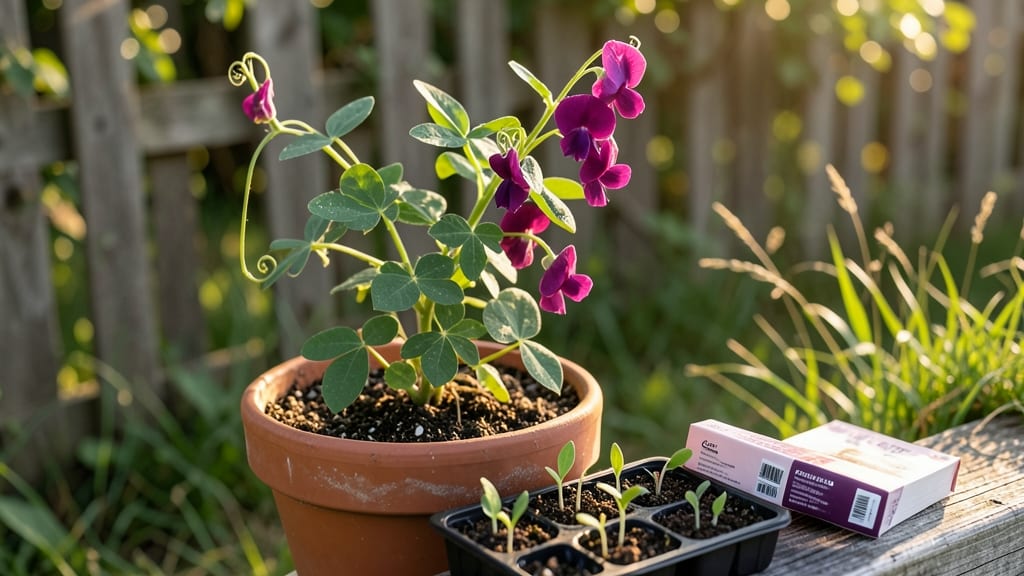
Those mysterious seed packages arriving in your mailbox aren’t junk—they’re a gardener’s hidden treasure. 🌱 I’ve received dozens of unsolicited seed packets over the years, and every one has sparked a new garden experiment, from heirloom tomatoes to wildflowers I’d never tried before.
First, check for any fine print—some brands include care instructions or growing tips inside. If the seeds look old or questionable, compost them instead of planting. But many of these surprise packets contain viable seeds from reputable companies, so don’t toss them without a second look.
The key is balancing curiosity with caution, especially with invasive species or unknown varieties.
You’ll end up with unexpected blooms or veggies that might become garden favorites. I’ve grown everything from delicate nasturtiums to hardy sunflowers from these freebies, and the best part?
You’re supporting gardeners who share seeds as a way to connect with others. Just keep an eye on local regulations—some areas restrict planting certain species.
For the cautious gardener, start with a small test batch in pots before committing to your main garden. If you’re unsure about a seed’s origin, reach out to local extension offices—they often have resources for identifying unknown varieties. Happy planting!
📚 In This Guide
- What you need
- Instructions
- Tips and common mistakes
- Wrapping up and next steps
What you need
- ● Unsolicited seed packages: 1–10+ (check for variety—some may be duplicates or weeds!)
- ● Seed-starting trays or pots: 5–20 (biodegradable or plastic, 2–4" deep)
- ● Seed-starting mix: 1–2 bags (sterile, peat-based or coconut coir blend)
- ● Watering can or spray bottle: 1 (with a fine mist nozzle for gentle watering)
- ● Plastic wrap or humidity dome: 1 sheet or 1–2 domes (to retain moisture)
- ● Grow lights or sunny windowsill: 1–2 (LED grow lights or a south-facing window)
- ● Labels & markers: 1 pack (to track mystery seeds—trust us, you’ll forget!)
- ● Heating mat: 1 (for cold climates, speeds up germination)
- ● Fertilizer (balanced or organic): 1 small bottle (for transplanting)
- ● Tweezers or toothpicks: 1 pair (for delicate seed handling)
- ● Garden journal: 1 (to log growth progress and guesses on seed IDs!)
- ● Outdoor space or larger pots: 1–2 (for transplanting once seedlings sprout)
How to legally grow plants from unsolicited seed packets
Turn those mystery seed mailers into a thriving garden—here's the ethical, step-by-step method.
🌱 Step 1: Identify and Research the Seeds
Start by examining the packet closely for any printed information—many unsolicited seeds include variety names, growing instructions, or even barcodes. Take clear photos of both sides before opening. I always search the variety name plus "germination requirements" to uncover light, temperature, and soil preferences.
If no details appear, test germination by placing 3-4 seeds in a damp paper towel. Seal in a plastic bag and store in a warm spot. You'll see sprouts in 3-10 days—this confirms viability. Avoid planting unknown seeds outdoors until you've verified they're non-invasive (some "free" seeds are aggressive weeds).
💧 Step 2: Prepare Containers and Germination Setup
Use small 2-3 inch deep pots or a seed tray with drainage. Fill with sterile seed-starting mix (never garden soil—it can harbor diseases). Moisten until damp but not soggy, then create shallow furrows ¼ inch deep—about the width of a pencil tip.
Plant 2-3 seeds per pot spaced ½ inch apart to account for potential germination failure. Cover lightly with additional mix, then mist gently with water. Place in a warm spot (70-80°F) like on top of a fridge or near a heat vent. You'll see first sprouts in 5-14 days, depending on the seed type.
☀️ Step 3: Provide Optimal Light and Care
Once seedlings emerge, move them to bright, indirect light immediately. A south-facing window works for most varieties, but supplement with a grow light if stems appear leggy (stretched and pale). Keep lights 2-4 inches above plants and provide 14-16 hours of light daily.
Water from below by placing pots in a tray of ½ inch of water for 10 minutes, then drain excess. This prevents fungal diseases that often kill young seedlings. Thin to the strongest seedling per pot when they develop 2 true leaves—use clean scissors to avoid disturbing roots.
🌿 Step 4: Transplant and Monitor Growth
After 4-6 weeks when seedlings have 3-4 sets of leaves, transplant to individual 4-inch pots or directly into the garden (if frost-free). Harden off by gradually increasing outdoor exposure over 7-10 days—start with 1 hour daily in partial shade, then increase.
Watch for signs of stress: yellowing leaves mean overwatering, while crispy edges signal underwatering. Unknown seeds may behave unpredictably—some grow aggressively while others produce tiny, unexpected flowers. Keep a garden journal to track varieties and their growth patterns.
✂️ Step 5: Harvest and Share Responsibly
When plants mature, harvest seeds only from verified non-invasive species. Collect seeds by enclosing flower heads in paper bags and letting them dry completely on the plant. Store in airtight containers with silica gel packets to maintain viability for 1-2 years.
Share surplus seeds with fellow gardeners or donate to seed libraries—but never release unknown varieties into wild areas. This preserves biodiversity while keeping your garden thriving. You'll likely discover new favorites among the mystery packets!
Tips & tricks for perfectly growing plants from unsolicited seed packets
These insider tricks will help you turn mystery seed mailers into thriving plants without the guesswork.
Germination Test First: Before planting, always test germination with 3-4 seeds in a damp paper towel. The 3-10 day window gives you critical information about viability and expected growth rate. I've planted seeds that never sprouted in this test—saving me from wasting time and soil. This step also helps you identify fast-sprouting varieties that might need special care.
Temperature Control: Maintain that 70-80°F range consistently during germination. I keep my seed trays on top of the fridge or near a heat vent—these spots stay reliably warm. If your home runs cooler, consider using a seedling heat mat ($15 at garden centers) for faster, more reliable sprouting. The difference between 65°F and 75°F can mean the difference between success and failure for some varieties.
Lighting Strategy: That 14-16 hours of light daily is non-negotiable for strong seedlings. I use a simple LED grow light (2-4 inches above plants) on a timer—this prevents leggy growth that happens when seedlings stretch toward weak light. Natural south-facing windows work for the first week, but supplement with artificial light as soon as you notice stems elongating more than doubling in height.
Harden Off Gradually: The 7-10 day hardening process is where most beginners rush and lose plants. Start with just 1 hour daily in partial shade, then increase by 30 minutes each day. I place my seedlings on a shaded patio or under a tree—direct sun can scorch tender leaves. Watch for wilting as your indicator; if leaves droop but perk up after a few minutes, they're ready for more sun exposure.
Pro Tips for Unsolicited Seed Packages
- These insider tricks will help you turn mystery seed mailers into thriving plants without the guesswork.
- Germination Test First: Before planting, always test germination with 3-4 seeds in a damp paper towel.
- Temperature Control: Maintain that 70-80°F range consistently during germination.
Frequently asked questions
Got questions about those mysterious unsolicited seed packages? You’re not alone! Here are some of the most common concerns—and their answers—to help you navigate this gardening goldmine with confidence.
Are unsolicited seed packages actually legal?
Yes! While sending mail without permission can be illegal, seed packages are often exempt under agricultural exemptions in USPS rules (like USPS Farm Mail). Many gardeners receive them regularly—just check local laws if you’re unsure.
When is the best time to plant seeds from these packages?
Timing depends on the seeds! Most packages include planting instructions (or you can search by seed type online). For cool-season crops (like lettuce or carrots), plant in early spring or fall. Warm-season seeds (tomatoes, peppers) thrive after the last frost. Pro tip: Label seeds by date to track freshness!
What if I don’t want the seeds? Can I resell or donate them?
Unsolicited seeds are free for you to use, share, or sell—just avoid commercializing them as "your own" variety. Local gardening groups, seed swaps, or even neighbors might love them. Need inspiration? Try seed swap events!
My seeds aren’t sprouting—what went wrong?
Don’t panic! Common issues include:
- Old seeds: Test germination by soaking a few in water (if they sink, they’re likely viable).
- Poor soil: Use a sterile seed-starting mix (not garden soil) and keep it moist but not soggy.
- Light/temperature: Some seeds need darkness (like basil) or warmth (pepper seeds). Check the package!
Are there eco-friendly ways to use leftover seeds?
Yes! Beyond gardening, you can:
- Compost non-viable seeds (they break down like any organic matter).
- Create seed paper for wildflower gifts (mix seeds with paper pulp!).
- Donate to schools or community gardens for educational projects.
Wrapping up and next steps
Unsolicited seed packages might seem like a gardening mystery at first, but they’re actually a clever—and legal—way to kickstart your garden without spending a dime.
Whether you’re a seasoned green thumb or a curious beginner, these free seeds open doors to creativity, sustainability, and unexpected harvests. Why not take the next step? Start by exploring local seed swaps, joining gardening forums, or even repurposing your own seeds—your garden’s next adventure could begin with just a single packet! 🌱