Pests
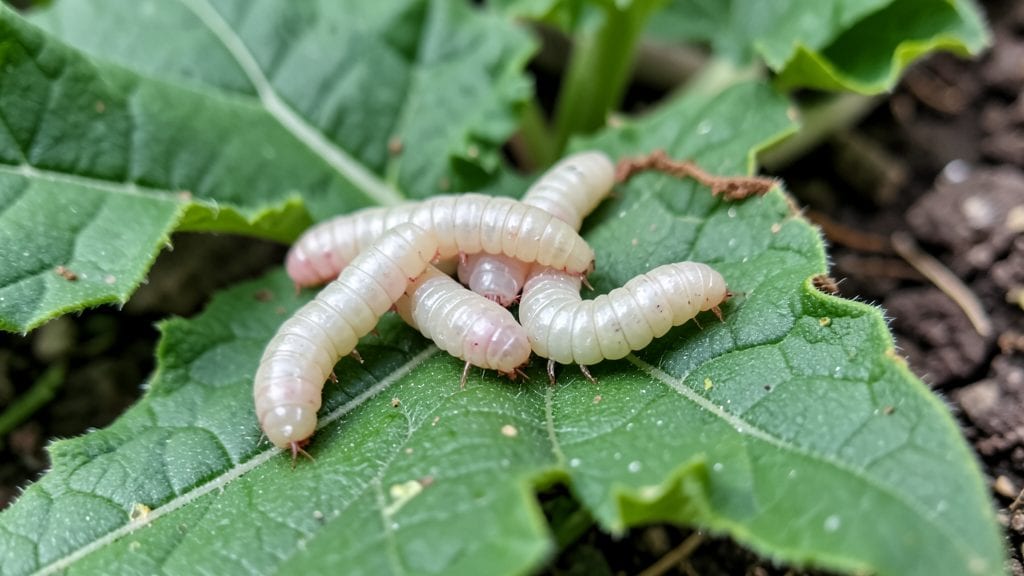
Watermelon seed worms turn your biggest harvest into a chewed-up disappointment. 🌱 I’ve lost entire vines to these sneaky pests, but I’ve also saved later crops using methods that keep your melons safe—and your soil healthy.
The key is acting fast when you spot those telltale signs: wilted vines, hollowed-out seeds, or tiny white grubs hiding in the fruit.
These worms thrive in hot, humid conditions, which means they’re especially aggressive in summer gardens. The good news? You don’t need harsh chemicals to fight them.
Simple fixes like handpicking eggs, using row covers early in the season, or planting trap crops (like cucumbers) nearby can make a huge difference without harming your fruit.
By the time you’ve removed the worst of the infestation, your plants will bounce back stronger. Healthy vines produce sweeter melons, and with the right prevention, you’ll enjoy full, worm-free harvests next season. The secret is early detection and consistent checks—no guesswork, just results.
Works for home gardeners, small farms, and even container growers. Let’s get those melons back on track without sacrificing organic principles.
Root Causes Of Seed Damage
Watermelon seed worms—technically the larvae of Diaphania nitidalis (lesser cornstalk borer) or Diaphania hyalinata (beet armyworm)—don’t just appear out of nowhere. Their presence is usually a sign of underlying conditions that make your fruit an all-you-can-eat buffet for these pests.
Understanding these triggers is the first step to preventing future invasions. Let’s break down the key factors that turn your watermelons into a worm magnet.
Seed worms thrive in cluttered, neglected growing spaces. When plant debris—like old vines, fallen leaves, or uneaten fruit—lingers in or around your garden, it creates the perfect hiding spot for adult moths to lay eggs. Here’s how it works:
- Moths love shade and shelter: Adult moths seek out dense foliage or mulch piles to rest during the day, especially in hot climates. If your garden is a jungle of organic matter, they’ll stick around longer, increasing egg-laying opportunities.
- Eggs hide in plain sight: Female moths deposit tiny, white eggs on the undersides of leaves or inside cracks in fruit. If you’re not scouting regularly, these eggs can go unnoticed until the larvae hatch and burrow in.
- Overwintering hotspots: In cooler regions, moths may survive winter in leaf litter or compost piles, emerging earlier in the season to infest your crop before you even plant.
Actionable fix: Clear debris at least once a week during growing season, especially under vines and near fruit. Use a rake or hoe to remove old mulch and till it into the soil (if not composting) to eliminate hiding spots. Pro tip: 💡 Mulch with straw instead of leaves—it breaks down faster and deters pests less effectively as a shelter.
Healthy, firm watermelons are less appealing to seed worms than fruit that’s already compromised. These pests target melons that:
- Have soft spots or bruises: Larvae can’t chew through thick rinds easily, so they seek out areas where the fruit’s defenses are weakened. Even minor damage from birds, hail, or rough handling creates entry points.
- Are overripe or fermenting: As fruit sugars break down, the texture softens, making it easier for larvae to tunnel inside. Overripe melons also emit odors that attract adult moths for egg-laying.
- Lay on the ground: Melons touching soil are more susceptible to egg deposition by moths flying low to the ground. Plus, soil-borne fungi or bacteria can further weaken the rind.
Actionable fix:
- 🔥 Harvest promptly: Pick melons when fully ripe (tap test!) but before they oversoften. Avoid waiting for "perfect" size if the vine is dying back.
- 🥘 Elevate fruit: Use slatted wooden boards or straw bales to keep melons off damp soil. Space them to allow airflow and deter moths.
- 🔪 Cull damaged fruit: Remove any bruised or cracked melons immediately—even if you plan to eat them later. Compost them far from your garden (or bag and trash them) to prevent reinfestation.
Seed worms are most active during specific temperature ranges (typically 75–90°F), and their lifecycle syncs with the growth stages of watermelons. If you’re not timing your plantings right, you’re essentially rolling out a welcome mat:
- Early plantings in warm climates: Watermelons sown too early may germinate and grow just as moth populations peak, giving larvae a head start. In the South, this often means April–May plantings are riskier than June starts.
- Succession planting without rotation: Planting new melons in the same spot year after year (or even season after season) leaves behind eggs or pupae in the soil. These pests can overwinter and emerge to attack the next crop.
- Slow-growing varieties: Heirloom or large-fruited melons take longer to mature. If they’re still vine-ripening when moths are abundant (e.g., late July–August in many regions), they’re prime targets.
Actionable fix:
- 🌡️ Adjust planting times: In hot climates, aim for late May–June plantings to avoid peak moth activity. In cooler areas, use black plastic mulch to warm the soil and extend the season.
- 🎯 Rotate crops: Avoid planting cucurbits (melons, squash, cucumbers) in the same bed for at least 3 years. Interplant with marigolds or nasturtiums to repel moths.
- ⏰ Use fast-maturing varieties: Choose hybrids like ‘Sugar Baby’ or ‘Crimson Sweet’ (50–60 days to harvest) to beat the worm rush.
Adult seed worm moths aren’t picky—they’re drawn to any flowering plant that produces nectar, especially those in the same family as watermelons (Cucurbitaceae). Here’s how your garden might be luring them in:
- Nearby cucurbit crops: Pumpkins, squash, cucumbers, and even wild gourds act as trap crops for moths. If these are growing nearby, they’ll lay eggs there first—but then spread to your melons.
- Flowering weeds: Plants like morning glories, ragweed, or even marigolds (ironically!) can attract moths. While some flowers repel pests, others attract them with their scent.
- Night-blooming flowers: Moths are nocturnal pollinators. If your garden has night-scented flowers (e.g., evening primrose, moonflower), they’ll linger longer, increasing egg-laying.
Actionable fix:
- 🌿 Remove wild cucurbits: Scour your property for volunteer pumpkins, squash, or cucumbers. Even small, unnoticed plants can harbor moths.
- 🌙 Limit night-blooming flowers: If you love evening-scented blooms, place them far from watermelon patches or prune them after dusk.
- 🐝 Use selective pollinator plants: Opt for day-blooming flowers like sunflowers or bee balm, which attract bees (not moths) and still support pollination.
Natural Fixes for Tiny Fruit Invaders
Discovering Diaphania nitidalis (watermelon seed worms) munching on your prized melons can feel like a nightmare—especially when you’re aiming for a pesticide-free garden. The good news? With a few targeted, organic strategies, you can evict these pests without sacrificing your harvest.
Below, we’ve mapped out practical solutions based on the root causes of infestations, from early detection to long-term prevention. No chemicals required!
Seed worms thrive in silence until their damage becomes visible. The sooner you spot them, the easier they are to manage.
- 👀 Inspect fruit regularly: Cut open watermelons, cantaloupes, or squash every 3–5 days starting 2–3 weeks after flowering. Look for tiny white larvae (about ½ inch long) or small holes in the seeds. Discard infested fruit immediately—do not compost it near your garden.
- 🌱 Check the soil: Seed worms lay eggs on lower leaves and stems. Shake plants gently over a white tray; eggs look like tiny yellow specks. Remove affected foliage and drop it into soapy water.
- 🕰️ Time your harvest: Pick melons before they overripe. Seed worms prefer soft, mature fruit. Use a gentle twist to test ripeness—if it separates easily from the vine, it’s ready!
Trick seed worms into revealing themselves with these low-tech, high-effectiveness methods.
🔪 The "Fake Fruit" Trap
Seed worms are drawn to ripe fruit. Use this to your advantage:
- Cut a watermelon or cantaloupe in half and place it upside-down near your plants (but not touching them).
- Cover the cut side with plastic wrap secured by a rubber band to trap larvae that crawl inside.
- Check the trap daily and dispose of it (and its contents) in sealed trash. Replace every 2–3 days.
Pro Tip: 💡 Add a few drops of overripe fruit juice to the plastic wrap to enhance the lure!
👨🍳 DIY Beer Trap for Adult Moths
Adult seed worm moths are attracted to fermenting scents. Set up a simple trap to reduce egg-laying:
- Fill a small jar or cup with beer, wine, or even apple cider vinegar.
- Place it near your plants at dusk (when moths are most active).
- Cover the top with plastic wrap + a rubber band, then poke small holes in the wrap.
- Moths will fly in but can’t escape—dispose of the jar every 3–4 days.
Seed worms rely on moist, nutrient-rich soil and tender plants. Adjust your growing conditions to make your garden less hospitable.
🌡️ Adjust Watering Practices
Overwatering creates the perfect breeding ground. Try these tweaks:
- Water at the base: Avoid wetting leaves and stems—use drip irrigation or soaker hoses instead of overhead sprinklers.
- Morning watering only: Wet foliage dries faster in sunlight, reducing humidity where eggs thrive.
- Mulch strategically: Use straw or wood chips (not fresh grass clippings) to keep soil dry while suppressing weeds.
🌱 Strengthen Your Plants
Healthy plants fend off pests better. Boost your melons’ resilience with:
- Balanced fertilizer: Use a low-nitrogen, high-potassium mix (like 5-10-10) to promote strong vines and thick rinds.
- Companion planting: Interplant with basil, marigolds, or nasturtiums—their scents repel moths.
- Prune lower leaves: Remove yellowing or damaged foliage near the soil to eliminate egg-laying sites.
These sprays disrupt seed worms’ life cycle without harming beneficial insects or your fruit.
🌿 Neem Oil Spray (Best for Eggs & Young Larvae)
Neem oil smothers eggs and confuses adult moths. Mix:
- 1 tbsp neem oil
- 1 tsp horticultural soap or mild dish soap
- 1 quart water
How to apply: Spray evenly on leaves, stems, and soil at dusk every 5–7 days during the flowering and fruiting stages. Reapply after rain.
Pro Tip: ✨ Add 1 tsp garlic powder to the mix for extra pest-repelling power!
🍋 Vinegar & Spices Spray (Deters Adult Moths)
A simple, non-toxic spray to keep moths away:
- 1 cup white vinegar
- 1 tsp cayenne pepper or red pepper flakes
- 1 quart water
How to apply: Shake well and spray on leaves and around plants at sunset. Reapply every 3–4 days.
Stop seed worms from returning year after year with these habits:
- 🌱 Rotate crops: Avoid planting cucurbits (watermelons, squash, cucumbers) in the same spot for at least 3 years.
- 🔥 Clean up thoroughly: Remove all plant debris (vines, leaves, fruit scraps) from your garden before winter. Burn or trash it—do not compost.
- 🐝 Encourage predators: Attract ladybugs, lacewings, and parasitic wasps by planting dill, fennel, or yarrow nearby.
- 🕰️ Plant early or late: Seed worm moths emerge in late spring to early summer. Try fast-maturing varieties or plant in early spring or late summer to avoid peak activity.
With these organic strategies, you can protect your watermelons while keeping your garden thriving—no harsh chemicals needed. The key is consistency: combine traps, sprays, and preventive care for the best results. Happy growing! 🍉✨
Frequently asked questions
How do I know if my watermelon has seed worms?
Look for tiny white grubs (about ½ inch long) inside the fruit when you cut it open. You may also see hollowed-out seeds or small holes in the seed cavity. Check for wilted vines or yellowing leaves near the soil—these are early signs of infestation.
Are watermelon seed worms harmful to eat?
While the larvae themselves aren’t toxic, they can make the fruit unappetizing and introduce bacteria from their digestive tracts. Always discard heavily infested melons. For lightly affected fruit, cut out the damaged areas and cook thoroughly to kill any remaining larvae.
What’s the best organic spray to prevent seed worms?
A neem oil spray (1 tbsp neem oil + 1 tsp soap per quart of water) works best for eggs and young larvae. Apply at dusk every 5–7 days during flowering and fruiting. For adult moths, try a vinegar-spice spray (1 cup vinegar + 1 tsp cayenne per quart of water) at sunset.
Can I save a watermelon already infested with seed worms?
Only if the damage is minor. Cut out all affected areas (at least 1 inch around visible larvae) and discard the rest. For heavy infestations, compost the fruit far from your garden to prevent spreading eggs. Always wash hands and tools afterward.
Why do seed worms keep coming back every year?
These pests overwinter in plant debris or soil. To break the cycle, remove all vines and fruit scraps before winter, rotate crops (avoid planting melons in the same spot for 3+ years), and use row covers early in the season to block adult moths.