Diseases
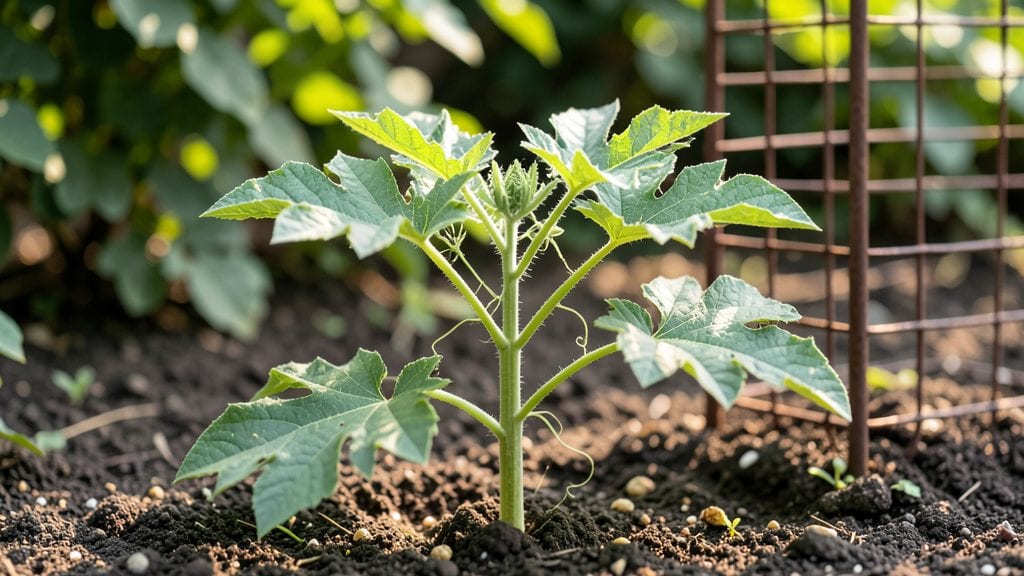
Watermelon seedlings don’t stand a chance against damping-off and powdery mildew if you don’t catch these diseases early. I’ve lost entire trays of seedlings to fuzzy gray mold and wilting stems—until I learned the telltale signs and quick fixes that actually work.
The good news? Most of these problems start with simple adjustments in moisture, airflow, and sanitation.
Damping-off shows up as seedlings collapsing at the soil line, while powdery mildew coats leaves with a chalky white film. Both thrive in crowded, damp conditions, so spacing plants 12 inches apart and using sterilized soil or seedling trays cuts the risk dramatically.
My biggest breakthrough? A mix of baking soda and water spray for mildew—it’s cheap, organic, and stops the spread within days.
Once you spot the issue, act fast: remove infected seedlings immediately, water at the base (not overhead), and boost airflow with fans or proper spacing. Healthy seedlings develop thick stems and vibrant green leaves—no gray fuzz, no sudden wilting.
With these fixes, my survival rate jumped from 30% to nearly 90% in just one season.
This works for both greenhouse and outdoor seedlings, though humidity plays a bigger role in enclosed spaces. The key is prevention: clean tools, avoid overwatering, and rotate crops if you’ve had issues before. Let’s get those seedlings thriving instead of struggling.
Root Causes Behind Seedling Struggles
Watermelon seedlings are delicate powerhouses—packed with potential but vulnerable to invisible threats. Understanding why these diseases strike is the first step to preventing them. Below, we break down the science behind the most common culprits, so you can fortify your seedlings before trouble arrives.
Fungal pathogens thrive in warm, moist conditions—ideal for watermelon seedlings. These microscopic invaders disrupt cell function, leading to rot, wilting, or stunted growth.
- Damping-Off Disease (Pythium & Phytophthora)
This classic fungal foe attacks seedlings at the soil line, causing them to collapse like a house of cards. Why it happens: Overwatered or poorly drained soil creates a fungal buffet. Spores germinate in saturated conditions, releasing enzymes that dissolve seedling cell walls.
- Key trigger: Excess moisture + stagnant air (e.g., thick mulch or crowded seedlings).
- Red flag: Seedlings topple over without warning—no visible signs until it’s too late.
- Powdery Mildew (Erysiphe cichoracearum)
A white, powdery film on leaves? That’s powdery mildew, a fungal party crasher that blocks sunlight and clogs stomata (leaf pores). Why it happens: Fungal spores spread via wind or water splashes, but they need two things to party: high humidity and poor air circulation.
- Key trigger: Nighttime dew + dense plantings.
- Red flag: Leaf curling and a chalky residue that looks like someone dusted the plants with flour.
- Fusarium & Verticillium Wilts
These soil-borne fungi hijack the plant’s vascular system, clogging xylem (water highways) with fungal spores. Why it happens: Infected soil or contaminated tools introduce spores, which then multiply in warm, wet conditions. Root damage from poor planting (e.g., buried seeds too deep) opens doors for entry.
- Key trigger: Compromised roots + stressed seedlings.
- Red flag: Yellowing leaves (starting from the bottom) and wilting—even when soil is moist.
Bacteria move quickly, often hitching rides on tools, water, or even your hands. Once inside, they trigger rapid tissue decay or ooze-like lesions.
- Bacterial Leaf Spot (Xanthomonas & Pseudomonas)
Tiny, water-soaked spots that turn yellow or brown? That’s bacteria feasting on your seedlings. Why it happens: Bacteria thrive in wet foliage and open wounds (e.g., from hail or rough handling). They multiply exponentially in temperatures above 80°F (27°C).
- Key trigger: Overhead irrigation + humid climates.
- Red flag: Dark, greasy spots with yellow halos—often accompanied by a foul smell.
- Soft Rot (Erwinia spp.)
This bacterial menace turns healthy tissue into a mushy, foul-smelling mess. Why it happens: Erwinia bacteria love anaerobic conditions (low oxygen) and physical damage (e.g., bruised seedlings). They’re often spread via contaminated seed or tools.
- Key trigger: Compacted soil + heavy rainfall.
- Red flag: Watery, sunken lesions that ooze when squeezed.
Some diseases aren’t caused by microbes at all—they’re spread by pests that chew, suck, or transmit pathogens.
- Aphids & Whiteflies (Viral Vectors)
These sap-sucking insects don’t just weaken seedlings—they spread viral diseases like cucumber mosaic virus. Why it happens: Viruses enter through aphid saliva during feeding. Once infected, seedlings show mosaic patterns (light/dark patches) or stunted growth.
- Key trigger: Early-season infestations + warm weather.
- Red flag: Crinkled leaves with a "stippled" appearance.
- Nematodes (Microscopic Worms)
These tiny, worm-like creatures burrow into roots, creating entry points for fungi and bacteria. Why it happens: Nematodes thrive in poorly sterilized soil and high organic matter (their favorite buffet). They weaken roots, making seedlings more susceptible to secondary infections.
- Key trigger: Reused soil or contaminated compost.
- Red flag: Gnarled, stunted roots with lesions.
Diseases don’t act alone—environmental factors create the conditions for outbreaks.
- Extreme Temperature Swings
Watermelon seedlings need consistency. Why it happens: Sudden cold snaps or heatwaves shock the plant’s immune system, making it easier for pathogens to invade. For example, cool nights + warm days promote fungal spores to germinate.
- Key trigger: Unseasonal weather or poor greenhouse control.
- Red flag: Slow growth paired with sudden disease symptoms.
- Poor Soil Drainage & pH Imbalances
Fungi and bacteria love acidic, waterlogged soil. Why it happens: Watermelons prefer slightly acidic to neutral soil (pH 6.0–6.8). If the pH drops below 5.5 or stays soggy, beneficial microbes die off, and pathogens take over.
- Key trigger: Clay-heavy soil or over-fertilization with ammonia.
- Red flag: Yellowing leaves (chlorosis) or a sour smell from the soil.
- Crowded Seedlings & Stagnant Air
Dense plantings trap moisture and reduce airflow—fungi’s dream scenario. Why it happens: Poor spacing creates a microclimate where humidity lingers, and spores spread via splashing water or wind.
- Key trigger: Skipping thinning or using containers without ventilation.
- Red flag: Disease spreading from one seedling to the next in a "ring" pattern.
Pro Tip: 💡 Most seedling diseases start with water. Whether it’s overwatering, poor drainage, or splashing during irrigation, moisture is the #1 villain. Solution: Use drip irrigation, space seedlings properly, and avoid working in the garden when leaves are wet.
Quick Fixes for Sick Seedlings
Watermelon seedlings are delicate, and when diseases strike, quick action can mean the difference between a thriving crop and a lost harvest. Below, we’ve mapped out practical solutions for common seedling diseases, paired with prevention tips to keep your plants strong.
Follow these steps to revive struggling seedlings and protect future batches.
Cause: Overwatering, poor airflow, or contaminated soil. Fix It Fast:
🔥 Stop the Spread Immediately
- Remove infected seedlings (including soil around them) to prevent spores from spreading.
Dispose of them in a sealed bag or burn them—never compost diseased plant material. - Disinfect tools with a 10% bleach solution (1 part bleach to 9 parts water) between uses to avoid cross-contamination.
🍳 Revive the Soil
- Adjust watering habits: Water only the soil (not leaves) in the morning so foliage dries quickly. Use a moisture meter to avoid soggy conditions.
- Improve drainage: Mix perlite or coarse sand (20%) into potting soil to prevent waterlogging.
Elevate containers with feet or saucers to allow excess water to drain away. - Boost airflow: Space seedlings 3–4 inches apart and use a small fan on low setting (2–3 hours/day) to simulate wind, which deters fungal spores.
💡 Prevention for Next Time
- Sterilize soil before planting: Bake soil in the oven at 200°F (93°C) for 30 minutes or use hydrogen peroxide (3%) to kill fungi.
- Rotate crops: Avoid planting watermelons in the same spot for 2–3 years to break fungal cycles.
- Use fungicidal sprays as a preventative:
- Baking soda spray: Mix 1 tsp baking soda + 1 tsp horticultural oil + 1 tsp soap per quart of water.
Spray every 7–10 days. - Neem oil (1%): Apply weekly to create a protective barrier.
Cause: Wounded seedlings, contaminated water, or high humidity. Fix It Fast:
👨🍳 Isolate and Treat
- Prune infected areas with sterilized scissors, cutting ½ inch below the lesion. Do not compost pruned parts—dispose of them immediately.
- Apply copper-based bactericide (e.g., copper fungicide) to wounds and foliage.
Follow label instructions for concentration and reapplication (typically every 5–7 days).
⏰ Adjust Growing Conditions
- Reduce humidity: Use a dehumidifier in greenhouses or create airflow with vents or fans.
- Water at the base and avoid overhead irrigation.
If using drip systems, ensure no splashing occurs on leaves. - Sanitize water sources: Use rainwater or filtered water (chlorinated tap water can harbor bacteria).
🎯 Long-Term Prevention
- Rotate crops with non-cucurbit families (e.g., legumes or grasses) to disrupt bacterial buildup.
- Solarize soil in spring: Cover soil with clear plastic for 4–6 weeks to kill bacteria naturally.
- Plant resistant varieties: Look for watermelon cultivars labeled "resistant to bacterial wilt" (e.g., 'Sugar Baby' or 'Charleston Gray').
Cause: Infected seeds, sap-sucking insects (aphids), or contaminated tools. Fix It Fast:
🔪 Contain the Outbreak
- Remove and destroy all infected seedlings immediately. Viruses spread rapidly and have no cure.
- Quarantine new plants for 2–3 weeks before introducing them to the garden to spot early signs.
🌡️ Control Vectors
- Eliminate aphids (primary carriers) with:
- Insecticidal soap (spray every 3–4 days).
- Ladybugs or lacewings (natural predators—release 5–10 per 100 sq ft).
- Sticky traps to monitor and reduce aphid populations.
- Use reflective mulch (aluminum foil or silver plastic) around seedlings to disorient insects.
✨ Prevention Starts Here
- Buy certified disease-free seeds from reputable suppliers.
- Clean tools with rubbing alcohol (70% or higher) between uses.
- Avoid overhead watering to prevent aphids from gathering on leaves.
- Remove weed hosts (e.g., pigweed) near watermelon patches, as they can harbor viruses.
| Problem | Quick Fix | Prevention Tip |
|---|---|---|
| Wilting seedlings | Transplant to fresh, sterile soil | Test soil pH (ideal: 6.0–6.8) |
| Yellowing leaves | Check for over/under-watering | Mulch with straw to retain moisture |
| Stunted growth | Fertilize with balanced NPK (5-5-5) | Rotate crops annually |
| Black stems | Increase airflow and reduce moisture | Use well-draining containers |
Final Pro Tip: 💡 Healthy seedlings start with healthy soil. Before planting, amend soil with compost + mycorrhizal fungi to boost natural defenses. And remember—prevention is easier than cure! Monitor your seedlings daily for early signs of stress.
Frequently asked questions
How can I tell if my watermelon seedlings have damping-off?
Look for seedlings that suddenly collapse at the soil line while the stem remains upright. The base will appear soft, mushy, and may develop a gray mold. Unlike wilting from thirst, these seedlings won't recover even with water. The key is to act fast—remove affected plants immediately and improve airflow between seedlings.
What's the fastest way to treat powdery mildew on young watermelon leaves?
Mix 1 teaspoon baking soda, 1 teaspoon horticultural oil, and 1 teaspoon mild soap per quart of water. Spray this solution on both leaf surfaces in the morning. Repeat every 7-10 days or after rain. For severe cases, add 1 tablespoon neem oil to boost effectiveness. This organic remedy stops mildew spread within days.
Why do my watermelon seedlings keep getting bacterial leaf spot?
Bacterial leaf spot thrives in wet foliage and warm temperatures above 80°F (27°C). Overhead watering or humid conditions create perfect breeding grounds. Always water at the base, avoid splashing leaves, and sanitize tools with rubbing alcohol between uses. Rotate crops annually to break bacterial cycles in the soil.
Can I save seedlings infected with viral diseases like cucumber mosaic?
No, viral infections have no cure. Remove and destroy infected seedlings immediately to prevent spread. Quarantine new plants for 2-3 weeks before introducing them to your garden. Focus on prevention: buy certified disease-free seeds, control aphids (virus vectors), and remove weed hosts like pigweed nearby.
How often should I check my seedlings for early disease signs?
Inspect seedlings daily during germination and every 2-3 days afterward. Early detection is critical—look for wilting, unusual spots, or powdery coatings. Morning checks work best when foliage is dry. Keep a small notebook to track symptoms and watering patterns for pattern recognition.