Plants
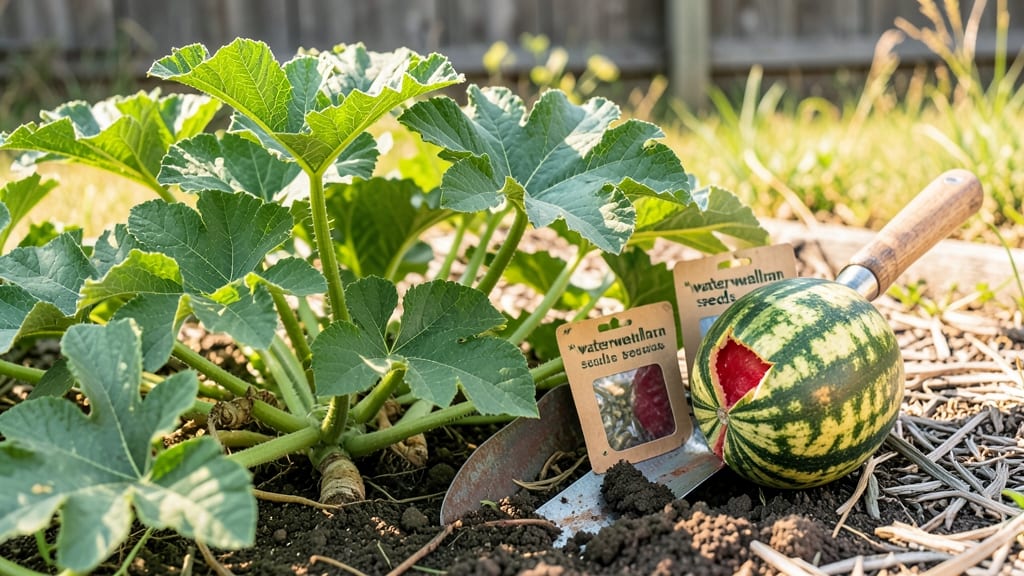
Planting watermelon seeds in California requires timing them perfectly to avoid frost or scorching heat that ruins your crop.
California’s warm climate makes growing watermelons a rewarding experience—but timing is everything to avoid bitter fruit or poor yields. Plant too early, and frost threatens your crop; too late, and the scorching summer heat can stress young seedlings.
With no frost to worry about in most of the state, the real challenge is getting those seeds in the ground when soil temperatures hit 70°F (21°C) and staying ahead of the 90-day growing season. That’s where knowing the exact window makes all the difference.
Here’s when to plant for a fast, juicy harvest—plus how to adjust for your microclimate, whether you’re starting seeds indoors or sowing directly.
Best months to plant watermelon seeds in California by region
California’s diverse climate means your watermelon planting window varies dramatically from coastal Southern California to the Central Valley and Northern California. Inland areas like the Central Valley can start 4-6 weeks earlier than coastal regions due to warmer soils.
Meanwhile, Northern California’s cooler nights demand extra caution. Let’s break down the exact planting months for each region, including soil temperature requirements and frost risks.
For all regions, soil temperature is the #1 factor—not air temperature. Watermelon seeds need 70°F (21°C) to germinate reliably. Use a soil thermometer to check: if it’s below 60°F (15°C), wait.
Coastal areas often lag behind inland zones by 2-4 weeks due to ocean breezes. Inland desert areas? You might plant as early as February in some microclimates.
Here’s how to match your planting method to your region’s climate. Direct sowing (planting seeds directly in the ground) works best in warm zones, while transplanting (starting seeds indoors) gives you flexibility in cooler areas. I’ll show you the exact start dates for both methods in each region.
🌱
| Region | Coastal vs. Inland | Direct Sowing Window | Transplanting Window | Soil Temp Requirement | Key Risks |
|---|---|---|---|---|---|
| Southern California | Coastal (LA, San Diego) | April 15-May 15 | March 1-March 15 (start indoors) | 70°F+ (21°C+) | Sudden heat spikes, coastal fog delays |
| Inland (Palm Springs, Riverside) | March 1-April 1 | February 15-February 28 (start indoors) | 68°F+ (20°C+) | Desert heat stress on seedlings | |
| Central Valley | Northern (Sacramento, Stockton) | April 15-May 1 | March 15-April 1 (start indoors) | 70°F+ (21°C+) | Late frost risk (rare but possible) |
| Southern (Bakersfield, Fresno) | March 15-April 15 | February 20-March 15 (start indoors) | 68°F+ (20°C+) | Extreme summer heat (needs shade) | |
| Northern California | Bay Area (San Francisco, Oakland) | May 1-May 31 | April 1-April 15 (start indoors) | 70°F+ (21°C+) | Coastal fog, slow soil warming |
| Sacramento Valley (Chico, Redding) | April 15-May 15 | March 15-April 1 (start indoors) | 68°F+ (20°C+) | Cool nights slow vine growth |
Notice how Southern California’s inland areas can start planting as early as February, while coastal zones wait until April or May. This difference is due to soil warming—sandy desert soils heat up faster than clay-rich coastal soils.
If you’re in a transition zone (like the Central Coast), err on the side of late planting to avoid blossom-end rot from unpredictable coastal weather.
For transplanting, start seeds indoors 4-6 weeks before your region’s last frost date (though most of California has no frost, coastal areas can see light frosts in winter).
Use biodegradable pots to avoid root disturbance. Harden off seedlings for 7-10 days before moving them outdoors—this is critical in Northern California, where temperature swings are common.
One pro tip: Use black plastic mulch to raise soil temperature by 5-10°F. This lets you plant 2-3 weeks earlier in cooler regions. Just lay it down 1-2 weeks before planting and cut small holes for seeds. It also suppresses weeds and retains moisture—perfect for California’s drought-prone summers.
If you’re in Southern California’s desert areas, beware of heat stress on young seedlings. Provide 30% shade cloth until plants establish roots, then gradually remove it. Inland valleys like the Central Valley can see 100°F+ days by July—plant heat-tolerant varieties like ‘Sugar Baby’ or ‘Crimson Sweet’ for best results.
For Northern California, focus on short-season varieties (60-70 days to maturity) to beat the shorter growing season. ‘Black Diamond’ or ‘Tasty Bite’ are excellent choices. In cooler microclimates (like Eureka or Santa Cruz), consider row covers to extend the season by 2-3 weeks.
Finally, remember that July-August planting is possible for a fall harvest in most of California—just aim for varieties that mature in 70-80 days. This second planting window works best in Southern California, where summer heat persists longer. In Northern California, stick to spring planting for reliable results.
☀️
How to adjust planting time for faster harvests in hot climates
California’s summer heat can turn your watermelon patch into a stressful experiment if you plant at the wrong time. The key to sweeter, faster harvests lies in strategic timing—avoiding the hottest months while still capitalizing on warm soil.
Late spring and early summer planting often produces more flavorful melons because the vines mature during cooler transitions, reducing bitterness. But with 100°F+ days common, you’ll need smart adjustments to protect young plants.
Start by choosing heat-tolerant varieties like ‘Sugar Baby’ (58 days) or ‘Crimson Sweet’ (80 days), which thrive in short growing seasons and scorching temps. Pair these with staggered planting schedules—sow seeds every 2-3 weeks from May through June—to ensure a continuous harvest.
This spreads out your risk and lets you enjoy melons before the peak August heat sets in.
Here’s how to optimize your planting schedule for maximum speed and yield in California’s climate:
Another pro tip: Mulch heavily with straw or black plastic to retain moisture and raise soil temps by 5-10°F. This trick is especially useful in cooler coastal areas like Santa Barbara, where nights can dip into the 50s°F.
Pair mulch with compost-rich soil to give vines the nutrients they need to recover from heat stress quickly.
For container growers, opt for 5-gallon pots and plant one seedling per container. Move pots to shadier spots during 11 AM–3 PM to avoid leaf scorch.
Containers dry out faster, so check moisture daily during heatwaves. With these adjustments, you’ll harvest juicy, sweet melons in as little as 60 days—even in 100°F+ heat.
Remember, sweeter melons often come from cooler growing conditions. Planting in late spring lets vines mature during warmer evenings and milder days, reducing bitterness. Save July-August for short-season varieties or fall plantings if you’re aiming for a September harvest.