
Flowers
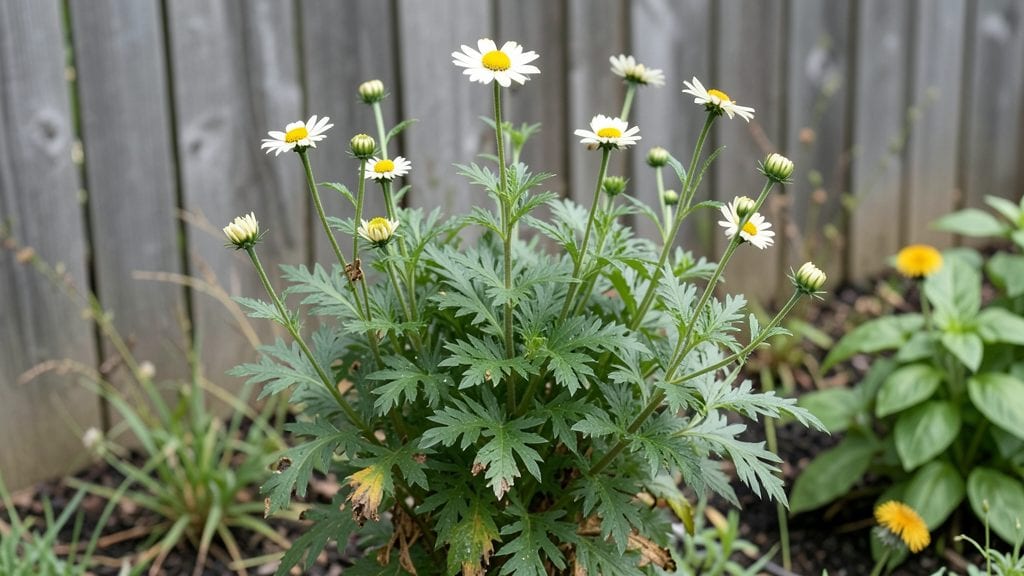
Growing whorled tickseed from seeds means you’ll soon have those cheerful yellow daisies thriving in your garden. 🌻 I’ve learned the hard way that patience is key—these seeds take their time, but once they sprout, they’re worth every wait.
The secret lies in mimicking their natural habitat: well-draining soil, bright light, and just enough moisture to keep them happy without drowning.
You’ll need a sunny spot with at least 6 hours of direct light daily, a lightweight potting mix, and small pots or a seed tray. Whorled tickseed loves dry conditions once established, so avoid soggy soil at all costs.
Plant the tiny seeds just beneath the surface—about 1/8 inch deep—and keep them consistently moist until germination, which can take 2-4 weeks if you’re lucky.
Once those first green shoots appear, you’ll know you’re on the right track. Thin seedlings to 12-18 inches apart to give them room to grow into sturdy, bushy plants. Within 8-10 weeks, you’ll be rewarded with clusters of bright yellow blooms that attract bees and butterflies all summer long.
The best part? These plants are drought-tolerant once established, making them perfect for low-maintenance gardens.
Fair warning: whorled tickseed can be slow to germinate, and some seeds might never sprout. But don’t let that discourage you—once they’re up, they’re tough as nails. With the right care, you’ll have a garden full of golden cheer that keeps blooming until frost. Ready to give it a try?
📚 In This Guide
- What you need
- Instructions
- Tips and common mistakes
- Wrapping up and next steps
What you need
- ● Whorled tickseed seeds: 10–20 seeds (or more, if you’re ambitious!). Opt for fresh, high-quality seeds from a trusted supplier.
- ● Seed-starting trays or pots: 4–6" deep with drainage holes (biodegradable pots work great for transplanting!).
- ● Seed-starting mix: Lightweight, well-draining potting soil (avoid garden soil—it’s too dense!).
- ● Grow lights or a sunny windowsill: A full-spectrum LED grow light (12–16 hours/day) or a south-facing window (6+ hours of sunlight).
- ● Spray bottle: For gentle watering (avoid over-saturating the soil!).
- ○ Plastic wrap or humidity dome: To retain moisture while seeds germinate (optional but helpful in dry climates).
- ● Labels & markers: To track planting dates and varieties (trust us, you’ll thank yourself later!).
- ● Heat mat: Speeds up germination (70–75°F is ideal).
- ● Fertilizer: A balanced, water-soluble fertilizer (diluted to half-strength) for seedlings.
- ● Tweezers: For careful seed placement (if you’re a perfectionist!).
- ● Misting fan: Encourages strong stems by creating airflow (reduces damping-off risk).
Step-by-Step instructions for germinating whorled tickseed seeds
Here's how to coax those tiny seeds into sturdy plants ready for vibrant blooms.
🌱 Step 1: Prepare the Seed Starting Mix
Whorled tickseed thrives in well-draining soil, so mix 1 part perlite with 2 parts potting mix in your 4-inch pots. This creates an airy medium that prevents the delicate seeds from rotting. Fill each pot almost to the top—you'll only need about ½ inch of space for the seeds themselves.
I like to tap the pots gently on the table to settle the mix without compacting it. The goal is a loose, fluffy texture that lets roots establish quickly. Moisten the mix with lukewarm water until it feels damp like a wrung-out sponge—no puddles, just even moisture throughout.
🌱 Step 2: Sow Seeds at the Right Depth
Whorled tickseed seeds are tiny, so I use a toothpick to create small divots in the soil. Place 2-3 seeds per pot at a depth of just ⅛ inch—any deeper and they may struggle to emerge. Cover them with a light dusting of the same mix, then gently press the soil surface to ensure good seed-to-soil contact.
Here's the thing—these seeds need light to germinate, so don't bury them. Instead, I place the pots under a grow light immediately after sowing. The seeds will need warmth (70-75°F) and bright light to sprout within 10-14 days. Keep the soil consistently moist but never soggy during this time.
☀️ Step 3: Provide Consistent Light and Warmth
Once the seeds sprout, move them to a south-facing window or under grow lights for 12-14 hours of light daily. Whorled tickseed grows best with bright, indirect light—direct sun can scorch the tender leaves. You'll know your seedlings are happy when they develop deep green, rounded leaves and grow upright rather than stretching toward the light.
Keep the soil evenly moist by watering at the base—never from above, or you risk disturbing the seedlings. A spray bottle works well for gentle hydration. If the soil feels dry to the touch, it's time to water; if it's damp, wait another day.
🪴 Step 4: Transplant When Seedlings Are Strong
When seedlings reach 2-3 inches tall and have 4-5 true leaves, they're ready to move to their final 6-inch pots. Handle them carefully—they're still delicate. Fill the new pots with the same perlite-potting mix blend and dig a hole just deep enough to bury the seedlings up to their first set of leaves.
Water thoroughly after transplanting to help the roots settle. Place the pots in a spot with full sun (6+ hours daily) and continue watering at the base. You'll see new growth within a week—that's your signal everything is working. Keep an eye out for pale or yellowing leaves, which can indicate too much water or not enough light.
✂️ Step 5: Prune and Encourage Bushy Growth
Whorled tickseed blooms best when pruned regularly. Once your plants reach 6 inches tall, pinch off the tips of the stems just above a set of leaves. This encourages the plant to branch out and produce more flowers. Repeat this pruning every 4-6 weeks during the growing season.
Deadhead spent blooms by snipping the flower stems just above the next set of leaves. This redirects the plant's energy into producing new flowers rather than seeding. With consistent care, your whorled tickseed will reward you with vibrant daisy-like blooms from early summer through fall.
Tips & tricks for perfect whorled tickseed germination
These simple tricks will help you avoid common pitfalls and give your whorled tickseed seeds the best possible start.
Soil Texture Matters: In Step 1, when mixing your 1 part perlite to 2 parts potting mix, don't just eyeball it—use measuring cups for accuracy. The goal is a texture that resembles damp sand, not packed dirt. After tapping the pots to settle the mix, run your finger through it—it should feel airy with just enough resistance to hold shape. This prevents seed rot while allowing tiny roots to establish quickly.
Light is Everything: Whorled tickseed seeds need light to germinate, so resist the urge to cover them completely in Step 2. After sowing your 2-3 seeds per pot at just ⅛ inch depth, place the pots under grow lights immediately. The ideal temperature range of 70-75°F works best with bright light—think of it like creating a mini greenhouse environment. If you notice seedlings stretching toward the light (a condition called "legginess"), they're not getting enough light.
Watering Wisdom: In Step 3, when maintaining consistent moisture, use the "sponge test" method: squeeze a handful of soil—it should feel damp but not dripping. For the 12-14 hours of daily light, water only when the top inch feels dry to the touch. Overwatering is the #1 killer of these delicate seedlings, so always water at the base using a spray bottle to avoid disturbing the tiny sprouts. If you see water pooling on top, you've gone too far.
Transplant Timing: Don't rush moving your seedlings in Step 4—wait until they reach 2-3 inches tall with 4-5 true leaves. This usually takes about 6-8 weeks from sowing. When transplanting to 6-inch pots, handle them by their leaves rather than the stems to avoid damage. The first few days after transplanting are critical, so keep them in a shaded area for 24 hours to help them recover from the shock.
Pro Tips for Whorled Tickseed Seeds
- These simple tricks will help you avoid common pitfalls and give your whorled tickseed seeds the best possible start.
- Soil Texture Matters: In Step 1, when mixing your 1 part perlite to 2 parts potting mix, don't just eyeball it—use measuring cups for accuracy.
- Light is Everything: Whorled tickseed seeds need light to germinate, so resist the urge to cover them completely in Step 2.
Frequently asked questions
Got questions about growing whorled tickseed (Coreopsis verticillata) from seeds? You’re not alone! Here are answers to the most common queries to help you succeed with these cheerful, drought-tolerant blooms.
How long does it take for whorled tickseed seeds to germinate?
Whorled tickseed seeds typically germinate in 7–21 days under ideal conditions (warm soil, 65–75°F, and consistent moisture). Patience is key—cool or dry soil can delay sprouting. If you don’t see seedlings within 3 weeks, gently recheck moisture levels or consider a second planting.
Do I need to soak whorled tickseed seeds before planting?
No soaking is required! These seeds have a hard seed coat that softens naturally with moisture and temperature fluctuations. Lightly scarifying (nick the seed coat with sandpaper) can speed up germination for impatient gardeners, but it’s optional. Just plant them ¼ inch deep in well-draining soil.
Can I grow whorled tickseed from seeds indoors?
Yes! Start seeds indoors 8–10 weeks before your last frost for earlier blooms. Use seed-starting mix in small pots or trays, keep soil moist, and place under grow lights (seeds need 12–14 hours of light daily
Common culprits include:
If you love whorled tickseed’s low-maintenance charm, try these equally tough perennials:
Why aren’t my whorled tickseed seeds sprouting?
Try a fresh batch or test germination with a damp paper towel.
Are there alternatives to whorled tickseed for similar drought-resistant blooms?
All share whorled tickseed’s love for full sun and neglect!
Wrapping up and next steps
Whorled tickseed seeds are a gardener’s dream—packed with vibrant color, low-maintenance charm, and resilience! With the right soil, sunlight, and patience, you’ll be rewarded with stunning blooms that attract pollinators and brighten up any space.
Whether you’re a seasoned green thumb or a beginner, these seeds prove that beauty grows from simplicity.
Ready to dive in? Grab your supplies, follow the steps, and watch your garden transform! Start small, stay consistent, and enjoy the journey—your future blooms will thank you! 🌸🌿