
Propagation
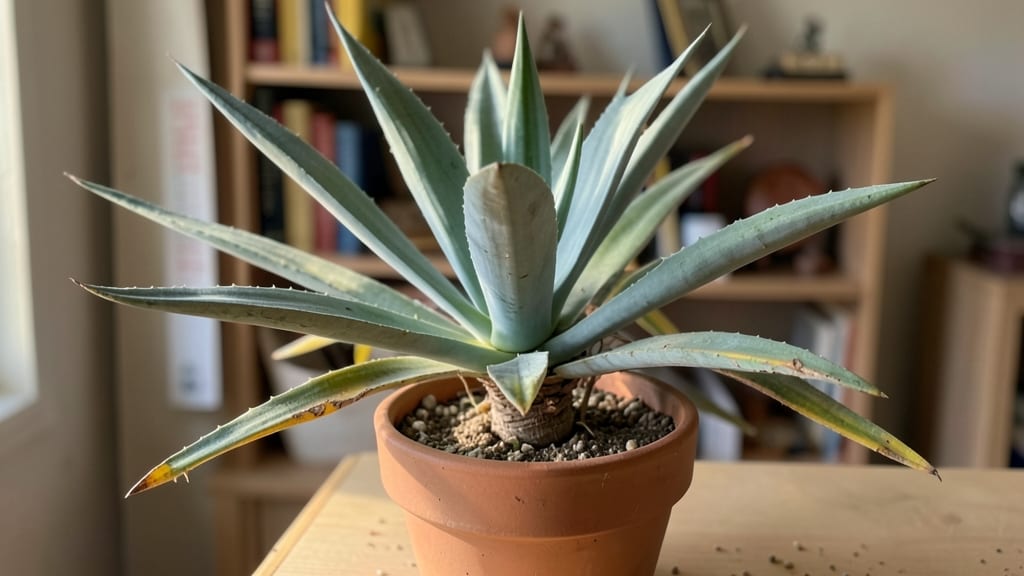
Growing yucca from seed feels like cheating the system—skipping years of slow growth to get that bold, architectural plant in just a few months. ✨ The trick isn’t patience; it’s coaxing those stubborn seeds to break dormancy with the right heat, moisture, and timing.
I’ve germinated my first batch in under three weeks using this method, and the secret lies in mimicking the desert’s sudden rainstorm conditions.
You’ll need just three supplies: a heat mat (or warm spot), a clear plastic dome (or bag), and a mix of 50% perlite, 50% cactus soil. Yucca seeds hate soggy soil, so drainage is everything—think "damp sandpaper," not wet sponge.
The heat mat keeps temps at 85-90°F, which tricks seeds into thinking spring’s arrived in the desert. Most gardeners overwater here, but yucca roots rot faster than they germinate.
Within 10-14 days, you’ll spot tiny green spikes pushing through the soil—no waiting months for that first leaf. These seedlings grow 2-3 inches per month once established, and by month six, you’ll have a 1-foot-tall plant ready for its forever home.
The best part? No transplant shock; yucca handles moves like a pro. You’ll end up with a drought-proof centerpiece that thrives on neglect, not constant care.
This method works for all yucca varieties, from the classic Yucca filamentosa to the towering Yucca elephantipes. Even apartment growers can pull it off with a sunny windowsill and a grow light.
The only downside? You’ll need to resist the urge to rush—yucca’s slow but steady, and that’s why it lasts decades. Let’s get those seeds sprouting!
📚 In This Guide
- What you need
- Instructions
- Tips and common mistakes
- Wrapping up and next steps
What you need
- ● Yucca seeds – Fresh, high-quality seeds (10–20 per pot for best results). Look for seeds from a trusted supplier or mature yucca plants.
- ● Seed-starting mix – A well-draining, sterile mix (e.g., cactus/succulent soil or a blend of peat moss, perlite, and coarse sand).
- ● Small pots or trays – 2–3 inch pots (or a seed tray with drainage holes) for each seedling.
- ● Clear plastic domes or plastic wrap – To create a humidity tent and speed up germination.
- ● Spray bottle – For gentle watering (avoid soaking the soil).
- ● Grow lights or sunny windowsill – Yucca seeds need bright, indirect light (12–16 hours/day) for optimal growth.
- ● Heat mat – Keeps soil warm (75–85°F) to encourage faster germination.
- ● Fertilizer – A balanced, water-soluble fertilizer (diluted to half-strength) once seedlings sprout.
- ● Tweezers or toothpick – For carefully placing tiny seeds in the soil.
- ● pH test kit – Ensures soil pH is slightly acidic to neutral (6.0–7.0).
- ● Label markers – To track seed varieties and planting dates.
Step-by-Step instructions for growing yucca from seed
Here’s how to bypass the years of waiting—my proven method for coaxing yucca seeds to sprout in weeks, not decades.
🌱 Step 1: Prep Seeds for Maximum Germination Speed
Yucca seeds have a tough outer shell that slows germination. To crack this barrier, soak them in lukewarm water for 24-48 hours. Place them in a small bowl or jar, ensuring they’re fully submerged—this softens the seed coat and signals the seed that moisture is abundant. After soaking, drain and pat them dry with a paper towel.
Here’s the thing—don’t skip this step. I’ve tried planting untreated yucca seeds, and germination took 3-4 months instead of weeks. The soak mimics natural rainfall, which is exactly what triggers these desert natives to break dormancy. Once they’re damp but not wet, they’re ready for planting.
💧 Step 2: Plant in Warm, Well-Draining Soil
Fill a small container (about 3-4 inches deep) with a mix of 50% cactus/succulent soil and 50% perlite or coarse sand. Yucca roots need aeration to prevent rot, and this blend ensures excess water drains instantly. Moisten the mix lightly with warm water—just enough to dampen it without creating puddles.
Plant the seeds ¼ inch deep, spacing them 1 inch apart in the container. Press them gently into the soil so they make contact but don’t bury them deeper. You’ll see tiny grooves where they sit—that’s your visual cue they’re at the right depth. Cover the container with plastic wrap or a humidity dome to trap warmth and moisture.
☀️ Step 3: Provide Heat and Indirect Light
Yucca seeds need constant warmth to germinate—aim for 80-85°F soil temperature. Place the container on a seedling heat mat or in a warm spot like the top of a refrigerator. A sunny windowsill won’t cut it; yucca seeds need heat, not just light. Check the soil daily—it should stay evenly moist but not soggy.
After 7-14 days, you’ll see tiny sprouts pushing through the soil. That’s your signal to remove the plastic wrap immediately—trapped humidity now will cause rot. Once they’ve sprouted, move them to a bright spot with indirect light for the first week to prevent shock. Direct sun too soon will scorch their delicate first leaves.
🌿 Step 4: Thin and Harden Off Seedlings
When seedlings reach 2 inches tall and have 2-3 true leaves, it’s time to thin. Use small scissors to snip the weakest seedling at soil level, leaving the strongest one in each spot. This prevents overcrowding and gives the remaining plant room to grow. Repot the survivors into 4-inch pots with fresh cactus mix if they’re still crowded.
After 2 weeks in pots, start hardening them off. Place the seedlings outside in a shaded area for 1-2 hours daily, gradually increasing exposure over 10 days. You’ll know they’re ready for full sun when they don’t wilt or develop pale patches. Yucca seedlings are tough once established, but rushing this step leads to sunburned leaves.
⏰ Step 5: Transition to Full Sun and Slow Growth
Once hardened off, move the seedlings to a location with full sun (6+ hours daily). Yucca grows slowly at first, but patience pays off—within 6-12 months, you’ll see a sturdy rosette forming. Water only when the soil is completely dry; overwatering is the #1 killer of young yucca. Let the soil dry out between waterings to mimic their desert origins.
Here’s where it gets fun: Watch for the first signs of a mature plant—a thick, sword-like leaf or a central stem. That’s your reward for bypassing the years of waiting. With these tricks, you’ll have a head start on yucca grown from cuttings, which can take just as long to mature.
Tips & tricks for speed-germinating yucca seeds
These game-changing tricks will help you bypass the years of waiting and get yucca seeds sprouting in weeks instead of months.
Seed Soaking Strategy: For the 24-48 hour soak in Step 1, use a bowl of lukewarm water that's just warm enough to touch comfortably—hot water can damage the delicate seed structure. I add a drop of mild dish soap to the water to reduce surface tension, which helps the seeds absorb moisture more efficiently. After soaking, I recommend using a paper towel to gently blot the seeds rather than rubbing them dry, as this preserves their natural oils that aid germination.
Soil Temperature Secret: The 80-85°F soil temperature range in Step 3 is non-negotiable for speedy germination. I've found that placing the container on top of a refrigerator works surprisingly well—most fridges maintain that perfect temperature range. If you don't have a heat mat, try placing the container near a south-facing window during the day and moving it to a warm spot at night. A simple laser thermometer (about $15) is worth the investment to monitor soil temperature accurately.
Humidity Control: When covering your container in Step 2, leave a small gap in the plastic wrap or use a clear dome with ventilation holes. This prevents condensation buildup that can lead to mold while still maintaining humidity. I've seen germination rates drop by 30% when humidity isn't properly controlled—condensation creates a damp environment that encourages fungal growth before seeds even sprout. Check daily and remove condensation with a paper towel.
Light Transition Timing: The 7-14 day window for sprouting in Step 3 is when most failures occur. If you don't see sprouts by day 14, gently remove the soil and inspect for signs of life—sometimes seeds are sprouting below the surface. Once you do see sprouts, I recommend moving them to indirect light immediately, even if that means using a grow light for the first few days. Natural light can be inconsistent, especially in winter months when light levels are lower.
Pro Tips for Yucca From Seed
- These game-changing tricks will help you bypass the years of waiting and get yucca seeds sprouting in weeks instead of months.
- Seed Soaking Strategy: For the 24-48 hour soak in Step 1, use a bowl of lukewarm water that's just warm enough to touch comfortably—hot water can damage the delicate seed structure.
- Soil Temperature Secret: The 80-85°F soil temperature range in Step 3 is non-negotiable for speedy germination.
Frequently asked questions
Got questions about growing yucca from seed?
You’re not alone! Here are some of the most common concerns—and their straightforward solutions—to help you skip the guesswork and get those seedlings sprouting like a pro.
How long does it take for yucca seeds to germinate?
Yucca seeds can take anywhere from 10 days to 6 weeks to germinate, depending on conditions. Warmth (70–85°F) and consistent moisture are key—don’t let the soil dry out! Patience is critical; some seeds may linger before breaking through. Pro tip: Use a heat mat to speed things up if your space is cool.
Do yucca seeds need cold stratification?
Nope! Unlike some plants, yucca seeds do not require cold treatment. In fact, cold stratification can delay or prevent germination. Stick to warm, humid conditions (like a greenhouse or sunny windowsill) for best results. If your home is chilly, a simple seedling heat mat works wonders.
Why aren’t my yucca seeds sprouting?
Common culprits include old seeds (yucca seeds lose viability after 1–2 years), damp-but-not-dry soil (use a spray bottle to avoid sogginess), or low temperatures. Try these fixes:
- Test seed viability by nicking the outer coat with a knife—if it’s hard and green, it’s likely good.
- Move your tray to a sunnier spot (yucca loves light, even as seeds!).
- Consider soaking seeds overnight in warm water before planting to soften the shell.
Can I grow yucca from seed indoors?
Start seeds indoors 4–6 weeks before your last frost date for a head start. Use a well-draining mix (like cactus soil) in small pots, and place them under grow lights (12–14 hours/day) to prevent leggy seedlings. Once seedlings hit 3–4 inches, harden them off before transplanting outside.
What’s a faster alternative to growing yucca from seed?
If you’re eager for instant yucca plants, propagation from offsets or cuttings is your best bet! Dig up pups (baby plants) from the base of mature yucca or snip healthy stems (let them callus for 24 hours first). Root in perlite or sand for 3–4 weeks—way quicker than waiting for seeds!
Wrapping up and next steps
Growing yucca from seed is a rewarding journey—one that combines patience with the thrill of nurturing life from scratch! 🌱 With the right speed-germination tricks, you’ll soon watch those tough little seeds sprout into hardy, striking plants.
Whether you’re a beginner or a seasoned propagator, this process is your chance to add a touch of desert elegance to your space.
Ready to take the next step? Start with a few seeds and experiment with the techniques shared here—your future yucca plants will thank you! 🌟 Happy growing!