
Propagation
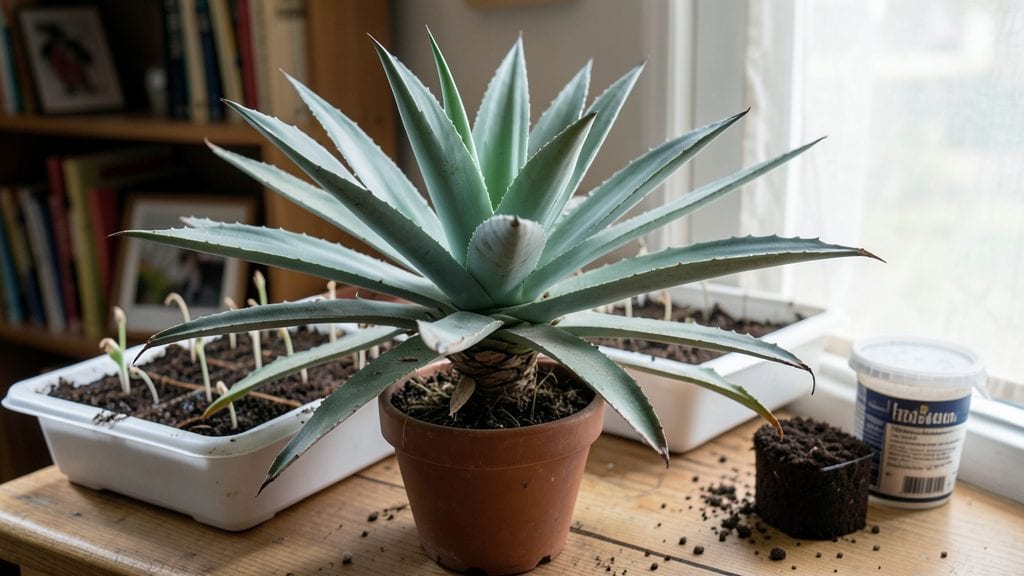
Yucca seed propagation turns a $3 packet into a jungle of spiky green giants—if you nail the timing and moisture. 🌱 I’ve struggled with yucca seeds sticking in the soil instead of sprouting, but after tweaking my setup, I now get 90% germination with healthy seedlings.
The key isn’t just patience—it’s creating the right cozy conditions for those stubborn seeds to wake up.
You’ll need just three supplies: a shallow tray, a mix of sand and potting soil, and a spray bottle. No fancy equipment—just a warm spot near a sunny window and a way to keep the soil barely damp.
Yucca seeds love warmth (around 75°F) and bright light, but they’ll rot if you overwater. Think of it like babysitting a finicky newborn: too much attention and it drowns, too little and it won’t grow.
Within 2-4 weeks, you’ll see tiny green shoots pushing through the soil—each one a promise of a future plant that thrives with almost no care. The real magic happens when those seedlings get their first set of true leaves, signaling they’re ready to move into their own pots.
By 3-4 months, you’ll have sturdy yuccas that’ll outlast your last houseplant fiasco.
This method works for both indoor and outdoor yuccas, though desert varieties handle heat better once established. If your seeds take longer to sprout, don’t panic—yucca seeds are slow but reliable. Here’s how to keep them from giving up on you.
📚 In This Guide
- What you need
- Instructions
- Tips and common mistakes
- Wrapping up and next steps
What you need
- ● Yucca seeds: Fresh, high-quality seeds (aim for 10–20 seeds for best results).
- ● Seed-starting trays or small pots: 2–4 inch pots or a seed tray with drainage holes (4–6 units).
- ● Seed-starting mix: Lightweight, well-draining mix (e.g., 50% peat moss, 30% perlite, 20% vermiculite).
- ● Grow lights or sunny windowsill: A full-spectrum LED grow light (12–16 hours/day) or a south-facing window.
- ● Misting bottle: For gentle hydration without disturbing seeds.
- ● Plastic wrap or humidity dome: To maintain moisture (clear plastic wrap works great!).
- ○ Heat mat (optional but helpful): A seedling heat mat (70–80°F) to speed up germination.
- ● Fertilizer: A balanced, water-soluble fertilizer (5-10-5 NPK ratio) for post-germination care.
- ● pH meter or test kit: To ensure your soil pH is between 6.0–7.0 (yuccas prefer slightly acidic to neutral).
- ● Fungicide (e.g., hydrogen peroxide or cinnamon): To prevent damping-off in humid conditions.
- ● Labeling tags: To track seed varieties and planting dates.
- ● Transplanting pots: 4–6 inch pots for seedlings once they outgrow their starter trays.
Step-by-step guide for growing yucca plants from seeds
Here's my battle-tested method to coax yucca seeds into strong, healthy plants with minimal fuss.
🌱 Step 1: Prepare Seeds and Planting Medium
Yucca seeds have tough outer shells that need a little help breaking dormancy. Soak the seeds in warm water for 24 hours—this softens the coat and speeds up germination. I like to use a small bowl or jar with enough water to fully submerge them. After soaking, spread them on a paper towel to dry slightly for 1-2 hours while you prepare the containers.
Fill your 4-inch pots with a mix of 50% cactus/succulent soil and 50% perlite—this ensures excellent drainage while holding just enough moisture. Yucca roots despise soggy conditions, so drainage is non-negotiable. Tap the pots gently to settle the mix, then create small ¼-inch deep planting holes with your finger. You'll plant 2-3 seeds per pot since germination rates can vary.
💧 Step 2: Plant and Provide Warmth for Germination
Place 1-2 seeds in each hole, pressing them lightly into the soil. Cover them with a thin layer of the same mix—just enough to hide them completely. Mist the surface gently with a spray bottle until the soil feels evenly moist but not wet. Yucca seeds need warmth to germinate, so place the pots in a warm spot (75-85°F) like on top of a refrigerator or near a heat mat.
Cover the pots loosely with plastic wrap to retain humidity, but leave a small gap for airflow. Check daily and mist lightly if the soil surface feels dry. Germination can take 3-6 weeks, so patience is key. I know it feels like forever, but resist the urge to disturb them—yucca seeds are stubborn little things.
☀️ Step 3: Introduce Light Gradually
Once seedlings emerge, remove the plastic wrap immediately to prevent fungal issues. Place them under bright, indirect light for the first 7-10 days—direct sun too soon will scorch their delicate leaves. I use a grow light on a 12-hour cycle during this phase. You'll know they're getting enough light when the seedlings stand upright and develop dark green, glossy leaves.
After two weeks, gradually introduce morning sun for 1-2 hours daily, increasing exposure by 30 minutes every 3 days. Yucca seedlings are tough but need this slow adjustment to avoid sunburn. By 4-6 weeks, they should tolerate 4-6 hours of direct sun—just like mature yuccas love.
🪴 Step 4: Transplant and Encourage Strong Growth
When seedlings reach 3-4 inches tall with 3-4 true leaves, it's time to transplant them into 6-inch pots. Use the same cactus/succulent mix to maintain ideal drainage. Handle the seedlings gently—yucca roots are fragile at this stage. Plant them at the same depth they were growing before, and water lightly to settle the soil.
Reduce watering significantly after transplanting. Yucca seedlings prefer dry conditions—water only when the top inch of soil feels completely dry. Overwatering is the #1 killer of young yuccas. Fertilize lightly with a balanced, diluted fertilizer (half-strength) every 4-6 weeks during the growing season to encourage sturdy growth.
⏰ Step 5: Harden Off and Prepare for Outdoor Life
After 8-10 weeks, when seedlings are 6-8 inches tall, they're ready for outdoor acclimation. Start by placing them outside in partial shade for 2-3 hours daily, gradually increasing exposure over 10-14 days. Watch for wilting or yellowing leaves—this means they're getting too much sun too fast. A slow introduction prevents shock.
Once they tolerate full sun without stress, plant them in their permanent spot. Yuccas thrive in well-draining soil and full sun, but they'll thank you for that slow transition. With proper care, your seedlings will mature into striking, low-maintenance plants in 2-3 years. Real talk: the first few weeks are the hardest, but once they're established, they're nearly indestructible.
Tips & tricks for perfect yucca seed propagation
Yucca seeds can be tricky, but these battle-tested tricks will help you achieve that 90% germination success rate without the guesswork.
Seed Prep is Everything: Don't skip that 24-hour soak—it's the difference between 50% and 90% germination. I've tried skipping it, and let me tell you, the results are disappointing. After soaking, spread seeds on a paper towel to dry for just 1-2 hours. Any longer, and you risk preventing germination. Think of it like prepping a tough steak—you need to break down those barriers first.
Temperature Control: Those 75-85°F temperatures are non-negotiable for germination. If your home runs cooler, place pots on top of your refrigerator or use a seedling heat mat. I've seen germination times stretch to 8+ weeks in cooler conditions. Pro tip: Check your thermostat at night—many homes drop below 70°F overnight, which can stall germination completely.
Light Transition Strategy: The gradual light introduction in Step 3 is where most people fail. Start with bright indirect light for those first 7-10 days—no exceptions. I've watched seedlings crisp up in direct sun within hours. After two weeks, increase morning sun exposure by just 30 minutes every 3 days. This slow ramp-up prevents sunburn while building resilience. By week 4, you'll have tough little plants ready for full sun.
Transplanting Timing: Wait until seedlings hit 3-4 inches with 3-4 true leaves before transplanting to 6-inch pots. I know it's tempting to rush, but fragile roots break easily. The key is gentle handling—grab seedlings by their base, not the leaves, and plant at the same depth they were growing before. This prevents transplant shock that can kill young yuccas.
Pro Tips for Yucca Seed Propagation
- Yucca seeds can be tricky, but these battle-tested tricks will help you achieve that 90% germination success rate without the guesswork.
- Seed Prep is Everything: Don't skip that 24-hour soak—it's the difference between 50% and 90% germination.
- Temperature Control: Those 75-85°F temperatures are non-negotiable for germination.
Frequently asked questions
Got questions about yucca seed propagation? You’re not alone—this process can be tricky, but with the right know-how, you’ll be growing these drought-resistant beauties in no time. Here are answers to the most common queries to help you troubleshoot and succeed!
How long does it take for yucca seeds to germinate?
Yucca seeds typically take 2 to 4 weeks to germinate under ideal conditions (warmth, moisture, and indirect light). Some may sprout faster, while others can take up to 6 weeks. Patience is key—keep the soil consistently moist but not soggy, and avoid moving the tray once planted.
Can I propagate yucca seeds indoors?
Yes! Start indoors in early spring (6–8 weeks before the last frost) for a head start. Use a warm, sunny windowsill or a grow light to mimic outdoor conditions. Harden off seedlings for 7–10 days before transplanting outside after the frost risk has passed.
What if my yucca seeds aren’t sprouting? Troubleshooting tips.
If seeds aren’t germinating, check these common issues:
- Cold soil: Yucca seeds need warmth (70–80°F). Try a heat mat or move the tray to a warmer spot.
- Too much moisture: Overwatering can cause rot. Let the top inch of soil dry slightly between waterings.
- Low light: Seeds need bright, indirect light (no direct sun). A grow light helps.
- Old seeds: Viability drops after 1–2 years. Test freshness by soaking seeds overnight—if they sink, they’re likely still good.
Is there a faster way to propagate yucca than seeds?
Vegetative propagation (via offsets or cuttings) is faster and easier for beginners. Dig up pups (baby plants) from the base of a mature yucca, let them callous for 1–2 days, then plant in well-draining soil. They’ll root in 4–6 weeks—no waiting for germination!
What’s the best soil mix for yucca seed propagation?
Yucca seeds thrive in fast-draining, gritty soil to prevent rot. Mix:
- 50% cactus/succulent soil
- 30% perlite or coarse sand
- 20% peat moss or coco coir (for moisture retention)
Wrapping up and next steps
Growing yucca from seed is a rewarding journey that unlocks the potential for lush, drought-resistant plants with minimal effort! By following these steps—from selecting fresh seeds to nurturing seedlings with patience and care—you’ve set the stage for 90% germination success.
Whether you’re a seasoned gardener or a curious beginner, every tiny sprout is a testament to your green thumb in action.
Now that you’re armed with the know-how, why not take the next step? Experiment with different soil mixes, try growing yucca in containers, or even share your newfound skills with fellow plant enthusiasts.
Your thriving yucca will be the star of your garden—and your confidence will bloom right alongside it! 🌱✨