
Propagation
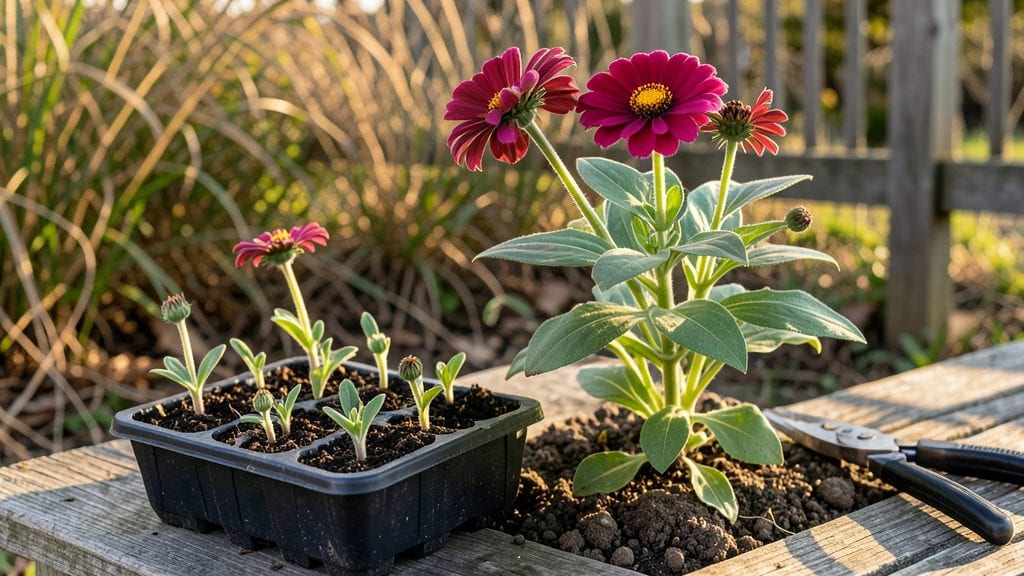
Check out these stunning zinnia seeds images—they’re the secret to growing those jaw-dropping summer blooms that turn your garden into a postcard. 🌻 I’ve saved every packet of seeds I’ve ever planted—some from heirloom varieties, others from those tiny, jewel-toned packets that scream "plant me!"—and each one tells a story of color and life waiting to burst through the soil.
What makes zinnia seeds so special isn’t just their vibrant hues—it’s how they transform a simple garden corner into a living canvas. The seed packets themselves are a feast for the eyes, with deep reds, sunny yellows, and even black-and-white striped varieties that look like tiny works of art.
These aren’t just seeds; they’re the first brushstrokes of your summer masterpiece.
Imagine the moment those first green shoots push through the dirt, then the bold, velvety blooms that follow—zinnia seeds deliver on that promise every time. You’ll end up with cut flowers that last for days in a vase, or a border so lush it stops neighbors in their tracks.
The best part? They’re easy to grow, even for beginners.
Whether you’re saving seeds for next year, displaying packets as decor, or planning your next garden layout, these seeds are the gateway to effortless beauty. Let’s dive into how to make the most of them—from packet to paradise.
📚 In This Guide
- What you need
- Instructions
- Tips and common mistakes
- Wrapping up and next steps
What you need
- ● Zinnia seeds: Choose heirloom or hybrid varieties (e.g., 'Benary’s Giant,' 'Profusion,' or 'Crystal'). Aim for 10–20 seeds per pot or 1–2 lbs for a larger garden plot.
- ● Seed-starting mix: A lightweight, sterile seedling mix (avoid garden soil—it’s too dense!). A 10–15 lb bag covers ~10–15 seed trays.
- ● Containers: For indoor starts: 2–3 inch deep seedling trays or biodegradable peat pots (10–20 units).
- ● For direct sowing: 6–12 inch deep pots or garden beds with well-draining soil.
- ● Grow lights or sunny windowsill: A full-spectrum LED grow light (12–16 hours/day) or a south-facing window with 6+ hours of sunlight.
- ● Watering can or spray bottle: A gentle misting nozzle prevents seed displacement.
- ● Fertilizer: A balanced liquid fertilizer (10-10-10 or 5-5-5) or compost tea for organic growth.
- ● Heat mat: Speeds up germination (set to 70–75°F).
- ● Humidity dome: Keeps seeds cozy until sprouts emerge.
- ● Label markers: Track varieties (e.g., ‘Zinnia ‘Double Click’ – Planted 3/15).
- ● Pruning shears: For deadheading spent blooms to encourage more flowers.
- ● Stakes or cages: Tall varieties (like ‘State Fair’) may need support (e.g., 5–6 ft stakes).
- ● Camera or phone: Capture those showstopper blooms for your zinnia seeds images gallery!
How to grow zinnias from seed to stunning blooms
Here's my foolproof method for growing zinnias that will wow your garden with their bold colors.
🌱 Step 1: Start Seeds Indoors or Direct-Sow After Frost
Zinnia seeds germinate best when soil temperatures reach 60-65°F. If your spring is cool, start seeds indoors 4-6 weeks before your last frost date using the seed-starting mix and biodegradable pots. Press 1-2 seeds per pot just below the soil surface—about ¼ inch deep—since zinnias need light to germinate.
Keep the soil consistently moist but not soggy, and place the pots in a warm spot with bright light (a grow light works best). You'll see sprouts in 5-10 days. If you're in a warmer climate, you can skip indoor starting and direct-sow seeds outdoors once the soil warms up.
☀️ Step 2: Harden Off Seedlings and Transplant
If you started indoors, harden off seedlings by placing them outside in a sheltered spot for 1-2 hours the first day, gradually increasing time over 7-10 days. This helps them adjust to outdoor conditions without shock. Choose a sunny spot in your garden that gets at least 6-8 hours of direct sunlight daily—zinnias thrive in full sun.
Transplant seedlings 12-18 inches apart to give them room to grow. Dig a hole slightly deeper than the pot, place the seedling in, and firm the soil gently around the base. Water deeply right after planting to help roots establish. If direct-sowing, thin seedlings to 12-18 inches apart once they sprout.
💧 Step 3: Water and Fertilize for Strong Growth
Zinnias are drought-tolerant once established, but they need consistent moisture while young. Water deeply 1-2 times per week, ensuring the top 2 inches of soil stay moist but not waterlogged. Overwatering can lead to weak stems and fungal issues, so let the soil dry slightly between waterings.
Feed seedlings with balanced liquid fertilizer (10-10-10) every 2-3 weeks once they develop their first true leaves. Stop fertilizing once buds form to encourage flowering. You’ll notice strong, upright stems and vibrant foliage as they mature—this means you’re on the right track!
✂️ Step 4: Deadhead and Maintain for Continuous Blooms
To keep zinnias flowering all season, deadhead spent blooms by snipping off faded flowers with clean pruning shears. This encourages the plant to produce more buds. Pinch back leggy stems to promote bushier growth, especially if your zinnias start looking tall and sparse.
Watch for pests like aphids or spider mites, which can weaken plants. Spray with neem oil if needed, but zinnias are generally low-maintenance. With proper care, you’ll enjoy vibrant blooms from early summer until frost—perfect for cutting gardens or pollinator-friendly landscapes.
Tips & tricks for perfect zinnia growth
Growing zinnias from seed is easier than you think—here are my go-to tricks to help you avoid common pitfalls and grow showstopping blooms every time.
Soil Temperature Secret: Those 60-65°F soil temperatures in Step 1 are non-negotiable for germination. I've learned the hard way that cooler soil can leave you waiting weeks for sprouts. Use a soil thermometer to check—if it's below 60°F, either wait or create a warm microclimate with black plastic mulch to speed things up. The first 5-10 days are critical for getting those seeds to pop!
Lighting Game-Changer: Don't skimp on light during the indoor starting phase. While natural sunlight is ideal, a basic grow light (even a simple LED bulb) works wonders if you're short on windowsill space. Keep it just a few inches above the seedlings—close enough for strong growth, but not so close it burns them. I place mine on a timer for 12-14 hours of light daily to mimic summer conditions.
Transplanting Wisdom: When transplanting your 12-18 inch spaced seedlings, make the hole slightly deeper than the root ball. This encourages stronger root development as the plant settles in. After planting, give them a good drink of water to help eliminate air pockets around the roots. I always water again after 24 hours to prevent transplant shock from drying out.
Watering Technique: The deeply 1-2 times per week guideline in Step 3 is perfect, but here's the trick: water in the morning so foliage has all day to dry. Wet leaves at night invite fungal problems. I use a soaker hose for established plants—it delivers water right to the roots without wetting the leaves, keeping your zinnias healthier and reducing the need for constant monitoring.
Pro Tips for Zinnia Seeds Images
- Growing zinnias from seed is easier than you think—here are my go-to tricks to help you avoid common pitfalls and grow showstopping blooms every time.
- Soil Temperature Secret: Those 60-65°F soil temperatures in Step 1 are non-negotiable for germination.
- Lighting Game-Changer: Don't skimp on light during the indoor starting phase.
Frequently asked questions
Got questions about growing zinnias from seed? We’ve got answers! Whether you’re a first-time gardener or a seasoned pro, these common queries will help you cultivate stunning blooms with ease.
When is the best time to plant zinnia seeds?
Zinnia seeds thrive in warm soil—wait until after the last frost when temperatures stay above 50°F (10°C). For a longer bloom season, start seeds indoors 6–8 weeks before transplanting or sow directly outdoors in spring or early summer. If you live in a hot climate, you can even plant a fall crop for late-season color!
How deep should I plant zinnia seeds?
Zinnia seeds are tiny but mighty—plant them just ¼ inch (0.6 cm) deep in well-draining soil. Press them lightly into the earth and keep the soil moist (not soggy) until germination, which usually takes 5–10 days. Overwatering can cause them to rot, so patience is key!
Why aren’t my zinnia seeds germinating?
Cold soil, poor drainage, or old seeds can stall germination. Try these fixes:
- Warmth: Use a seedling heat mat if temps dip below 60°F (15°C).
- Moisture: Mist seeds daily (keep soil damp, not wet).
- Fresh seeds: Zinnia seeds lose viability after 1–2 years—check the packet date!
- Light: Once sprouted, move seedlings to bright, indirect light.
Can I grow zinnias from store-bought flowers?
Yes! Save seeds from open-pollinated zinnias (not hybrids) by letting a few blooms fade naturally. Once the flower head dries, rub it to collect seeds—store them in a paper envelope in a cool, dark place. Pro tip: Label them by color to avoid surprises next season!
What’s the best way to take zinnia seed images for planting reference?
Capture clear, close-up shots with natural light and a macro setting (if your camera has it). Focus on:
- Seed size and shape (they’re tiny and oval).
- Soil depth markers (use a ruler for scale).
- Germination stages (early sprouts vs. mature seedlings).
Wrapping up and next steps
From tiny zinnia seeds to breathtaking blooms, your garden journey is just beginning—and it’s already packed with color and joy! 🌸 Whether you’re a seasoned gardener or a beginner, these vibrant flowers are a rewarding addition to any space.
Now that you’re armed with tips, FAQs, and inspiration, it’s time to plant those seeds and watch your garden transform.
Ready to take the next step? Grab your gloves, pick your favorite zinnia variety, and start sowing! Your future garden will thank you—one stunning bloom at a time. 🌱