
Pruning
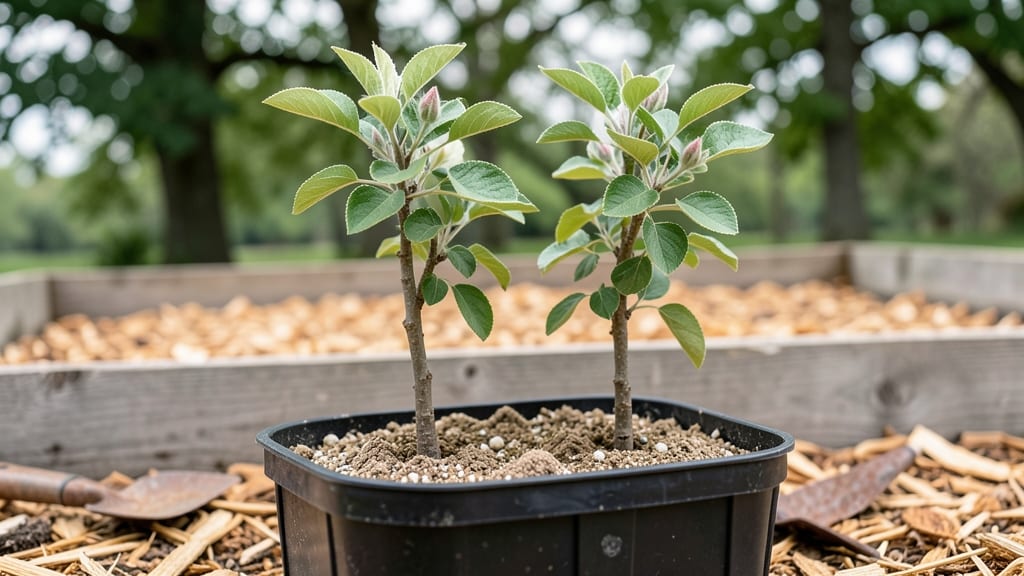
Caring for apple tree seedlings starts with keeping their roots moist without drowning them—this is the secret to strong, deep roots that support a lifetime of fruit. 🌱 I learned the hard way that seedlings wilt faster than you think, and overwatering can suffocate them just as much as letting them dry out.
The key is a balanced approach that mimics natural rainfall patterns.
You’ll need well-draining soil mixed with compost, a watering can with a gentle spray nozzle, and a spot with at least 6-8 hours of sunlight daily. Mulch helps lock in moisture while keeping roots cool, and pruning young branches encourages a sturdy structure.
The first few months are critical—this is when you build a foundation for a healthy, productive tree.
By following these steps, you’ll see roots spreading into the soil within 4-6 weeks, and the seedlings will grow taller with each passing season. The leaves stay vibrant green, and the tree develops resilience against common pests.
Think of it as planting a future harvest, one careful watering at a time.
This method works for both container-grown seedlings and those planted directly in the ground, making it adaptable to any backyard. Once you master moisture control, your apple tree will reward you with years of fruit—if you give it the right start now.
📚 In This Guide
- What you need
- Instructions
- Tips and common mistakes
- Wrapping up and next steps
What you need
- ● Apple tree seedling: 1 healthy, 1–2-year-old seedling (bare-root or potted, grafted for best fruit quality).
- ● Well-draining soil: 5–10 gallons of a mix of: 60% topsoil
- ● 30% compost or aged manure
- ● 10% perlite or coarse sand (for aeration)
- ● Planting hole: 2–3 times wider and just as deep as the seedling’s root ball.
- ● Organic mulch: 2–3 inches of wood chips, straw, or shredded leaves (keep 6 inches away from the trunk).
- ● Watering can or hose: With a gentle spray nozzle (1–2 gallons per watering session).
- ● Fertilizer: Balanced 10-10-10 or slow-release organic fertilizer (1 tbsp for seedlings).
- ● Pruning shears: Sharp, sterilized shears (for shaping and removing dead branches).
- ○ Support stake (optional): 4–6 ft wooden or bamboo stake + soft garden tie.
- ○ Root stimulator (optional): Mycorrhizal fungi or liquid rooting hormone (dip roots before planting).
- ○ Drip irrigation or soaker hose (optional): For consistent moisture control.
- ● Sunlight: Full sun (6+ hours daily).
- ● Climate: Plant in early spring or fall (avoid extreme heat or frost).
- ● Drainage: Avoid low-lying areas prone to waterlogging.
Step-by-Step instructions for apple tree seedling care
Here's how to nurture young apple trees into strong, healthy saplings with perfect moisture balance.
🌱 Step 1: Prepare the Planting Site for Ideal Moisture
Choose a spot with well-draining soil that receives 6-8 hours of sunlight daily. Apple seedlings need room to grow—dig a hole twice as wide as the root ball but only as deep as the container's height. This prevents burying the graft union, which is critical for fruit production.
Loosen the soil at the bottom of the hole with a garden fork to encourage root spread. Mix in a handful of compost to improve moisture retention without compacting the soil. The goal is to create a loose, airy environment that holds moisture but won't suffocate roots.
💧 Step 2: Water Deeply and Establish a Moisture Routine
Water the seedling thoroughly before planting to help roots adjust. After placing it in the hole, fill the gap with soil and press gently to remove air pockets. Water again immediately to settle the soil around the roots. This first deep watering helps prevent transplant shock and encourages root growth downward.
Keep the soil consistently moist but not soggy for the first 4-6 weeks. You'll know it's right when the top 1-2 inches of soil feel damp to the touch but not wet. Mulch around the base with 2-3 inches of organic mulch to retain moisture and suppress weeds. Avoid piling mulch against the trunk—keep it 3 inches away to prevent rot.
☀️ Step 3: Monitor Light and Adjust Watering as Needed
Apple seedlings need bright, indirect light to grow strong stems. If you notice leaves yellowing or wilting, it's often a sign of uneven moisture or too much direct sun. In hot climates, water early in the morning to reduce evaporation and stress on the plant.
As the seedling grows, adjust your watering schedule based on weather. During dry spells, water every 2-3 days until the soil feels moist again. In cooler, rainy periods, reduce to once a week. The key is to keep the root zone consistently moist—this encourages deep root development, which is essential for apple trees.
✂️ Step 4: Prune and Protect for Long-Term Health
Prune any damaged or crossing branches in early spring to improve airflow and reduce disease risk. Use clean, sharp pruners to make cuts just above a bud or branch collar. This helps the tree direct energy into strong, healthy growth rather than weak, crowded branches.
Watch for signs of stress like curled leaves or brown spots, which could indicate overwatering or fungal issues. If you see these, reduce watering slightly and ensure the mulch isn't too thick. A healthy seedling will have dark green leaves, firm stems, and steady growth. With consistent care, your apple tree will develop a strong root system ready for fruit production in just a few years.
Tips & tricks for perfect apple tree seedling care
Here's what I've learned from years of nurturing young apple trees—these small details make all the difference in establishing strong roots.
Soil Preparation Secret: When loosening the soil in Step 1, focus on breaking up any compacted layers at the bottom of the hole. I like to use a garden fork to create a loose, almost fluffy texture—this encourages roots to spread outward rather than circling the root ball. The goal is to mimic the natural aeration of forest soil where apple trees thrive. Think of it as creating a cozy nest for your seedling's roots to explore.
Watering Technique: For that first deep watering after planting in Step 2, I recommend using a watering wand or soaker hose to deliver water slowly and evenly. This prevents soil erosion and helps water penetrate deeply to the roots. You'll know you've done it right when water begins to pool on the surface—this indicates the soil has absorbed enough moisture. The key is consistency: aim for that damp-but-not-soggy feel in the top 1-2 inches of soil for those critical first 4-6 weeks.
Mulch Application: Don't skip the mulch in Step 2, but here's the trick: apply it in a donut shape, keeping it 3 inches away from the trunk. I use shredded bark mulch because it breaks down slowly while retaining moisture. A 2-3 inch layer works perfectly—any thicker and it can suffocate the roots by preventing oxygen flow. This layer acts like a natural blanket, keeping moisture levels steady while protecting against temperature swings.
Light Monitoring: In Step 3, when you notice leaves yellowing, it's often a moisture issue rather than a light problem. I've found that morning watering is crucial in hot climates—it gives the plant time to absorb moisture before the sun intensifies. If your seedling is getting 6-8 hours of sunlight but still struggling, check the soil moisture first. Sometimes what looks like sunburn is actually thirst.
Pro Tips for Apple Tree Seedling Care
- Here's what I've learned from years of nurturing young apple trees—these small details make all the difference in establishing strong roots.
- Soil Preparation Secret: When loosening the soil in Step 1, focus on breaking up any compacted layers at the bottom of the hole.
- Watering Technique: For that first deep watering after planting in Step 2, I recommend using a watering wand or soaker hose to deliver water slowly and evenly.
Frequently asked questions
Got questions about nurturing your apple tree seedling?
You’re not alone! Here are answers to the most common concerns—from timing to troubleshooting—so you can grow a thriving tree with confidence.
How long does it take for an apple tree seedling to establish roots before transplanting?
Most apple tree seedlings need 1–2 growing seasons (about 6–12 months) to develop a strong root system before transplanting. Look for new shoots and healthy foliage as signs—these indicate roots are spreading. Avoid transplanting in extreme heat or cold to minimize shock.
Can I grow an apple tree from a seed, or should I buy a grafted seedling?
While you can grow from seed, it’s a gamble—seed-grown trees may not produce fruit true to the parent variety. For reliable, fruit-bearing trees, opt for grafted seedlings from nurseries. They’re disease-resistant, faster-growing, and guarantee the flavor you love!
How often should I water my apple tree seedling, and how much?
Water deeply 2–3 times per week (more in hot/dry climates) to encourage deep root growth. Aim for 1–2 inches of water per week, soaking the soil until it’s moist 6 inches down. Avoid overhead watering to prevent fungal diseases—stick to drip irrigation or soaker hoses instead.
What should I do if my seedling’s leaves turn yellow or wilt?
Yellow leaves often signal overwatering, underwatering, or pests. Check the soil—it should be moist but not soggy. For wilting, trim damaged leaves and adjust watering. Inspect for aphids or spider mites (common culprits) and treat with neem oil or insecticidal soap if needed.
Do apple tree seedlings need full sun, or can they tolerate partial shade?
Seedlings thrive in full sun (6+ hours daily), but they can tolerate partial shade (4–6 hours) if young. Too much shade delays growth and reduces fruit quality. If planting in shade, choose a sunny spot with gradual exposure as the tree matures.
Wrapping up and next steps
Caring for an apple tree seedling is all about patience, precision, and layered moisture control—and you’ve got this! 🌱 By mastering the right soil prep, watering techniques, and protective measures, you’re setting the stage for a thriving, fruit-bearing tree. Remember, healthy roots today mean bountiful harvests tomorrow.
Ready to take the next step? Start by monitoring your seedling’s progress—adjust watering as seasons shift, and don’t hesitate to prune strategically as it grows. Before you know it, you’ll be harvesting crisp, homegrown apples straight from your own backyard! 🍏✨