
Propagation
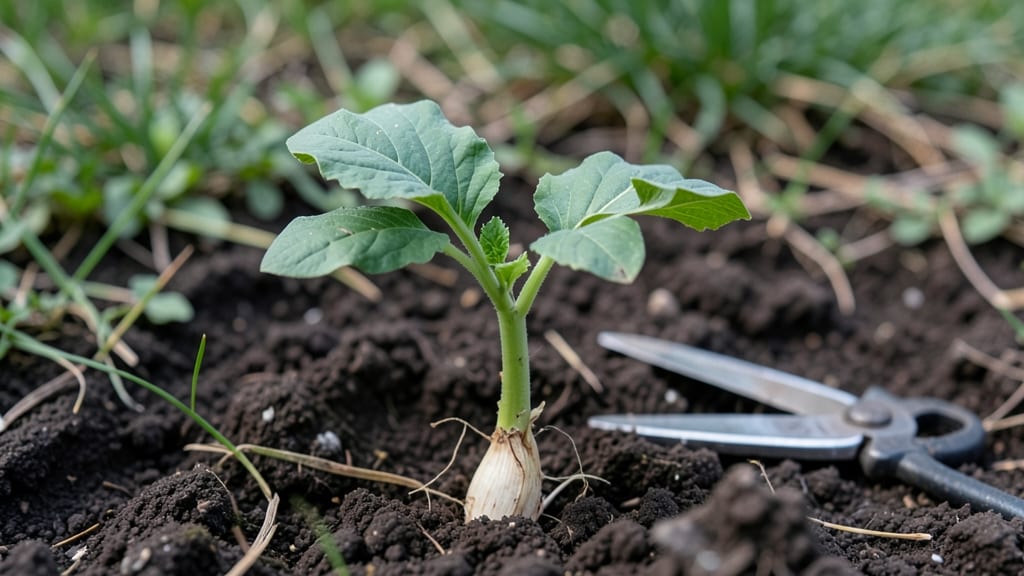
A broken seedling stem doesn’t mean game over—it’s just a chance to save your plant with the right moves. 🌱 I’ve nursed back more snapped seedlings than I’d like to admit, and the secret is acting fast to stabilize the break while giving roots time to recover.
Most people panic and toss the plant, but with a little support and patience, you’ll see new growth in weeks.
The damage usually happens from wind, clumsy handling, or pests chewing at weak stems. First, assess the break: if it’s clean and not mushy, you’ve got a fighting chance.
Use a toothpick or small stick to splint the break, securing it with tape or a dab of diluted honey (yes, really—it’s antibacterial). Keep the soil moist but not soggy, and shade the plant for a few days to reduce stress.
Within 2-3 weeks, you’ll spot tiny new leaves sprouting from the base or just above the break—proof the plant is healing. The key is consistency: check daily for signs of rot or pests, and avoid moving the plant until the stem feels firm again.
Once it’s sturdy, it’ll outgrow the break entirely, stronger than before.
This trick works for tomatoes, peppers, herbs, and even delicate seedlings like lettuce. The only rule? Don’t wait—act within 24 hours for the best results. Your seedlings will thank you with a season of lush, unbroken growth.
What Weakens Young Stems
When a seedling’s stem snaps or bends under pressure, it’s rarely a random accident—it’s usually the result of avoidable stress. Understanding the root causes (pun intended) helps you prevent future breakage and nurture stronger plants. Here’s why delicate stems fail, and what you can do about it.
Seedlings with tangled or root-bound systems struggle to support their own weight. When roots grow too densely in a small container, they compete for nutrients and water, weakening the stem’s structural integrity. This is especially common in:
- Overcrowded trays – Too many seedlings in one cell or pot force them to stretch upward too quickly, making stems thin and brittle.
- Poor soil aeration – Compacted or waterlogged soil restricts root growth, leaving stems unsupported.
- Lack of pruning – If you don’t thin seedlings early, the strongest one may grow at the expense of its neighbors, creating a "winner-takes-all" scenario that stresses the stem.
💡 Pro Tip: Use individual pots or modular trays (like peat pellets) to give each seedling room to develop a robust root system. If transplanting, gently tease apart roots to encourage outward growth.
Seedlings are like toddlers—one wrong move (or gust of wind) can send them toppling. Environmental stress causes stems to snap because they lack the time to adapt. Common triggers include:
- Temperature swings – Cold drafts (from AC vents or open windows) cause stems to stiffen and crack. Heat stress (like sitting near a heater) weakens cell walls, making them prone to bending.
- Wind exposure – Even gentle breezes can stress young stems, especially if they’re tall and top-heavy. Outdoors, a single strong gust can break a seedling at the base.
- Light fluctuations – Moving seedlings between shade and direct sun too quickly causes etiolation (stretching for light), leading to weak, leggy stems that can’t support themselves.
🌡️ Action Step: Keep seedlings in a stable microclimate—away from vents, in a humidity dome, or under a grow light on a timer. If outdoors, use a cloche or shade cloth to buffer wind and sun.
Water plays a double-edged role in stem strength. On one hand, underwatering causes stems to dry out and become brittle. On the other, overwatering leads to root rot, which starves the stem of structural support. Here’s how to spot the imbalance:
| Symptom | Cause | Fix |
|---|---|---|
| Wilted, droopy stems that snap easily | Drought stress (cells lose turgor pressure) | Water at soil level (not overhead) and use a moisture meter to avoid guesswork. |
| Mushy, discolored stems at the base | Overwatering (anaerobic roots can’t absorb nutrients) | Let the top inch of soil dry out between waterings; add perlite to improve drainage. |
| Stems that bend but don’t break (like a "floppy" plant) | Uneven moisture (roots dry out unevenly) | Use a self-watering tray or group seedlings together to maintain humidity. |
✨ Expert Hack: For high-value seedlings (like tomatoes or peppers), mix hydrogel crystals into the soil to lock in moisture without drowning roots.
A seedling’s stem is only as strong as its diet. Without the right nutrients, stems grow weak and prone to breakage. The most critical deficiencies are:
- Nitrogen (N) – Too little = slow growth and thin stems. Too much = leggy, floppy growth that can’t support itself.
- Calcium (Ca) – Essential for cell wall strength. A deficiency causes stems to become soft and prone to cracking (common in tomatoes and peppers).
- Potassium (K) – Helps regulate water uptake; low levels lead to weak vascular tissue, making stems more brittle.
📊 Soil Test Tip: Use a DIY soil test kit to check pH and nutrient levels. Seedlings thrive in pH 6.0–7.0. If calcium is lacking, amend soil with crushed eggshells or gypsum.
By addressing these common stressors, you’ll give seedlings the foundation they need to grow tougher stems—not just taller ones. Next, we’ll cover how to revive a broken stem and encourage regrowth.
Quick Fixes for Fragile Seedling Stems
A broken seedling stem might seem like a setback, but with the right care, your little plant can bounce back stronger than ever! Below are practical, step-by-step solutions tailored to the most common causes—plus prevention tips to keep future seedlings sturdy.
If your seedling’s stem broke during transplanting or pruning, act fast to minimize stress and encourage regrowth.
🔥 Step 1: Assess the Damage
- Check the break: If the stem is completely severed, you may need to propagate from cuttings.
If it’s partially damaged (e.g., a clean break or a small tear), it can often heal. - Look for signs of rot: If the break is mushy or discolored, trim away the damaged section immediately to prevent infection.
👨🍳 Step 2: Stabilize the Stem
- For minor breaks: Gently press the broken ends together (if they align) and secure them with a toothpick or small splint dipped in water.
Use a drop of honey or cinnamon (natural antiseptics) to seal the wound. - For severe breaks: If the top half is still intact, place it in a small glass of water (like a makeshift propagator) to encourage rooting.
Keep it in bright, indirect light and change the water every 2–3 days.
🥘 Step 3: Support Recovery
- Reduce stress: Avoid touching the seedling for a week.
Keep it in a humid environment (like a plastic bag with holes or a propagator) to speed up healing. - Fertilize lightly: Once new growth appears (after 2–3 weeks), use a diluted seaweed or fish emulsion fertilizer (½ strength) to boost recovery.
✨ Pro Tip: If the seedling is leggy or weak, bury a third of its stem in soil to encourage stronger root development. This mimics natural conditions and stabilizes the plant.
If the stem broke due to weak roots from overwatering or fungal issues, focus on drying out the soil and improving drainage.
💡 Step 1: Let the Soil Dry Out
- Stop watering immediately and let the top inch of soil dry completely before watering again.
- Check for rot: Gently remove the seedling from its pot.
If the roots are black, mushy, or smell foul, trim away the affected parts with sterilized scissors.
🔪 Step 2: Repot in Fresh, Well-Draining Mix
- Choose the right soil: Use a light, airy mix like:
- 50% coco coir or peat moss
- 30% perlite or vermiculite
- 20% worm castings or compost
- Upgrade the pot: Switch to a smaller pot with drainage holes to prevent waterlogging.
🎯 Step 3: Adjust Watering Habits
- Water only when dry: Stick your finger 1 inch deep into the soil—if it’s dry, water thoroughly but avoid soggy conditions.
- Use a moisture meter for peace of mind, especially with delicate seedlings.
💡 Pro Tip: Add a thin layer of hydroponic clay pebbles on top of the soil to improve aeration and reduce evaporation.
If your seedlings keep breaking due to weak stems or poor genetics, take proactive steps to build resilience.
📊 Step 1: Harden Off Gradually
- Expose to airflow: Place seedlings near an open window or fan (on low) for 10–15 minutes daily to toughen stems.
- Reduce humidity slowly: Over 1–2 weeks, remove the humidity dome or plastic wrap to encourage natural stem thickening.
💪 Step 2: Use Natural Stem Supporters
- Bamboo stakes or toothpicks: Gently tie the seedling to a small support as it grows to prevent bending.
- Companion planting: Grow fast-growing, sturdy plants nearby (like sunflowers or corn) to provide windbreaks for delicate seedlings.
🍎 Step 3: Boost Nutrition
- Calcium-rich fertilizer: A weak solution of crushed eggshells or calcium nitrate (1 tsp per gallon of water) strengthens cell walls.
- Avoid over-fertilizing: Too much nitrogen makes stems soft and prone to snapping—stick to a balanced 5-5-5 or 10-10-10 formula.
✨ Pro Tip: If growing herbs or veggies, pinch off the top set of leaves to encourage bushier, stronger growth instead of tall, weak stems.
Remember: Patience is key! Most seedlings recover within 2–4 weeks with proper care. If all else fails, propagate from cuttings—many plants (like basil, mint, or coleus) root easily in water. 🌱
Frequently asked questions about fragile seedling stems
Can a completely snapped seedling stem regrow?
It depends! If the break is clean and the base remains healthy, new shoots often emerge from the stem nodes (those little bumps where leaves grow). For herbs like basil or mint, simply place the top half in water—it’ll root and grow a new plant! For veggies, bury the intact base deeper to encourage side shoots.
What’s the fastest way to stabilize a broken stem?
Use a toothpick or matchstick as a splint: align the broken ends, moisten the splint, and tape it gently with masking tape or a small piece of plastic wrap. Add a drop of honey or cinnamon to prevent infection. Keep the seedling in bright, indirect light and check daily for healing signs.
Why does my seedling keep breaking at the base?
This usually means root-bound stress or poor soil support. Check if roots are circling the pot—if so, transplant into a larger container with fresh, airy soil. Add perlite or vermiculite (20%) to improve drainage. For windy areas, use a small stake or pebble to anchor the stem temporarily.
Is it better to leave a broken stem alone or fix it?
Always fix it! A broken stem left unattended will rot or dry out, killing the seedling. Even if it looks hopeless, securing the break with a splint and keeping it moist gives roots time to recover. Most seedlings show new growth within 2-3 weeks if you act within 24 hours of the damage.
Can I save a seedling with a mushy, rotting stem?
Trim away the mushy parts with sterilized scissors, then repot in fresh, dry soil. Add a fungicide spray (like neem oil) to prevent further rot. If the base is completely compromised, try propagating the healthy top half in water instead. Avoid overwatering for at least 5 days to let the wound heal.