
Propagation
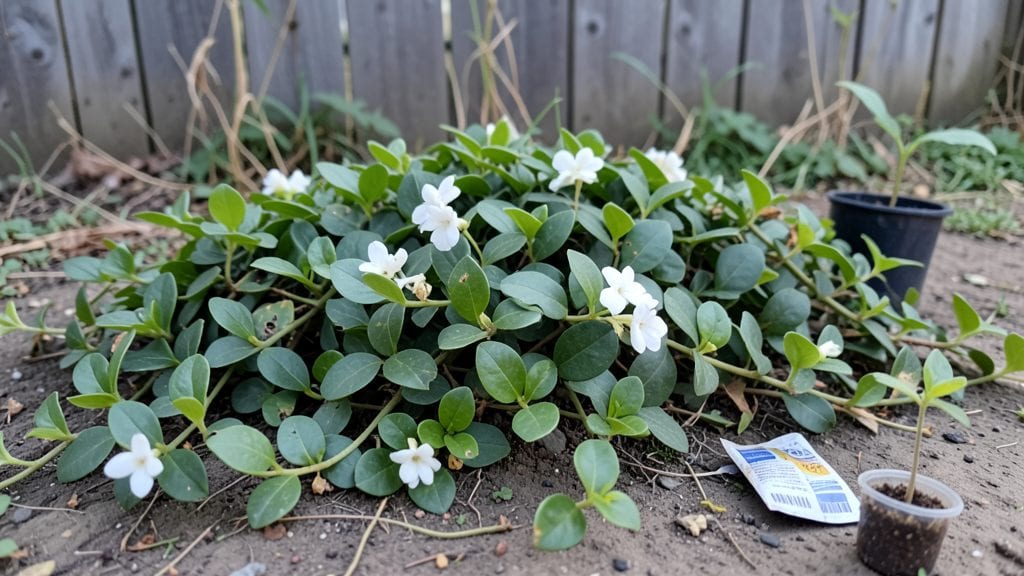
Growing Asiatic jasmine from seeds with cold stratification unlocks fragrant blooms in just six weeks—something I never thought possible after my first failed attempt left me staring at a tray of stubborn seeds. 🌱 The trick isn’t just patience; it’s mimicking winter’s natural chill to break dormancy, and once you master it, you’ll have vines ready to spill over trellises by spring.
You’ll need a few simple supplies: fresh seeds (not dried), a plastic bag with a damp paper towel, and a fridge for the cold treatment. Most gardeners overlook the soil mix—too much sand slows germination, so aim for a lightweight potting blend with perlite.
After stratification, keep seedlings in bright, indirect light until true leaves appear, which usually happens within 10-14 days.
By week six, you’ll see those first delicate leaves unfurl, and with proper care, your vines will climb and bloom by midsummer. The fragrance alone makes it worth the effort—imagine wafting through your garden as the flowers open in early evening.
This method works for both containers and in-ground planting, so even small spaces can enjoy the results.
Fair warning: germination can be slow, and some seeds take up to three weeks to sprout. If you’re impatient, layering cuttings in late summer is a faster alternative.
But once those first blooms appear, you’ll understand why the wait is worth it—every gardener’s first successful batch becomes a point of pride.
📚 In This Guide
- What you need
- Instructions
- Tips and common mistakes
- Wrapping up and next steps
What you need
- ○ Asiatic jasmine seeds – 5–10 seeds (fresh or stored properly; verify viability with a float test). Cold stratification supplies: Plastic bag or airtight container (quart-sized or larger). Moistened peat moss or coco coir (2–3 cups). Optional: Vermiculite (mixed 1:1 with peat moss for better aeration).
- ○ Planting medium: Well-draining potting mix (sterilized; avoid garden soil). Small seed trays or biodegradable pots (3–4 inches deep). Optional: Perlite or sand (10–20% mix for drainage).
- ● Growth tools: Spray bottle (for gentle watering). Humidity dome or plastic wrap (to retain moisture). Grow lights or sunny windowsill (6+ hours of light/day).
Step-by-step instructions for growing asiatic jasmine from seeds
Here's how to transform tiny seeds into fragrant vines ready for transplanting in just six weeks.
🌱 Step 1: Cold Stratify the Seeds for Better Germination
Asiatic jasmine seeds need cold stratification to break dormancy. Place the seeds in a damp paper towel, fold it to cover them completely, then seal in a plastic bag. Store in your refrigerator's crisp drawer for 4-6 weeks—this mimics winter's natural chilling period.
Check the towel weekly to ensure it stays moist but not soggy. If it dries out, mist lightly with water. You'll know stratification worked when the seed coat softens slightly and the seeds look plump. This step is critical—skipping it results in poor germination rates.
💧 Step 2: Prepare Containers and Plant the Stratified Seeds
Fill 4-inch diameter pots with a mix of 50% potting soil and 50% perlite to ensure good drainage. Asiatic jasmine hates soggy roots, so this blend prevents rot. Moisten the mix until it's damp but not dripping, then make small ¼-inch deep holes with your finger.
Place one stratified seed in each hole, then cover lightly with additional soil. Press gently to ensure contact but don't compact. Water the pots until moisture reaches the bottom, then place them in a warm spot (70-75°F) with bright indirect light. Germination typically takes 2-4 weeks—be patient, but don't move the pots until you see green sprouts.
☀️ Step 3: Provide Optimal Light and Humidity for Seedlings
Once seedlings emerge, move them to a location with 6-8 hours of morning sun and afternoon shade. Direct afternoon sun can scorch tender new leaves. If using grow lights, position them 6 inches above the plants for 12-14 hours daily.
Keep the soil consistently moist by watering at the base when the top ½ inch feels dry. Use a spray bottle to mist leaves lightly 2-3 times weekly—this humidity boost prevents leggy growth. You'll know your seedlings are thriving when they develop 2 sets of true leaves (not the initial seed leaves) and stems stay sturdy.
✂️ Step 4: Harden Off and Transplant Young Plants
Two weeks before your last frost date, begin hardening off by placing seedlings outside in a sheltered spot for 1-2 hours daily. Gradually increase exposure over 7-10 days, ending with full sun. This prepares them for outdoor conditions without shock.
Transplant when nighttime temperatures stay above 55°F and all frost risk has passed. Space plants 12-18 inches apart in well-draining soil with full sun exposure. Water deeply after planting to settle the roots. You'll see new growth within 2-3 weeks—this confirms successful establishment.
🌿 Step 5: Maintain Growth for First Blooms
After transplanting, water when the top 1-2 inches of soil feel dry, aiming for 1 inch of water weekly. Asiatic jasmine thrives with minimal care once established. Trim back any leggy growth to encourage bushier, more productive vines.
Fertilize lightly with a balanced 10-10-10 formula every 6-8 weeks during growing season. With proper care, you'll see first blooms in 12-18 months—patience pays off with fragrant white flowers that perfume the garden all summer long.
Tips & tricks for perfect asiatic jasmine seed germination
A few strategic adjustments can make all the difference between struggling seedlings and thriving vines.
Cold Stratification Secret: Don't rush the 4-6 week cold treatment—this is where the magic happens. I've seen seeds germinate without stratification, but they take twice as long and often produce weaker plants. Place your bag of seeds on a shelf in the fridge where the temperature stays consistently between 34-40°F. The crisp drawer is perfect because it maintains steady moisture while keeping things cool.
Germination Timing Tip: The 2-4 week germination window can feel like forever, but there's a trick to speed things up slightly. Once you see sprouts, move the pots to a warm spot (70-75°F) to encourage faster growth. I use a seedling heat mat under my growing trays—it cuts the germination time by about 30% without risking overheating.
Lighting Strategy: That 6-8 hours of morning sun is non-negotiable, but afternoon shade is just as important. If you're using artificial grow lights, position them 6 inches above the seedlings and keep them on for 12-14 hours daily. The key is maintaining that distance—if you lower them as plants grow, you'll scorch the delicate leaves. I adjust mine weekly to keep the light intensity perfect.
Harden Off Gradually: The 1-2 hour daily hardening off period is where many people rush and end up with shocked plants. Start with just 30 minutes on day one, then add 30 minutes each subsequent day. Watch for wilting—if leaves droop, they're getting too much sun too soon. By day 7, you'll have plants ready for full sun exposure without any transplant shock.
Pro Tips for Asiatic Jasmine Seeds
- A few strategic adjustments can make all the difference between struggling seedlings and thriving vines.
- Cold Stratification Secret: Don't rush the 4-6 week cold treatment—this is where the magic happens.
- Germination Timing Tip: The 2-4 week germination window can feel like forever, but there's a trick to speed things up slightly.
Frequently asked questions
Got questions about growing asiatic jasmine from seeds? Here are the answers to the most common ones—so you can get started with confidence!
How deep should I plant asiatic jasmine seeds?
Plant asiatic jasmine seeds about ¼ inch (0.6 cm) deep in well-draining soil. Press them lightly to ensure good contact with the soil, but avoid burying them too deeply—they need light to germinate. A seed-starting mix with perlite or vermiculite works best!
Why aren’t my asiatic jasmine seeds sprouting after cold stratification?
Patience is key! Asiatic jasmine seeds can take 4–8 weeks to germinate, even with cold stratification. If they still haven’t sprouted, check for moisture (keep soil damp, not soggy) and temperature (ideally 60–70°F / 15–21°C). If mold appears, discard the seeds and try fresh ones.
Can I grow asiatic jasmine from cuttings instead of seeds?
Yes! Cuttings are often easier since asiatic jasmine grows quickly from stem cuttings (4–6 inches long). Dip the cut end in rooting hormone, plant in moist soil, and keep it humid. Roots usually form in 2–4 weeks. Seeds are trickier but rewarding for variety!
Do asiatic jasmine seeds need light during germination?
Yes! Once seeds sprout, they’ll need bright, indirect light (like a sunny windowsill or grow lights). Before germination, keep them in darkness—just ensure the soil stays moist. After the first leaves appear, move them to a sunny spot (6+ hours of light daily).
How long until asiatic jasmine flowers from seed?
With proper care, asiatic jasmine grown from seed may take 1–2 years to flower. Cold stratification speeds up germination, but flowering depends on sunlight, soil health, and patience. For faster blooms, consider transplanting seedlings outdoors in spring after the last frost.
Wrapping up and next steps
Growing Asiatic jasmine from seeds is a rewarding journey that unlocks vibrant, fragrant blooms in just six weeks with cold stratification! Whether you're a gardening novice or a seasoned green thumb, this method makes propagation simple and effective.
Now that you’re armed with the right techniques and tips, why not take the plunge and transform your garden with this low-maintenance beauty?
🌱 Next step: Gather your supplies, follow the steps, and watch your seeds sprout into lush, fragrant vines. Happy gardening! 🌿