
Propagation
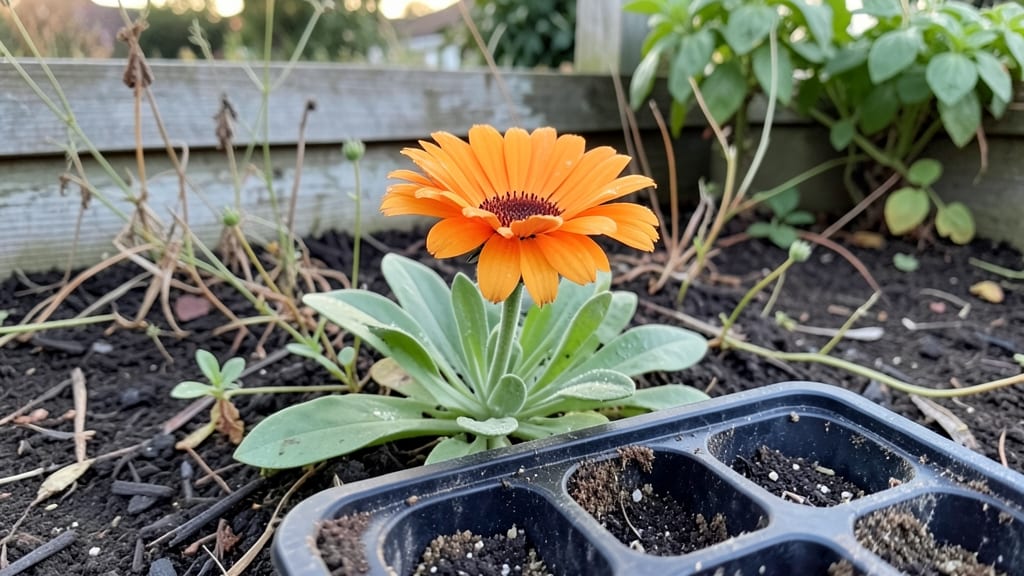
Planting gazania seeds unlocks those cheerful, sun-loving blooms that last all summer long. 🌻 I’ve grown them from seed every spring, and the trick to success starts with the right timing and soil—warmth triggers germination, so don’t rush it before the last frost.
The seeds are tiny but tough, and with just a few simple steps, you’ll have vibrant seedlings ready for transplanting in about six weeks.
You’ll need well-draining soil mix, small seed trays, and a sunny spot (or grow lights) to keep them happy. Press the seeds just below the surface—no deeper than ¼ inch—and keep the soil lightly moist but never soggy.
Gazanias love heat, so wait until nighttime temperatures stay above 55°F before sowing. Once they sprout, thin them to 6 inches apart to give roots room to stretch.
The payoff comes fast: bright orange, red, or yellow blooms appear within weeks of transplanting, and they’ll keep flowering until frost. The secret? Consistent watering and deadheading spent blooms—it’s how you encourage more flowers all season.
These plants thrive in full sun and drought once established, making them perfect for sunny borders or containers.
Fair warning: Gazanias are annuals, so save seeds from your best plants if you want to replant next year. They self-seed easily in warm climates, but in cooler zones, you’ll need to start fresh each spring.
With this method, you’ll have a border bursting with color that neighbors will envy—and it all begins with those tiny seeds.
📚 In This Guide
- What you need
- Instructions
- Tips and common mistakes
- Wrapping up and next steps
What you need
- ● Gazania seeds: 50–100 seeds (choose a variety like Gazania rigens for bright colors and drought tolerance).
- ● Seed-starting trays or small pots: 2–4 inch deep (biodegradable or plastic, with drainage holes).
- ● Seed-starting mix: 1–2 bags of lightweight, sterile potting soil (avoid garden soil—it’s too dense!).
- ● Watering can or spray bottle: With a fine mist nozzle for gentle hydration.
- ○ Clear plastic dome or plastic wrap: To create a humid microclimate (optional but helpful for germination).
- ● Grow lights or sunny windowsill: Gazania seeds need 6–8 hours of light daily (south-facing window or LED grow lights work best).
- ● Fertilizer: Balanced, water-soluble fertilizer (5-10-5 or 10-10-10 ratio) for seedlings.
- ● Transplanting tools: Small trowel or spoon for moving seedlings outdoors.
- ● Heating mat: Speeds up germination in cooler climates (70–75°F is ideal).
- ● Humidity tray: A shallow tray with pebbles and water to boost moisture levels.
- ● Labeled plant markers: To track seed varieties if testing multiple types.
- ● Organic mulch: Straw or shredded leaves to retain soil moisture after transplanting.
Step-by-Step instructions for planting gazania seeds
Here's how to grow vibrant gazania blooms from seed in just six weeks.
🌱 Step 1: Start Seeds Indoors in Early Spring
Gazania thrives in warmth, so begin planting seeds indoors 6-8 weeks before your last frost date. Use a shallow tray with sterile seed-starting mix—never garden soil, as it can harbor diseases that will kill delicate seedlings. Fill the tray to within ½ inch of the rim and gently press the mix down to create a firm planting surface.
Sow seeds ⅛ inch deep—too deep and they won’t germinate. I like to space them ¼ inch apart in rows, using a toothpick to make small holes. Cover lightly with a fine mist of water from a spray bottle, then place the tray in a warm spot (70-75°F) to encourage germination. A seedling heat mat speeds this up significantly.
💧 Step 2: Maintain Moisture and Light for Germination
Keep the soil consistently moist but never soggy—gazania seeds rot easily if overwatered. Check daily and water only when the top ¼ inch of soil feels dry. Once seeds sprout (usually in 7-14 days), remove any plastic wrap or cover immediately to prevent damping-off, a fungal disease that turns seedlings to mush overnight.
Move the tray to a sunny window or under grow lights within 24 hours of sprouting. Gazania seedlings need 12-14 hours of light daily to grow strong. If they stretch toward the light (a sign of legginess), lower the grow lights to within 2-3 inches of the seedlings. You’ll know they’re getting enough light when leaves are dark green and compact.
☀️ Step 3: Harden Off and Transplant Outdoors
Two weeks before your last frost, start hardening off seedlings by placing them outside in a sheltered spot for 1-2 hours the first day. Gradually increase their outdoor time over 7-10 days, letting them adjust to wind and sun. Gazania loves heat, so if nighttime temperatures drop below 50°F, cover them with a lightweight frost cloth.
Transplant seedlings outdoors after all danger of frost has passed, spacing them 8-12 inches apart in well-draining soil. I dig holes slightly deeper than the seedling’s root ball and firm the soil gently around the base. Water deeply right after planting to help roots establish. Avoid wetting the foliage to prevent fungal diseases.
✂️ Step 4: Care for Mature Plants Through the Season
Gazania blooms best in full sun—at least 6-8 hours daily. If you notice buds forming but not opening, the plant may need more sunlight. Deadhead spent blooms regularly to encourage continuous flowering. I pinch off faded flowers in the morning when humidity is low, which reduces the risk of disease.
Water at the base of the plant every 2-3 days during dry spells, but avoid overhead watering. Gazania is drought-tolerant once established, so let the soil dry out between waterings. If leaves start to yellow, you’re likely overwatering—these plants prefer dry conditions. Mulch around the base with 1-2 inches of organic mulch to retain moisture and suppress weeds.
Tips & tricks for planting gazania seeds
Here's what I learned the hard way after struggling with leggy seedlings and slow germination.
Temperature Matters: The 70-75°F range in Step 1 is non-negotiable for germination. I learned this after my first batch took 21 days to sprout because my kitchen was too cool. Use a seedling heat mat if your home runs cold—it can cut germination time by half.
Lighting Secret: Those 12-14 hours of light in Step 2 are crucial, but quality matters more than quantity. If your seedlings stretch toward the light (called "etiolation"), you're not providing enough intensity. Lower your grow lights to within 2-3 inches of the seedlings—they should be just above the leaves, not casting shadows.
Harden Off Gradually: The 7-10 day hardening process in Step 3 is where most people rush and end up with shocked plants. Start with just 1-2 hours on day one, then increase by 30 minutes each day. I've seen seedlings wilt dramatically when moved too quickly—this gradual approach prevents transplant shock.
Deadheading Technique: In Step 4, pinch off spent blooms in the morning when humidity is lowest. This prevents fungal diseases that thrive in damp conditions. I use clean fingernails or small scissors to snip just above the next set of buds—this encourages more blooms to form. The key is consistency: check daily during peak bloom season.
Pro Tips for Planting Gazania Seeds
- Here's what I learned the hard way after struggling with leggy seedlings and slow germination.
- Temperature Matters: The 70-75°F range in Step 1 is non-negotiable for germination.
- Lighting Secret: Those 12-14 hours of light in Step 2 are crucial, but quality matters more than quantity.
Frequently asked questions
Got questions about growing gazanias from seeds? You’re not alone! Here are some of the most common concerns—and quick, expert answers to help you succeed.
How long does it take for gazania seeds to germinate?
Gazania seeds typically sprout in 7–21 days under ideal conditions (warm soil, consistent moisture, and bright light). If your seeds haven’t germinated after 3 weeks, gently press them into the soil again—they’re tiny and may need better contact. Avoid overwatering, as soggy soil can cause rot.
Can I plant gazania seeds directly in the ground, or should I start indoors?
For most climates, direct sowing outdoors is easiest—just wait until after the last frost when soil is at least 60°F (15°C). If you’re in a cooler zone, start seeds indoors 4–6 weeks before transplanting to give them a head start. Gazanias hate cold, so never plant them in chilly soil!
Why aren’t my gazania seedlings growing? Troubleshooting tips.
Slow or stunted growth often stems from:
- Too much shade: Gazanias need 6+ hours of direct sun daily. Move pots or thin seedlings to ensure they get sunlight.
- Overwatering: Let soil dry slightly between waterings—soggy roots = rot. Use well-draining soil!
- Nutrient deficiency: After 4–6 weeks, fertilize lightly with a balanced 10-10-10 mix to boost growth.
If seedlings look leggy (tall and weak), they’re stretching for light—adjust their position immediately.
What’s the best time of year to plant gazania seeds?
Gazanias thrive in warm seasons—aim to plant seeds in late spring or early summer (after frost risk passes). In mild climates (Zones 8–11), you can even sow in fall for winter blooms. Never plant in fall in cold regions—they won’t survive frost!
Can I save gazania seeds from my flowers for next year?
Yes! Let spent blooms fully dry on the plant (they’ll turn brown and papery). Then, gently rub the seed heads over a paper bag to collect the tiny, black seeds. Store them in a cool, dry place for up to 2 years. Pro tip: Gazanias often self-seed, so you might spot volunteers popping up next season!
Wrapping up and next steps
Growing gazanias from seeds is a rewarding journey that brings vibrant color to your garden in just six weeks! With the right soil, sunlight, and a little patience, you’ll enjoy cheerful blooms that thrive in warm climates.
Whether you’re a beginner or a seasoned gardener, these cheerful flowers are a fantastic way to add sunshine to your outdoor space.
Ready to bloom with success? Grab your seeds, follow the steps, and watch your garden transform! Next, share your progress or experiment with different varieties—happy planting! 🌻✨