
Lawn
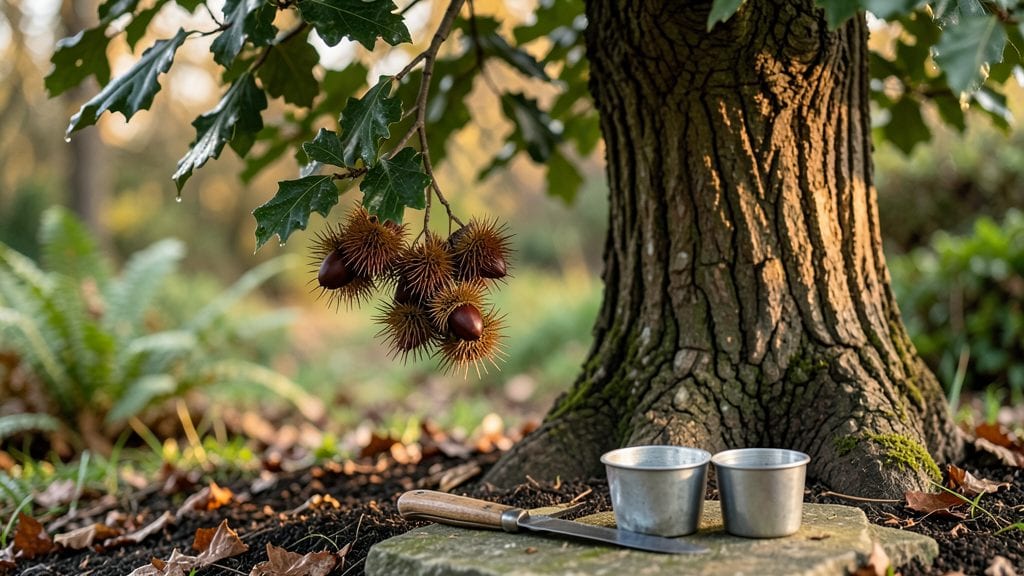
Growing beech nut seed into a towering privacy screen feels like planting a future. The process starts with collecting fresh seeds from mature beech trees in late fall—those triangular nuts with their fuzzy caps are your ticket to a shade-tolerant, low-maintenance hedge that outgrows most alternatives. 🌿
You’ll need patience, since beech seeds require 90-120 days of cold stratification to break dormancy—nature’s way of ensuring they germinate at the right time. Plant them 1/4 inch deep in well-draining soil with 50% sand mixed in, and keep them moist but not soggy.
Most seeds sprout within 4-8 weeks, though some stubborn ones may take longer.
By year three, your seedlings will stand 6-8 feet tall, casting dappled shade and blocking nosy neighbors. The dense foliage stays evergreen in warmer climates, while colder zones keep their leaves until late fall. Just watch for squirrels—they adore fresh beech nuts too.
Perfect for large yards, property borders, or even as a single statement tree. The trade-off? Slow early growth, but the payoff is a 50-foot-tall living wall that lasts centuries. Ready to start your long-term project?
📚 In This Guide
- What you need
- Instructions
- Tips and common mistakes
- Wrapping up and next steps
What you need
- ● Beech nut seeds: 50–100 seeds (fresh or stored, but ideally harvested in fall for best germination). Pro tip: 💡 Soak seeds in warm water for 24 hours before planting to speed up germination!
- ● Well-draining soil: A mix of 60% topsoil, 30% compost, and 10% perlite or sand (1–2 cubic yards per 100 sq. ft. planting area).
- ● Planting containers or nursery pots: 4–6 inch pots (1–2 per seedling) or a seed-starting tray with individual cells.
- ● Organic mulch: 2–3 inches of shredded bark or wood chips (to retain moisture and suppress weeds).
- ● Garden trowel or transplanting spade: For digging small holes (6 inches deep) or moving seedlings.
- ● Watering can or hose with a gentle spray nozzle: To keep soil consistently moist (not soggy!).
- ○ Pruning shears: For trimming seedlings to encourage bushier growth (optional but helpful).
- ● Garden gloves: To protect your hands from soil and sharp seed husks.
- ● Measuring tape or string: To mark planting rows 8–10 feet apart (for optimal spacing).
- ● Seedling heat mat ($15–$25) for indoor starts in cooler climates.
- ● Grow lights (if starting seeds indoors before last frost).
- ● Slow-release fertilizer (e.g., 10-10-10 blend) for nutrient boost.
- ● Row covers or shade cloth (30–50%) to protect young seedlings from harsh sun.
Step-by-Step instructions for growing beech tree saplings from seed
Here's my battle-tested method for transforming beech nuts into sturdy saplings ready for planting.
🌱 Step 1: Stratify Seeds for Successful Germination
Beech nuts need cold stratification to break dormancy. Place the nuts in a sealed plastic bag with damp peat moss—just enough moisture to feel slightly damp when squeezed. Store in your refrigerator's crisper drawer for 90-120 days. Check monthly to ensure the moss stays moist; add a few drops of water if needed.
This cold period mimics winter conditions, signaling the seed it's time to grow. After 120 days, remove the bag and let the nuts sit at room temperature for 2-3 weeks to complete the stratification process. You'll see tiny cracks forming in the seed coat—that's your cue germination is ready to begin.
🪴 Step 2: Prepare Containers and Planting Medium
Fill 4-inch diameter pots with a sterile seed-starting mix (never garden soil—it's too dense). I use a blend of 50% peat moss and 50% perlite for excellent drainage. Moisten the mix until it holds together when gently squeezed but doesn't drip. Press the soil lightly to remove air pockets, creating a firm yet loose surface.
Plant 1-2 seeds per pot at a depth of about ½ inch, which is roughly twice the seed's diameter. Cover lightly with additional mix, then mist the surface with water until evenly damp. Label each pot with the planting date—beech trees take patience, and you'll want to track progress.
☀️ Step 3: Provide Ideal Growing Conditions
Place the pots in a location with bright, indirect light—think east-facing windows or under grow lights set to 12-14 hours daily. Beech seedlings hate direct sun at this stage; too much intensity causes leaves to scorch. Keep the soil consistently moist but never soggy—water when the top inch feels dry to the touch.
Maintain temperatures between 65-75°F for optimal growth. If your home runs cooler, a seedling heat mat keeps roots warm and encourages strong root development. You'll see first true leaves emerge in 4-6 weeks, signaling the seedling is established and ready for the next phase.
⏰ Step 4: Transplant and Harden Off Saplings
After 6-8 weeks, when seedlings reach 6-8 inches tall with 4-5 leaves, it's time to transplant. Choose a sheltered outdoor spot with partial shade and well-draining soil. Dig a hole twice as wide as the root ball but only as deep as the pot. Gently remove the seedling, keeping the root ball intact, and place it in the hole.
Harden off the saplings by moving them outdoors for 1-2 hours daily, gradually increasing exposure over 10-14 days. Watch for wilting or yellowing leaves—these are signs the transition is too fast. Once acclimated, plant in their permanent location, spacing 10-15 feet apart for a future privacy screen. Mulch with 2-3 inches of organic matter to retain moisture and suppress weeds.
Tips & tricks for perfect beech nut seed germination
Beech nuts are stubborn little seeds that demand patience and precision—here's how to give them the exact conditions they need to succeed.
Stratification Precision: The 90-120 day cold stratification in Step 1 is non-negotiable for beech nuts. I place my sealed bags on a wire rack inside the crisper drawer to ensure proper air circulation—condensation buildup can lead to mold. Use a small zip-top bag with tiny ventilation holes if you're concerned about moisture buildup. The key is maintaining that perfect dampness without creating a soggy environment. After the 120 days, don't rush the 2-3 week room temperature phase—this final warm-up period is what triggers germination.
Seed Starting Mix Science: In Step 2, the 50/50 peat moss to perlite mix is crucial for preventing root rot while providing the right moisture retention. I always sterilize my mix by microwaving it for 2 minutes before use—this eliminates any potential pathogens that could harm your delicate seedlings. When pressing the soil lightly to remove air pockets, think "firm but fluffy"—it should hold its shape when you lift a handful but still crumble easily with gentle pressure.
Light Management Strategy: The bright, indirect light requirement in Step 3 is where most beginners struggle. I use a combination of east-facing window light and a 12-14 hour grow light cycle for consistency. If you notice leaves turning yellow or developing brown spots, it's a clear sign of too much direct sun—move the pots immediately to a more shaded location. For maximum growth, position your lights about 6 inches above the seedlings and adjust as they grow taller.
Transplanting Technique: When transplanting in Step 4, the "twice as wide" hole is essential for accommodating those developing roots. I always water the seedlings thoroughly 24 hours before transplanting to reduce shock. For the hardening off process, I gradually increase exposure time by 30 minutes each day rather than the full 1-2 hours jump—this gives the seedlings time to adjust their internal defenses against environmental stressors.
Pro Tips for Beech Nut Seed
- Beech nuts are stubborn little seeds that demand patience and precision—here's how to give them the exact conditions they need to succeed.
- Stratification Precision: The 90-120 day cold stratification in Step 1 is non-negotiable for beech nuts.
- Seed Starting Mix Science: In Step 2, the 50/50 peat moss to perlite mix is crucial for preventing root rot while providing the right moisture retention.
Frequently asked questions
When is the best time to plant beech nut seeds for a privacy screen?
Plant beech nut seeds in early spring (March–April) or late fall (October–November) for optimal germination. Spring planting gives seedlings a full growing season, while fall planting leverages winter chilling to break dormancy. Avoid planting in extreme heat or frost—seeds need consistent moisture and moderate temperatures (60–70°F) to sprout.
How long do beech nut seeds take to germinate?
Beech nut seeds typically germinate in 4–12 weeks, depending on soil conditions and temperature. Keep seeds moist (not soggy) and in partial shade during this time. Pro tip: Soak seeds in warm water for 24 hours before planting to speed up germination. Patience is key—some seeds may take longer, especially in cooler climates.
Can I grow beech nut seeds in containers before transplanting?
Yes! Start seeds in biodegradable pots or small containers filled with a mix of peat moss and perlite. Keep them in a sunny spot (or under grow lights) and transplant seedlings outdoors once they’re 3–4 inches tall and the soil is warm. This method reduces transplant shock and gives seedlings a head start.
What should I do if my beech nut seeds aren’t sprouting?
If seeds aren’t germinating after 3 months, check these troubleshooting steps:
- Moisture: Ensure soil stays consistently damp (not waterlogged).
- Temperature: Seeds need warmth (60–70°F). Use a heat mat if needed.
- Depth: Plant seeds ½ inch deep—too deep can inhibit sprouting.
- Viability: Test a few seeds by scratching the shell—if they’re hard and unbroken, they may still be viable.
Are there alternatives to beech nut seeds for fast-growing privacy screens?
If beech nuts are hard to source, consider these fast-growing alternatives:
- Leyland Cypress: Grows 3–4 feet per year (but needs pruning).
- Green Giant Arborvitae: Hardy and dense, reaching 10+ feet in 5 years.
- Hornbeam Trees: Slower but low-maintenance with striking foliage.
- Bamboo (clumping varieties): Fast-growing but invasive—plant in containers if concerned.
Wrapping up and next steps
Growing a beech nut seed privacy screen is a rewarding project that delivers lush, year-round greenery in just three years! With the right soil, spacing, and care, you’ll enjoy fast-growing, low-maintenance trees that thrive in various climates.
Whether you’re a seasoned gardener or just starting out, this guide gives you everything you need to succeed.
Ready to transform your yard? Start by gathering your supplies—then plant your first seeds this season! 🌱 For even better results, consider sharing your progress with fellow gardening enthusiasts or exploring complementary plants for a fuller landscape.