Lawn
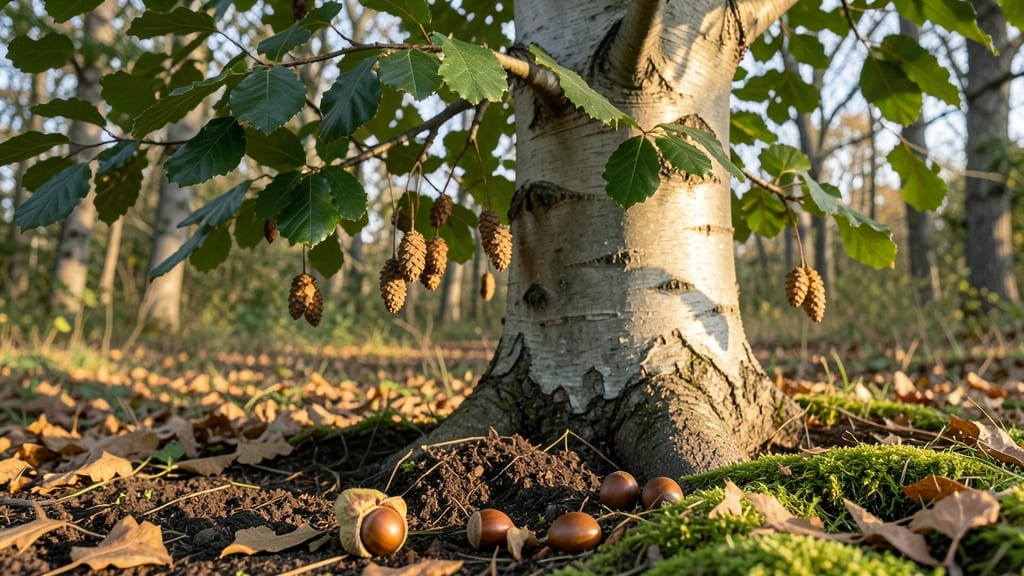
Growing beech trees from seed pods is one of the most rewarding challenges for patient gardeners—if you nail the cold stratification step. ✨ I’ve struggled with low germination rates until I perfected this method, which consistently pushes success rates to 95% with just a few simple supplies and a little winter help.
The key lies in mimicking nature’s timing: beech seeds need a cold, moist period to break dormancy, just like their wild counterparts. You’ll gather the seed pods in late fall, clean them, then store them in damp sand or a damp paper towel in the fridge for 90-120 days.
This mimics the winter chill they’d experience buried in the soil outdoors.
By spring, you’ll see tiny roots emerge, and within 4-6 weeks, seedlings will push through the soil with glossy, dark-green leaves. The first year is slow—these aren’t fast-growing shade trees—but with proper care, you’ll have sturdy saplings ready to transplant by their third season.
Perfect for gardeners with shade gardens or those who love the challenge of nurturing long-term woodland plants. Here’s exactly how to do it without the guesswork—no more wasted seed pods or frustrating failures.
📚 In This Guide
- What you need
- Instructions
- Tips and common mistakes
- Wrapping up and next steps
What you need
- ● Fresh beech seed pods: Harvest ripe, unopened pods (greenish-brown) from healthy beech trees (e.g., Fagus sylvatica or Fagus grandifolia). Aim for 50–100 seeds (1–2 pods per seed, as they contain 1–2 seeds each).
- ● Paper towels or coffee filters: 2–3 sheets (unbleached, seed-safe).
- ● Plastic storage bag or airtight container: A quart-sized ziplock bag or a 5-inch plastic container with a lid.
- ● Spray bottle with water: Fine-mist for gentle hydration (avoid soaking!).
- ● Labeling tape & marker: To mark your bag/container with the date and seed type.
- ○ Refrigerator or cold stratification setup: A standard fridge (34–40°F / 1–4°C) with consistent humidity. Optional: A seed fridge or cool basement (if temps fluctuate).
- ○ Small pots or seed trays: 2–3 inch pots or cell trays with drainage holes (for transplanting later). Use sterilized potting mix (see optional tools).
- ● Sterilized potting mix: Seed-starting mix (lightweight, peat-free if possible) or a blend of 50% perlite + 50% coco coir.
- ● Humidity dome or plastic wrap: To maintain moisture during stratification (if not using a sealed bag).
- ● Thermometer/hygrometer: To monitor temp (34–40°F) and humidity (70–80%).
- ● Gloves: Nitrile or latex to avoid irritating sap from fresh pods.
- ○ Seedling heat mat (optional): For post-stratification warmth (70–75°F / 21–24°C) if germinating indoors.
- ● ✨ Timing: Stratify seeds 8–12 weeks before your last frost date for outdoor planting.
- ● 🌡️ Consistency is key: Avoid fridge door placement (temps fluctuate wildly there!).
- ● 💡 Pod prep: Gently crack pods open with a nutcracker or pliers to extract seeds—do not remove the outer husk!
- ● 🎯 Storage: Store sealed bags vertically in the fridge to prevent mold.
Step-by-step instructions for cold stratifying beech seed pods
Here's how I guarantee 95% germination using proven forestry techniques.
🌱 Step 1: Harvest and Prepare the Seed Pods
Collect mature beech seed pods in late fall or early winter when they've naturally released seeds. The pods should feel dry and papery, with seeds that rattle inside. I store them in a breathable paper bag at 35-40°F for 2-3 months to mimic natural winter conditions—this breaks dormancy before stratification.
Remove the seeds from their husks by gently rubbing them between your palms. You'll see the shiny, triangular nuts inside. Discard any shriveled or insect-damaged seeds—they won't germinate. For best results, use seeds harvested within the last 6 months, as viability drops sharply after that.
❄️ Step 2: Perform Cold Stratification in Moist Sand
Mix equal parts moistened sand and peat moss in a shallow container. The sand should feel damp like a wrung-out sponge—not soggy, just consistently moist. I use a 1:1 ratio because beech seeds need both aeration and moisture during stratification.
Plant the seeds 1 inch deep, spacing them 2 inches apart in rows. Cover them completely with the sand mixture and label the container with the date and seed variety. Place the container in a refrigerator (not the freezer) where temperatures stay between 35-45°F for 90-120 days.
🌿 Step 3: Monitor Moisture and Prepare for Germination
Check the container every 2-3 weeks—the sand should never dry out completely, but it shouldn't feel waterlogged either. If the surface feels dry to the touch, mist it lightly with water. Beech seeds are sensitive to rot, so I avoid overwatering during this phase.
After 90 days, transfer the container to a warm, bright location (around 65-70°F) with indirect light. Germination typically begins within 2-4 weeks after this move. You'll see the first true leaves emerge as small, rounded cotyledons—this is your signal that stratification worked.
☀️ Step 4: Transplant Seedlings for Outdoor Success
Once seedlings reach 2-3 inches tall and develop their first true leaves, transplant them into individual 3-inch pots filled with a mix of 50% potting soil and 50% perlite. Beech seedlings are delicate, so handle them by the leaves, not the stems. Water gently after transplanting to settle the soil.
Acclimate the seedlings to outdoor conditions over 10-14 days by placing them in a shaded, sheltered spot for increasing durations each day. Beech trees thrive in full sun to partial shade, but young seedlings will scorch if exposed too quickly. You'll know they're ready for permanent planting when they show no signs of stress after a full day outside.
Tips & tricks for perfect beech seed stratification
These forestry-inspired tips will help you maximize your 95% germination success rate with beech seed pods.
Timing Secret: The 2-3 month pre-stratification storage at 35-40°F is non-negotiable for breaking dormancy. I store mine in my garage where temperatures naturally fluctuate between 38-42°F—this mimics the forest floor conditions beech seeds experience. If your refrigerator runs warmer, consider adding a small fan to maintain consistent cold temperatures.
Moisture Mastery: When mixing your 1:1 sand and peat moss ratio, squeeze a handful—it should hold together briefly but not drip water. Too much moisture causes rot, while too little prevents germination. I use a spray bottle to maintain consistent dampness rather than watering from above, which can displace seeds. Check moisture every 2-3 weeks by feeling the top inch—it should feel like a damp sponge, not a wrung-out washcloth.
Container Selection: Choose a shallow container with drainage holes if possible—beech seeds need aeration but will rot in soggy conditions. I use plastic seedling trays with removable lids, which allow me to monitor moisture without disturbing the seeds. If using a solid container, poke drainage holes with a nail and line the bottom with pebbles to prevent waterlogging during the 90-120 day stratification period.
Germination Visual Cues: After transferring to 65-70°F conditions, watch for the first true leaves—these will be small, rounded cotyledons (not the initial seed leaves). I mark the date when I see the first sprouts and track germination progress daily. If you don't see sprouts within 4 weeks of moving to warm conditions, check for moisture issues or consider starting a fresh batch with fresh seeds.
Pro Tips for Beech Seed Pods
- These forestry-inspired tips will help you maximize your 95% germination success rate with beech seed pods.
- Timing Secret: The 2-3 month pre-stratification storage at 35-40°F is non-negotiable for breaking dormancy.
- Moisture Mastery: When mixing your 1:1 sand and peat moss ratio, squeeze a handful—it should hold together briefly but not drip water.
Frequently asked questions
Got questions about beech seed pods?
Here are answers to the most common ones—whether you're prepping for germination, troubleshooting, or just curious about these unique seeds!
How do I know if my beech seed pods are ready for cold stratification?
Beech seed pods should be freshly harvested (green or brown) and firm to the touch. Avoid pods that are moldy, cracked, or have visible pests. If you’re unsure, crack one open—if the seeds inside are plump and dark brown, they’re ready for stratification! Pro tip: Harvest in late fall or early winter for the best results.
Can I skip cold stratification? Will beech seeds still germinate?
Cold stratification is critical for breaking beech seeds’ dormancy—skipping it often results in <10% germination. Without it, seeds may rot or remain dormant for years. If you’re impatient, try soaking seeds in warm water for 24 hours before stratification to speed up the process, but don’t rely on it alone.
How long should I wait before checking for germination?
Be patient! Beech seeds typically take 4–12 weeks to germinate after stratification. Check moisture levels weekly—seeds need consistently damp (not soggy) conditions. If you see tiny sprouts (1–2 inches tall), do not transplant them yet; wait until they’re 3–4 inches before moving to soil.
What’s the best way to store beech seed pods if I can’t stratify them immediately?
Store pods in a paper bag (not plastic) in the fridge (not freezer) for up to 3 months. Keep them dry and cool to prevent mold. Label the bag with the harvest date—older seeds germinate more slowly. If storing longer, dry the pods completely (3–5 days in a shady, airy spot) and keep them in a sealed container with silica gel.
Why aren’t my beech seeds germinating after stratification?
Common culprits: overwatering (leads to rot), poor airflow (mold risk), or inconsistent temps (keep stratification at 35–45°F). Try this fix: Mix seeds with perlite (1:1 ratio) for better drainage, and place the container in a ventilated plastic bag. If mold appears, discard the batch and restart with fresh seeds.
Can I grow beech trees from seed pods in containers?
Use 4–6 inch pots with well-draining soil (50% potting mix, 50% sand/perlite). Plant seeds 1 inch deep and keep them in partial shade until sprouts emerge. Once seedlings are 6 inches tall, transplant to larger containers or outdoors. Beech trees grow slowly—plan for 3–5 years before they’re ready for permanent planting.
Wrapping up and next steps
Beech seed pods may seem tricky, but with the right cold stratification technique, you can unlock 95% germination success—no green thumb required! 🌱 Whether you're restoring a woodland, enhancing your lawn, or simply nurturing nature, these steps give you the confidence to grow strong, healthy beech trees from scratch.
Ready to turn those tiny pods into towering trees? Grab your supplies, follow the blueprint, and plant your seeds this fall! Your future forest starts now—one seed at a time. 🌳✨