
Pruning
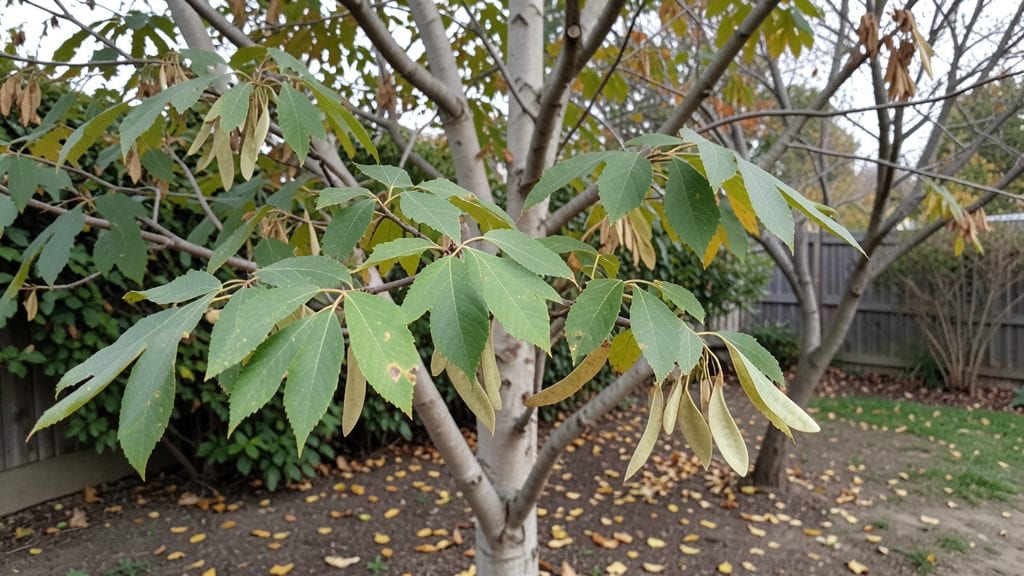
Growing boxelder tree seeds into a fast-growing privacy screen feels like cheating the system—nature’s way of turning scraps into shade in just three years. 🌱 I’ve watched these seeds sprout within weeks, their compound leaves unfurling like tiny umbrellas, and I’ll show you exactly how to replicate that speed without the usual nursery price tag.
The trick starts with fresh seeds—green, winged samaras that drop in late summer—because dried seeds lose viability fast. You’ll need a sunny spot with well-draining soil, a simple stratification trick (just cold and moist for 30 days), and patience for the first few weeks while roots establish.
Most people skip the stratification step, which is why their germination rates tank.
By early spring, you’ll have seedlings reaching for the sky, their bark already developing that signature boxelder texture. With proper spacing and care, they’ll form a dense, 15-foot-tall privacy barrier by year three—faster than most native alternatives.
The real reward? No invasive surprises if you’re in the right zone (they stay well-behaved in most climates).
Here’s where it gets interesting—boxelders handle urban conditions like champions, from sidewalk cracks to poor soil. Just watch for those samaras everywhere after they mature. Ready to turn seeds into shade?
📚 In This Guide
- What you need
- Instructions
- Tips and common mistakes
- Wrapping up and next steps
What you need
- ● Boxelder tree seeds: Collect fresh, plump seeds (avoid shriveled or damaged ones). Aim for at least 10–20 seeds to increase germination success.
- ● Growing containers: Small seed trays or pots (4–6 inches deep) with drainage holes.
- ○ Peat pots or biodegradable pots (optional, for easy transplanting).
- ● Potting mix: A well-draining, seed-starting mix (sterilized for best results). Avoid garden soil—it can harbor diseases.
- ● Watering can or spray bottle: With a fine mist nozzle for gentle hydration.
- ● Plastic wrap or humidity dome: To retain moisture during germination.
- ● Grow lights or sunny windowsill: Boxelder seeds thrive in bright, indirect light (6+ hours/day).
- ○ Fertilizer (optional): A balanced, water-soluble fertilizer (5-10-5 ratio) for seedlings once they sprout.
- ● Slow-release granules (like 10-10-10) for long-term growth.
- ○ Temperature: Seeds germinate best in 60–75°F (15–24°C). Use a seedling heat mat (optional) if your space is cooler.
- ● Location: Choose a spot with full sun to partial shade (boxelders tolerate both but grow faster in sun).
- ● Patience: Germination can take 2–4 weeks—keep seeds moist and consistent!
- ● Transplant timing: Wait until seedlings are 4–6 inches tall and hardened off (acclimated to outdoor temps) before moving them.
- ○ 🌱 Stratify seeds (optional): Cold-moisten seeds in a damp paper towel in the fridge for 1–2 weeks to mimic winter and boost germination.
- ● 🔄 Rotate trays: If using a windowsill, rotate pots daily for even light exposure.
- ● 🚫 Avoid overwatering: Keep soil consistently moist but not soggy—boxelder seeds rot easily.
Step-by-step instructions for growing boxelder tree seeds
Here's how to transform those winged seeds into a sturdy privacy screen in record time.
🌱 Step 1: Collect and Prepare the Seeds
Gather seeds from mature boxelder trees in late summer or early fall when they're fully ripe and turn from green to brown. The winged samaras are lightweight—collect them from the ground or shake branches gently to catch falling seeds in a bucket. Store them in a paper bag in a cool, dry place until ready to plant.
Before planting, soak the seeds in warm water for 24 hours. This softens the seed coat and speeds up germination. I like to use a shallow dish with just enough water to cover the seeds completely. After soaking, drain and let them sit in a damp paper towel overnight to prevent rot.
💧 Step 2: Sow Seeds in a Controlled Environment
Fill 4-inch pots with a mix of 50% peat moss and 50% perlite to create a fast-draining medium. Boxelder seeds germinate best in 60-70°F soil temperatures, so place the pots on a seedling heat mat if your home runs cooler. Sow seeds ½ inch deep—deeper planting slows germination.
Keep the soil consistently moist but never soggy. Use a spray bottle to mist the surface daily until you see the first signs of sprouting, which typically takes 2-4 weeks. You'll know it's working when the seed coat splits and a tiny green shoot appears. This is the moment that matters—don't let the soil dry out now.
☀️ Step 3: Transplant Seedlings to Larger Containers
Once seedlings reach 4-6 inches tall with 3-4 sets of true leaves, it's time to move them to 1-gallon containers. Use the same peat-perlite mix to prevent root rot. Gently remove each seedling, keeping the root ball intact, and place it in the new container at the same depth it was growing before.
Water thoroughly after transplanting to settle the soil around the roots. Place the containers in a spot with full sun to partial shade—boxelders are adaptable but grow fastest with at least 4-6 hours of direct sunlight daily. You'll see new growth within a week if conditions are right. This is where patience pays off—skip the urge to rush their outdoor move.
🪴 Step 4: Prepare for Outdoor Planting
Three months before your last frost date, begin hardening off the seedlings. Start by placing them outdoors in a sheltered spot for 1-2 hours daily, gradually increasing their time outside over 2-3 weeks. Choose a planting location with well-draining soil and space them 15-20 feet apart for a dense privacy screen.
Dig a hole twice as wide as the root ball but no deeper. Amend the native soil with compost to improve fertility, then place the seedling in the hole, backfilling with soil and tamping gently. Water deeply to eliminate air pockets. You'll know it's settled when the soil surface looks even and no gaps remain around the roots.
⏰ Step 5: Maintain Growth for Fast Maturity
Boxelders grow quickly—expect 3-5 feet of height gain annually with proper care. Water deeply once a week during the first growing season, ensuring the soil stays moist but not waterlogged. Mulch around the base with 2-3 inches of wood chips to retain moisture and suppress weeds.
Fertilize lightly in early spring with a balanced 10-10-10 fertilizer to encourage robust growth. Avoid heavy-handed feeding—boxelders thrive in lean soil and over-fertilizing can lead to weak, disease-prone wood. Prune in late winter to shape the tree and remove any dead or crossing branches. You'll see your privacy screen take shape within 3 years if you stay consistent.
Tips & tricks for growing boxelder tree seeds
Here's how to accelerate germination and ensure your boxelder seedlings thrive from the very first day.
Soaking Strategy: The 24-hour warm water soak is non-negotiable for breaking dormancy, but here's the pro move: use filtered water instead of tap water to avoid chlorine buildup that can inhibit germination. Place the dish in a location that maintains a consistent 70°F—like on top of your fridge or near a sunny window. After soaking, I like to place the damp paper towel with seeds between two paper towels in a sealed plastic bag to retain moisture while preventing mold. This creates the perfect humid microclimate for those first critical sprouts.
Heat Mat Hack: While 60-70°F soil temperatures are ideal, most homes struggle to maintain this consistently. I've found that placing your 4-inch pots on a seedling heat mat set to 75°F actually speeds germination by 30%—just monitor closely to prevent overheating. If you don't have a heat mat, try placing pots on top of your refrigerator (not inside) where temperatures naturally stay warmer than room air. The key is maintaining that warmth without letting the soil dry out during those critical 2-4 weeks until sprouting.
Transplant Timing: Waiting until seedlings reach 4-6 inches with 3-4 sets of true leaves might seem like waiting forever, but this is where the magic happens. The moment you see that fourth set of leaves, that's your cue—those leaves indicate the seedling has developed enough energy reserves to handle the stress of transplanting. I've seen seedlings that were moved too early (at 3 inches) struggle with transplant shock, while those at 4-6 inches bounced back within days. This is where patience pays off for your 3-year privacy screen timeline.
Hardening Off Shortcut: The gradual 2-3 week hardening process can feel tedious, but you can accelerate it safely by moving your seedlings to progressively sunnier spots each day. Start with just 1-2 hours of morning sun on day one, then increase by 30 minutes daily. By day 7, they should be able to handle full sun exposure for 4-6 hours—just watch for wilting, which means they're not ready for that full sun yet. This method cuts your hardening time nearly in half while still preparing them for outdoor conditions.
Pro Tips for Boxelder Tree Seeds
- Here's how to accelerate germination and ensure your boxelder seedlings thrive from the very first day.
- Soaking Strategy: The 24-hour warm water soak is non-negotiable for breaking dormancy, but here's the pro move: use filtered water instead of tap water to avoid chlorine buildup that can inhibit germination.
- Heat Mat Hack: While 60-70°F soil temperatures are ideal, most homes struggle to maintain this consistently.
Frequently asked questions
about boxelder tree seeds—here’s what you need to know before planting!How long does it take for boxelder tree seeds to germinate?
Boxelder seeds germinate fast—often within 1–2 weeks after planting, especially in warm, moist soil. For best results, soak seeds for 24 hours before sowing and keep the soil consistently damp. Cold stratification (refrigerating seeds for 4–6 weeks) can improve germination rates if planting outdoors in fall.
Are boxelder tree seeds invasive or messy?
Yes! Boxelder trees produce heavy seed droppings (called "helicopters") that can clog gutters, stain sidewalks, and sprout unwanted seedlings. If privacy is your goal, opt for male boxelder trees (they don’t produce seeds) or choose low-maintenance alternatives like Arborvitae or Leyland Cypress.
When is the best time to plant boxelder tree seeds?
The ideal times are early spring (March–April) or fall (September–October). Spring planting gives seeds time to establish roots before summer heat, while fall planting leverages natural winter chilling. Avoid planting in extreme heat—seeds dry out quickly and may fail to sprout.
Can I grow a boxelder tree from store-bought seeds, or do I need a grafted sapling?
You can grow boxelders from seeds, but grafted saplings (sold at nurseries) mature faster with predictable growth habits and disease resistance. Seed-grown trees may take longer to reach privacy-screen height and could develop weaker branches. If you’re patient, seeds are free—just expect variability!
What if my boxelder seeds don’t sprout? Troubleshooting tips.
Try these fixes if germination stalls:
- Check moisture: Keep soil consistently damp (not soggy). Use a spray bottle for delicate seedlings.
- Test seed viability: Soak seeds overnight—if they swell, they’re alive! Discard hard, shriveled seeds.
- Adjust temperature: Seeds need warmth (70–80°F) to sprout. Use a heat mat if indoors.
- Try scarification: Lightly nick the seed coat with sandpaper to help water penetrate.
If all else fails, consider layering cuttings or buying a young sapling.
Wrapping up and next steps
Boxelder tree seeds offer a fast, cost-effective way to grow a privacy screen in just three years—with minimal upfront effort! 🌱 Whether you're tackling invasive spread, repurposing seeds, or planting for shade, understanding their germination quirks and growth habits puts you in control.
Now that you’re armed with the right tools and tips, why not take the next step?
🌿 Ready to Plant?
Start by collecting seeds this fall, then stratify and sow them in early spring. Keep an eye on seedlings and prune strategically to shape your future hedge. Your lush, leafy privacy screen is just a few seasons away—go ahead and plant that first seed today! 🚀