
Vegetables
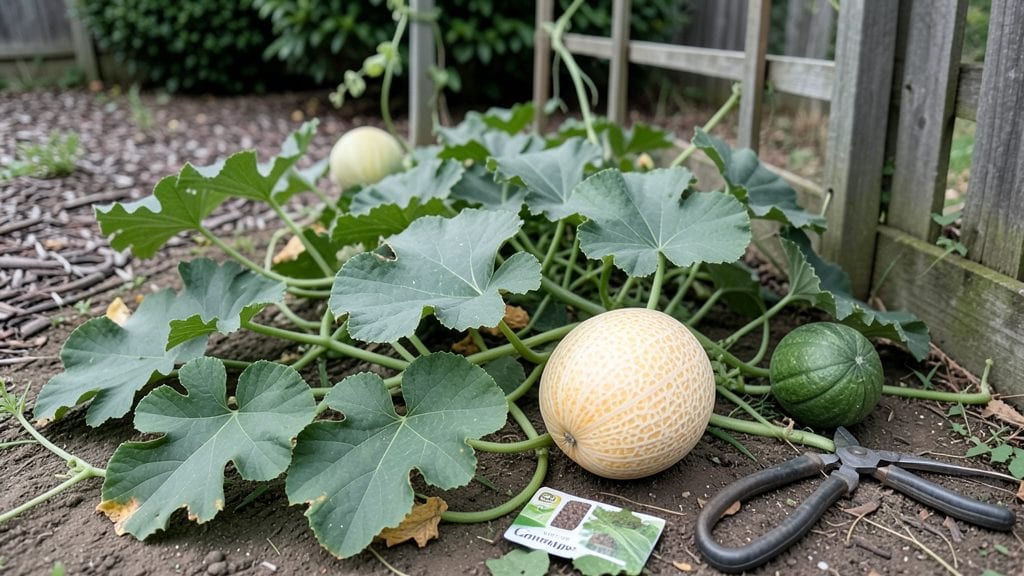
Yes, cantaloupe seeds can be eaten safely and are packed with nutrients like healthy fats, protein, and fiber, though they should be thoroughly washed and dried before consumption to avoid contamination. They offer a crunchy texture and earthy flavor, similar to pumpkin seeds, but are best eaten in moderation due to their high calorie content.
These tiny powerhouses pack a surprising nutritional punch—just one ounce contains about 5 grams of protein and 1.5 grams of fiber, plus minerals like magnesium and zinc that support metabolism and immune function. 🔥 The seeds' earthy taste makes them a great crunchy addition to salads or trail mixes, though their high fat content means they should be enjoyed sparingly.
Unlike watermelon seeds, cantaloupe seeds don't contain cucurbitacin (a bitter compound), so they're safe to eat raw when properly prepared.
For best results, scoop seeds from ripe cantaloupe, rinse them under cold water, and spread them on a paper towel to dry completely before storage.
I like to lightly toast them in the oven for 5-10 minutes at 300°F to enhance their nutty flavor—perfect for sprinkling over yogurt or blending into homemade granola. Just remember, while nutritious, their calorie density means they're best used as a garnish rather than a staple.
💡 In This Article
- Nutritional Breakdown of Cantaloupe Seeds
- How to Safely Harvest and Prepare Cantaloupe Seeds
Nutritional breakdown of cantaloupe seeds
Cantaloupe seeds are a nutrient-dense snack with a unique macronutrient profile.
A 1-ounce (28-gram) serving delivers approximately 155 calories, 5 grams of protein, and 1.5 grams of fiber, making them comparable to pumpkin seeds in terms of protein content but with slightly higher fat content (about 12 grams, primarily unsaturated fats).
This fat profile includes beneficial omega-6 fatty acids, which support heart health and skin function.
The micronutrient content is equally impressive. These seeds provide 15% of the daily value for magnesium (essential for muscle and nerve function) and 10% for zinc (critical for immune support). They also contain vitamin K (about 3% DV) and small amounts of iron and potassium.
Unlike watermelon seeds, which are nearly calorie-free and contain negligible nutrients, cantaloupe seeds offer a meaningful nutritional boost—though their high fat content means they should be consumed in moderation.
The antioxidant properties of cantaloupe seeds come from their rich phytochemical profile. They contain polyphenols and flavonoids, which help combat oxidative stress in the body. Studies suggest these compounds may reduce inflammation and support cellular health, though more research is needed on their specific effects in humans.
The seeds' earthy, slightly bitter flavor is due to these bioactive compounds, which also contribute to their potential health benefits.
When comparing cantaloupe seeds to other edible fruit seeds, they stand out for their higher protein and fat content. For example, honeydew seeds are typically consumed in much smaller quantities due to their bitter taste and lower nutritional value, while watermelon seeds are mostly water and provide minimal nutrients.
Cantaloupe seeds bridge the gap between these two extremes, offering a balance of protein, healthy fats, and fiber—similar to sunflower seeds but with a more delicate, melon-infused flavor.
Here's what makes their nutritional profile unique:
- Protein-to-fat ratio: Nearly 1:2.5, ideal for muscle repair and energy
- Fiber content: Supports digestion and helps regulate blood sugar
- Magnesium content: Higher than most fruits/seeds, aiding relaxation and nerve function
- Antioxidant density: Comparable to nuts like almonds but with a lighter caloric impact
What most people don't realize is that these seeds also contain tryptophan, an amino acid that converts to serotonin—a mood-enhancing compound.
This makes them a surprisingly satisfying snack for stress relief, though their high calorie density means they're best enjoyed as a garnish or occasional treat rather than a daily staple. 💫