
Tools
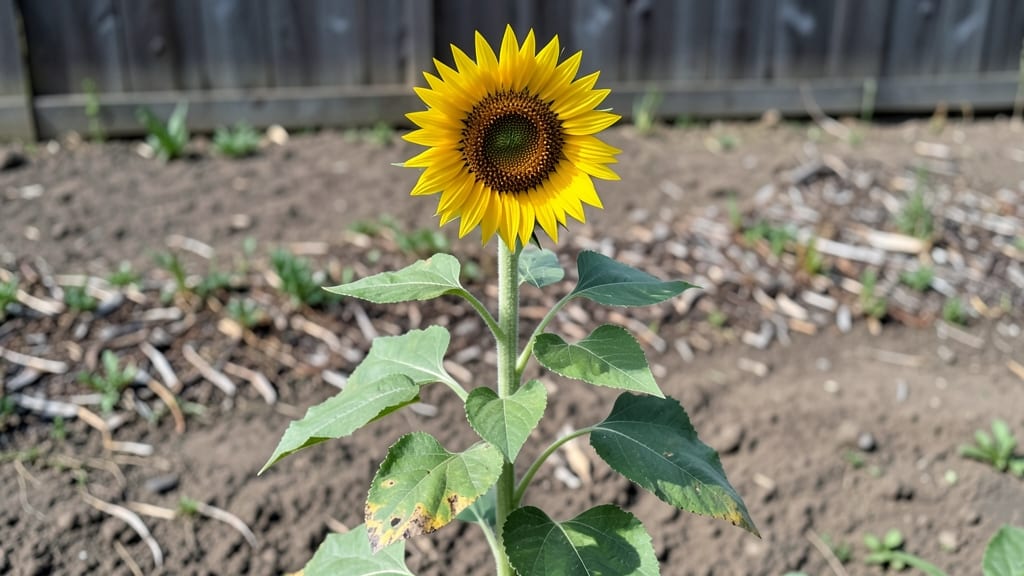
Growing sunflowers from seed in your garden delivers towering beauty and snack-sized rewards with almost no fuss. 🌻 I’ve watched these cheerful giants transform bare soil into a sunlit canopy in just 8-10 weeks, and the best part? They thrive in containers, small plots, or even cracked pavement.
The secret lies in choosing the right varieties—dwarf types for pots, mammoths for cut flowers, and everything in between—and timing your plantings to stretch the harvest from spring to fall.
You’ll need 3 simple supplies: sunflower seeds (non-GMO for best germination), well-draining soil, and a sunny spot that gets at least 6-8 hours of light daily. Most people overlook soil prep—amend with compost before planting to give roots a strong start.
Spacing matters too: giant varieties need 2-3 feet apart, while dwarfs can huddle in 12-inch circles. Water deeply once a week (unless it rains), and watch as those first fuzzy sprouts push through the dirt in 7-14 days.
By midseason, you’ll be harvesting edible seeds straight from the stalk and enjoying blooms that attract pollinators like magnets. Even in tight spaces, sunflowers deliver foolproof results—no fussy deadheading or staking required.
The only real challenge is resisting the urge to harvest seeds too early (wait until the backs of the petals turn yellow). With a few adjustments for your climate, you can grow them in every season—just move containers indoors for winter or plant cold-hardy varieties in early spring.
This method works for beginners and veterans alike, whether you’re growing for cut flowers, birdseed, or just pure joy. The key is patience: those first sprouts feel like magic, and the payoff—both in beauty and harvest—is worth every minute.
Ready to turn a corner of your garden into a sunflower spectacle?
📚 In This Guide
- What you need
- Instructions
- Tips and common mistakes
- Wrapping up and next steps
What you need
- ● Sunflower seeds: Choose heirloom or hybrid varieties (e.g., 'Mammoth', 'Autumn Beauty'). Buy 100+ seeds for a decent yield.
- ● Containers or garden bed: Containers: 5–10 gallon pots (2–3 plants per container) with drainage holes.
- ● Garden bed: At least 2 ft x 2 ft for 4–6 plants (sunflowers need space to thrive!).
- ● Potting soil: 1–2 bags of high-quality, well-draining garden soil or potting mix (avoid heavy clay).
- ● Fertilizer: Balanced 10-10-10 or compost (1 cup per plant).
- ● Watering can or hose: With a gentle spray nozzle to avoid disturbing seedlings.
- ● Sunlight: 6+ hours of direct sunlight daily (south-facing spot is ideal!).
- ● Trellis or stakes: For tall varieties (6+ ft), use bamboo stakes or wire cages to support stems.
- ● Mulch: Straw or wood chips to retain moisture and suppress weeds.
- ● Seedling heat mat: If starting indoors in cool climates ($10–$20).
- ● Pruning shears: For harvesting seeds or trimming deadheads.
- ● Bird netting: To protect seeds from hungry birds (especially if growing for harvest!).
How to cultivate a thriving sunflower patch in small spaces
Here’s the straightforward approach I’ve used to grow sunflowers in tight spots—no sprawling beds needed.
🌱 Step 1: Select the Right Variety and Prepare the Soil
For minimal space, choose dwarf or semi-dwarf varieties like ‘Little Becka’ or ‘Teddy Bear,’ which mature at 3-5 feet tall instead of towering giants. These fit neatly into 4-inch containers or small garden plots without crowding. Avoid giant varieties—they need 6+ feet of space and won’t thrive in tight quarters.
Work the existing garden soil (or potting mix if container-grown) to a depth of 12 inches, breaking up clumps and removing rocks. Sunflowers love loose, well-draining soil—amend heavy clay with 1-2 inches of compost to improve aeration. Test the soil pH; sunflowers prefer 6.0-7.5. If your soil is too acidic, mix in 1 cup of lime per 100 square feet a month before planting.
💧 Step 2: Plant Seeds at the Correct Depth and Spacing
Direct-sow seeds ½ inch deep and 6 inches apart in rows 18 inches apart for full-size varieties. For dwarf types, reduce spacing to 4 inches apart in 12-inch rows. Plant 4-5 seeds per spot—sunflowers have low germination rates, and you’ll thin later. If using containers, plant 1-2 seeds per 4-inch pot to avoid overcrowding.
Water gently after planting to settle the soil around seeds. Keep the soil consistently moist (not soggy) until germination, which typically takes 7-14 days depending on temperature. You’ll know it’s time when tiny green sprouts push through the soil. If seeds don’t sprout within 2 weeks, replant—sunflower seeds don’t store well.
☀️ Step 3: Provide Full Sun and Monitor Watering
Sunflowers need 6-8 hours of direct sunlight daily—no compromises here. In containers, place pots in the sunniest spot on your patio or balcony. If growing in the ground, avoid shady areas where stems will stretch weakly and flop. You’ll notice leggy, pale stems if light is insufficient; this is a sure sign to move the plants.
Water deeply 1-2 times per week, aiming for 1 inch of water per week. Let the top 2 inches of soil dry between waterings to prevent rot. Mulch around the base with 2-3 inches of straw or shredded leaves to retain moisture and suppress weeds. Avoid overhead watering once flowers form—wet blooms attract pests and may rot.
✂️ Step 4: Thin and Support for Strong Growth
When seedlings reach 4-6 inches tall, thin to the strongest 1-2 plants per spot, snipping weaker stems at the base with clean scissors. This prevents competition for nutrients and ensures bold, healthy stalks. If growing in containers, you can leave 1-2 plants per pot—just monitor for overcrowding as they mature.
Stake tall varieties (over 4 feet) with 5-foot bamboo stakes or tomato cages tied loosely to the stem. For dwarf types, support may not be needed, but check for wind or rain damage—a gentle lean can snap weak stems. Deadhead spent blooms by pinching off wilting flowers to redirect energy into new growth and extend the harvest season.
🌿 Step 5: Harvest and Extend the Season
Harvest seed heads when the back of the flower turns yellow and papery, usually 3-4 weeks after blooming. Cut the stem 2-3 inches below the head and hang upside down in a dry, dark place for 2-3 weeks to dry. Once fully dry, rub the head to release seeds. For year-round blooms, succession-plant seeds every 2-3 weeks in warm climates—this keeps flowers appearing continuously.
Save seeds from your best plants for next year! Store them in a cool, dry place for up to 2 years. If you’re in a short-season area, opt for fast-maturing varieties (like ‘Autumn Beauty,’ which blooms in 60-70 days) to squeeze in a harvest before frost. With this method, you’ll enjoy sunflowers from spring through fall—even in the smallest garden.
Tips & tricks for perfect sunflower cultivation in small spaces
Here's what I've learned after years of growing sunflowers in confined spaces—these tricks will help you maximize your harvest without sacrificing quality.
The Variety Selection Game-Changer: While dwarf varieties like 'Little Becka' are perfect for containers, don't overlook 'Moulin Rouge' for its striking red petals and compact 3-foot stature. For urban balconies, consider 'Teddy Bear'—it matures in just 55 days and produces abundant seeds without requiring much space. The key is matching variety to your specific growing conditions rather than defaulting to the first option you see.
Soil Preparation Secret: The 12-inch deep soil prep in Step 1 isn't just about depth—it's about creating an airy environment for roots. I've found that adding a handful of perlite to your compost mix when amending heavy clay creates pockets that improve drainage dramatically. This prevents that dreaded "soggy bottom" syndrome where roots suffocate. For containers, mix equal parts potting soil and coconut coir to replicate that loose texture.
Germination Timing Tip: That 7-14 day germination window can feel like an eternity, but here's the thing: temperature matters more than time. If your soil stays below 60°F, germination may take 2-3 weeks. To speed things up, place a heating mat under containers or cover your garden bed with clear plastic for a few days after planting. Just remember to remove the plastic once sprouts appear to prevent overheating.
Watering Strategy: The 1-2 times per week guideline works for established plants, but seedlings need consistent moisture. I've had best success using a spray bottle for the first week after planting to keep soil evenly damp without disturbing the seeds. Once they sprout, switch to gentle watering at the base—this prevents fungal issues that can develop from wet foliage. And here's a pro move: water in the morning so any moisture on leaves has time to evaporate before nightfall.
Pro Tips for Sunflower Seeds Garden
- Here's what I've learned after years of growing sunflowers in confined spaces—these tricks will help you maximize your harvest without sacrificing quality.
- The Variety Selection Game-Changer: While dwarf varieties like 'Little Becka' are perfect for containers, don't overlook 'Moulin Rouge' for its striking red petals and compact 3-foot stature.
- Soil Preparation Secret: The 12-inch deep soil prep in Step 1 isn't just about depth—it's about creating an airy environment for roots.
Frequently asked questions
Got questions about growing sunflower seeds in your garden? You’re not alone! Here are some of the most common queries—plus quick, practical answers to help you succeed.
How long does it take for sunflower seeds to sprout?
Sunflower seeds typically sprout within 7 to 14 days after planting, depending on soil temperature and moisture. Keep the soil consistently moist (but not soggy) and place seeds in a warm spot (60–75°F) to speed up germination. If you don’t see sprouts in 2 weeks, gently check the soil—seeds may need more warmth or water!
Can I grow sunflowers year-round, or do they need a specific season?
Sunflowers thrive in warm weather and prefer to be planted after the last frost (spring or early summer). However, if you live in a mild climate, you can try growing them in fall or winter with row covers or a greenhouse to protect them from cold snaps. Just ensure they get plenty of sunlight (6+ hours daily) year-round!
What if my sunflower seeds don’t grow? Troubleshooting tips?
If your seeds aren’t sprouting, check these common issues:
- Poor soil: Sunflowers need well-draining, nutrient-rich soil. Amend with compost if your soil is rocky or clay-heavy.
- Too much water: Overwatering can drown seeds. Water lightly until sprouts appear, then increase gradually.
- Cold soil: Seeds need warmth (at least 50°F) to germinate. Use a heat mat or plant in a sunny window until outdoor temps rise.
- Old or low-quality seeds: Store seeds in a cool, dry place and use them within 1–2 years for best results.
Are there dwarf or space-saving sunflower varieties for small gardens?
If you’re short on space, try these compact varieties:
- ‘Teddy Bear’: Grows 3–4 feet tall, perfect for containers or balconies.
- ‘Moulin Rouge’: Reaches 4–5 feet with vibrant red blooms.
- ‘Sunspot’: Dwarf variety (2–3 feet) ideal for borders or windowsills.
Do sunflowers attract pests? How can I protect my plants?
Sunflowers are generally pest-resistant, but you might spot aphids, sunflower moths, or birds pecking at seeds. Try these natural solutions:
- Spray plants with neem oil or insecticidal soap to deter pests.
- Use row covers or bird netting when seeds start forming.
- Encourage beneficial insects like ladybugs, which eat aphids.
- Harvest seeds before they fully ripen if birds are a problem.
Wrapping up and next steps
Growing a sunflower seeds garden is a rewarding way to enjoy fresh, nutritious snacks year-round—even in small spaces! Whether you’re a beginner or a seasoned gardener, these sunflowers thrive with minimal effort, offering big rewards like edible seeds, vibrant blooms, and wildlife-friendly pollinators. 🌻
Now that you’re armed with the right materials and answers to common questions, it’s time to plant, nurture, and harvest. Start small—even a single pot or balcony garden can yield delicious results. Try it today!
- Next step: Sketch your garden layout and pick your first sunflower variety!
- Pro tip: Share your progress with fellow gardeners for extra motivation. 🌱