Featured
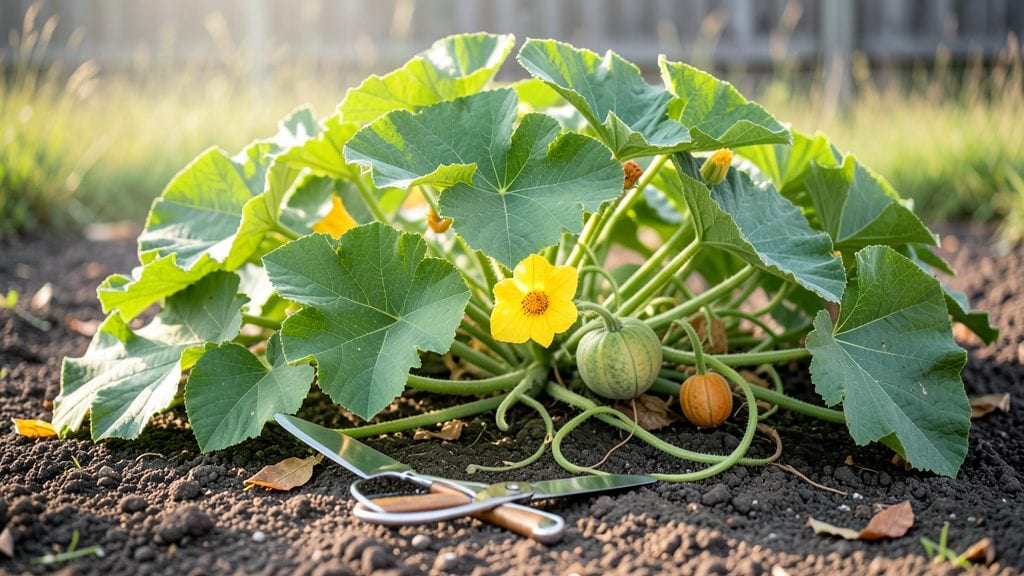
Can chickens eat raw pumpkin seeds? Yes, but only in small amounts—these seeds offer fiber and nutrients, though their hard shells and potential cyanide compounds in raw form may lead to digestive problems or blockages if overfed.
Raw pumpkin seeds contain trace amounts of cyanogenic glycosides, which can convert to cyanide when crushed or chewed—though the risk is minimal in tiny quantities. 🔥 The real concern is their tough outer shells, which chickens struggle to digest whole, potentially causing impactions.
I always recommend lightly roasting seeds to soften shells and reduce toxins, then offering just 1-2 teaspoons per chicken weekly as a treat. For extra safety, remove shells entirely or crush seeds coarsely before serving.
When introducing any new food, watch for signs like lethargy or reduced egg production—these could indicate digestive distress. Unroasted seeds should never exceed 5% of a chicken's diet, and always pair them with plenty of water to aid digestion.
For variety, consider cooked pumpkin pulp or store-bought unsalted seeds as safer alternatives.
💡 In This Article
- Pumpkin Seed Toxicity Risks for Chickens
- Safe Pumpkin Seed Feeding Guide for Chickens
Pumpkin seed toxicity risks for chickens
Raw pumpkin seeds contain trace amounts of cyanogenic glycosides, compounds that can release cyanide when the seed's cellular structure is broken down—either through chewing or mechanical crushing. While chickens have detoxification pathways, their livers must process these compounds efficiently.
A single seed contains about 0.0001-0.0002% cyanide by weight, but consuming even 10-15 seeds per pound of body weight could overwhelm a small chicken's system. The risk isn't immediate but accumulates with repeated exposure, making moderation critical. 🔥
The real danger lies in the seeds' hard, woody shells, which chickens can't easily digest. These shells pass through their gizzards intact, potentially causing impaction—a life-threatening blockage in the digestive tract.
Chickens lack the enzymes to break down cellulose in seed coats, so whole seeds act like pebbles in their digestive system. Even a single undigested shell can obstruct the crop or vent, requiring veterinary intervention. This is why I always recommend crushing seeds or removing shells entirely before serving.
Roasting seeds at 350°F for 10-15 minutes does more than just enhance flavor—it reduces cyanide levels by up to 80% through heat degradation of glycosides. The process also softens shells, making them easier to digest.
For extra safety, I've found that lightly toasting seeds in a dry pan until fragrant (about 3-4 minutes) achieves similar benefits without overcooking. This simple step transforms a risky treat into a nutritious snack. 💫
Here's what happens when chickens eat raw seeds in excess: their digestive systems slow down as they struggle to process the fibrous material, leading to reduced nutrient absorption. You might notice pale yellow droppings (a sign of poor digestion) or lethargy within 12-24 hours.
In severe cases, impaction causes loss of appetite and weight loss. The key factor is balance—seeds should never make up more than 5% of a chicken's weekly diet, and always be paired with water to aid digestion.
For comparison, a 3-pound chicken could safely consume about 1 teaspoon of crushed, roasted seeds per week without risk. That's roughly 5-7 seeds—about the size of a nickel.
Most backyard flocks treat seeds as an occasional snack rather than a dietary staple, which aligns perfectly with their natural foraging habits. The fiber content is beneficial, but the risks of overfeeding far outweigh the rewards. 🌟
What most people don't realize is that pumpkin pulp (the edible part) is far safer than seeds—it's soft, easily digestible, and packed with fiber. While seeds offer protein (30% by weight), the pulp provides 90% moisture, which helps prevent impaction.
This is why I recommend offering pulp as a daily treat and reserving seeds for rare occasions, always in their prepared (roasted/crushed) form.