Featured
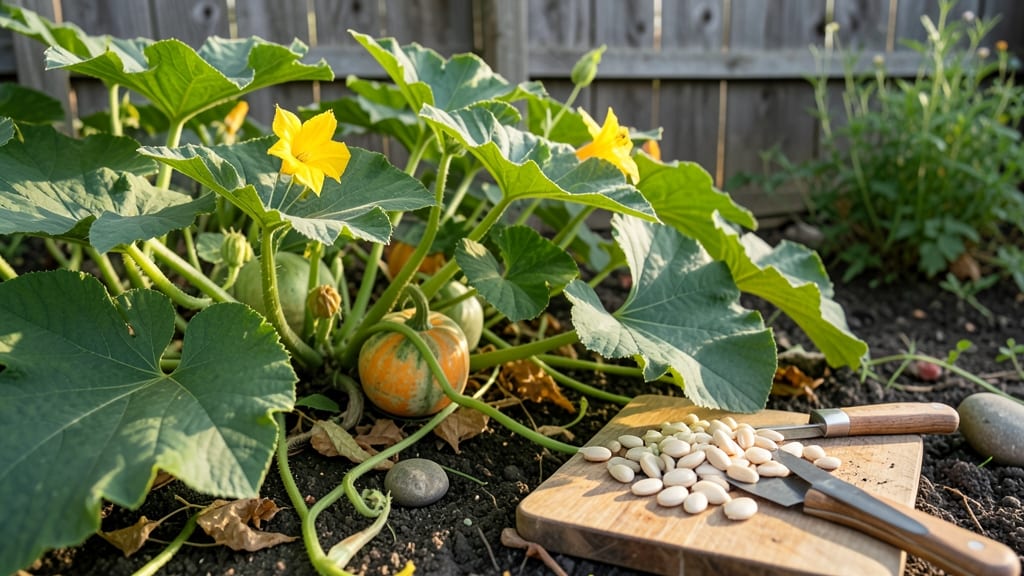
Chickens can eat whole pumpkin seeds in moderation, as they’re safe and nutritious, but avoid feeding raw seeds due to their hard shells and potential cyanide risk. Roasted, unsalted seeds are best—offer 1-2 teaspoons per chicken weekly as a treat, not a staple.
Pumpkin seeds pack a nutritional punch for chickens, offering healthy fats, protein, and minerals like zinc and magnesium that support feather quality and immune function. 💫 However, their hard shells can be tough on digestion unless softened through roasting, which also eliminates any cyanide concerns.
I’ve found that chickens love them as occasional snacks—just remember to keep portions small to avoid digestive upset or weight gain from excess fat.
For best results, always choose plain, unsalted seeds and store them in an airtight container to prevent spoilage. If you’re worried about shells, lightly crushing them makes them easier to digest while preserving their benefits.
This treat is a great way to add variety to your flock’s diet without the risks of raw seeds.
💡 In This Article
- Nutritional Value of Pumpkin Seeds for Chickens
- Safe Preparation and Feeding Guidelines
Nutritional value of pumpkin seeds for chickens
Pumpkin seeds deliver a powerhouse of nutrients that directly benefit chickens' health. A 1-ounce serving (about 2 tablespoons) contains roughly 5 grams of protein, which supports muscle maintenance and feather development.
The fat content—around 15 grams per ounce—provides concentrated energy, though excess can lead to weight gain, which is why moderation matters. These seeds also contain 167% of the daily recommended zinc for chickens, crucial for immune function and wound healing.
The mineral profile of pumpkin seeds makes them stand out compared to other seeds. For example, sunflower seeds offer similar protein (6 grams per ounce) but lack the same zinc density—sunflower seeds provide only 25% of the zinc found in pumpkin seeds.
Flaxseeds, another popular chicken treat, contain healthy omega-3s but have negligible zinc (1% daily value). Magnesium in pumpkin seeds (about 150mg per ounce) supports nerve function and calcium absorption, while their iron content aids red blood cell production.
Here's what happens when chickens digest these nutrients: The protein breaks down into amino acids that repair tissues, while zinc boosts their natural defenses against pathogens.
The healthy fats contribute to egg yolk quality and feather sheen, but too much can disrupt digestion. 🌟 The fiber in the seed coats (when not removed) adds bulk to their diet, promoting gut motility.
This is why roasted seeds—with softened shells—are ideal; they retain nutrients while being gentler on their digestive systems.
Moderation is key because pumpkin seeds are calorie-dense. A 1-teaspoon serving for a chicken contains about 15 calories, and overfeeding can lead to obesity. Their fat content, while beneficial, should not exceed 10% of their daily diet.
Compare this to sunflower seeds, which have 168 calories per ounce—nearly double the fat content of pumpkin seeds. The balance lies in offering them as treats, not staples, to avoid nutritional imbalances.
Another critical factor is the seed's natural oils, which oxidize over time. Freshly roasted seeds retain their full nutritional profile, but stored seeds lose potency within 2-3 weeks. This oxidation reduces vitamin E levels, which chickens rely on for cellular health.
To preserve benefits, store seeds in an airtight container in a cool, dark place—this slows oil degradation and maintains their nutritional value for longer.
What most people overlook is the synergy between pumpkin seeds and other treats. Pairing them with leafy greens (rich in vitamin K) or probiotic-rich foods (like yogurt) enhances their digestive benefits.
The zinc in pumpkin seeds works with vitamin A from greens to strengthen immunity, while the magnesium supports calcium absorption from eggshells or crushed oyster shells. This combination creates a balanced nutritional boost that raw seeds alone can't provide.
In summary, pumpkin seeds are a superfood for chickens when fed correctly. Their protein, zinc, and magnesium content directly supports growth, immunity, and overall vitality—but their high fat and calorie density means they should never replace balanced feed.
Think of them as a nutritional multivitamin for your flock, offered in controlled portions to maximize benefits without risks. 💛