Featured
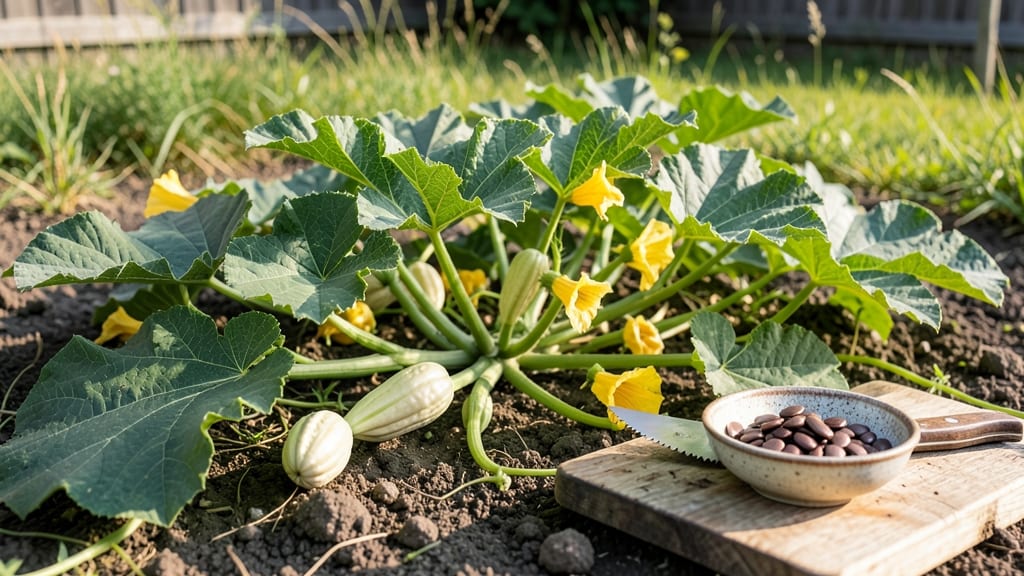
Chickens can eat spaghetti squash seeds in moderation, as they are non-toxic and provide fiber, though the hard outer shell may require cracking for easier digestion. Always introduce new foods gradually to avoid digestive upset.
Spaghetti squash seeds offer chickens a natural fiber source that supports gut health, but their tough shells can be difficult to digest whole. 🌱 I’ve found that lightly crushing them or offering them as part of a mixed mash helps chickens access the nutrients without risking blockages.
The seeds also contain small amounts of magnesium and potassium, which contribute to overall flock vitality when balanced with their regular diet.
When feeding these seeds, start with just a teaspoon per chicken to monitor their reaction. Overfeeding can lead to loose stools or discomfort, so moderation is key. You can also roast the seeds lightly to enhance flavor and soften the texture, making them more appealing to your flock.
💡 In This Article
- Nutritional Value of Spaghetti Squash Seeds for Chickens
- Preparing Spaghetti Squash Seeds for Safe Chicken Feeding
Nutritional value of spaghetti squash seeds for chickens
Spaghetti squash seeds pack a surprising nutritional punch for chickens, offering a natural source of dietary fiber that supports gut motility and digestion.
These seeds contain approximately 2-3 grams of fiber per tablespoon, which helps regulate digestion—similar to the fiber content found in pumpkin seeds but with a slightly harder shell.
The fiber content is roughly 20% of the seed's dry weight, making it a valuable addition to a chicken's diet when balanced properly.
Beyond fiber, these seeds provide essential trace minerals like magnesium (around 30mg per tablespoon) and potassium (approximately 50mg per tablespoon). Magnesium supports muscle function and nerve signaling, while potassium helps maintain proper fluid balance and heart health—both critical for active flocks.
Compared to sunflower seeds (which contain 1.5mg of magnesium and 200mg of potassium per tablespoon), spaghetti squash seeds offer a more balanced mineral profile for chickens.
The protein content in spaghetti squash seeds is modest but beneficial, sitting around 5-6 grams per tablespoon, which is comparable to chia seeds. This protein supports feather development and overall growth, especially for younger chickens.
However, the seeds lack the complete amino acid profile found in insects or high-protein feeds, so they should complement—not replace—primary protein sources in a chicken's diet.
What sets these seeds apart is their low fat content (1-2 grams per tablespoon), making them a lighter option compared to seeds like flax or sunflower, which can contribute to weight gain if overfed.
The seeds also contain small amounts of vitamin E and zinc, which bolster immune function. For comparison, a tablespoon of spaghetti squash seeds provides about 0.5mg of zinc, similar to what you'd find in a small portion of cooked quinoa.
The hard outer shell can pose a challenge, as chickens may struggle to crack it open, limiting their access to the nutritious interior. This is why preparation—like lightly crushing or blending—becomes essential.
Without proper preparation, chickens might peck at the seeds without consuming enough of the nutrient-rich center, defeating the purpose of offering them in the first place. 🌟
In practice, these seeds work best as a 10-15% supplement to a chicken's regular diet, offering variety without overloading their system.
For example, a small flock of 6 chickens could safely enjoy a teaspoon of crushed seeds per bird per week, spread out over several feedings to avoid digestive upset. The key is moderation—too much fiber at once can lead to loose stools, while too little won’t provide meaningful benefits.