
Featured
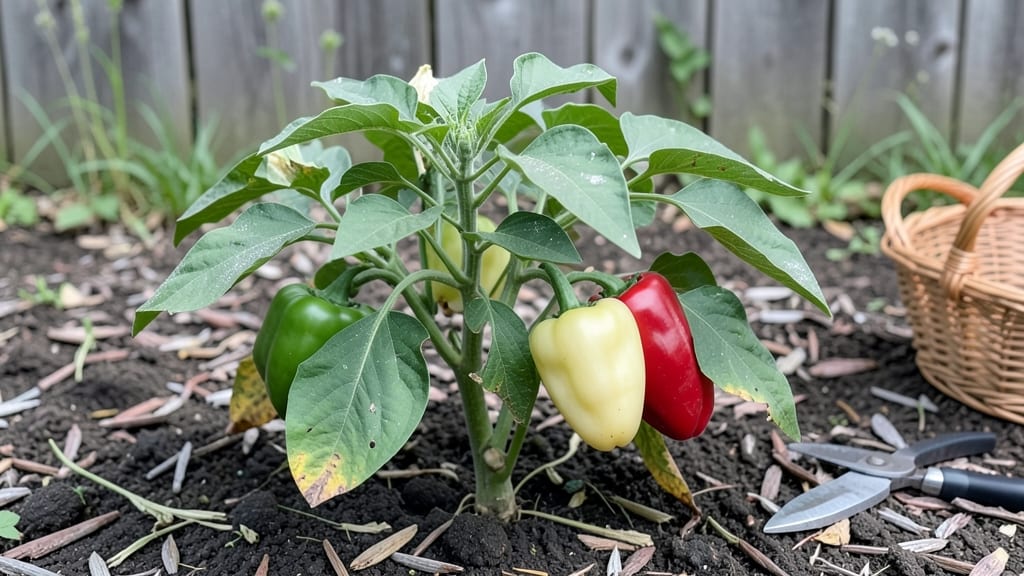
While bell pepper seeds aren't poisonous, they're essentially flavorless to dogs and won't contribute meaningfully to their diet.
The real concerns come from potential pesticide residues on store-bought peppers or accidental ingestion of hot pepper seeds, which contain capsaicin that can irritate a dog's mouth and digestive tract. 🔥 I recommend thoroughly washing any produce before sharing with your pup and sticking to dog-safe vegetable alternatives like steamed carrots or cucumber slices when treating them to something new.
If you notice vomiting, diarrhea, or excessive drooling after your dog eats bell pepper seeds, contact your vet immediately—these could signal an allergic reaction or sensitivity. Most dogs tolerate small amounts just fine, but individual reactions vary widely based on size, breed, and existing health conditions.
💡 In This Article
- Toxicity Risks of Bell Pepper Seeds for Dogs
- Safe Vegetable Alternatives for Dogs
Toxicity risks of bell pepper seeds for dogs
Bell pepper seeds themselves aren't toxic to dogs, but their safety depends on several factors. The seeds contain minimal amounts of solanine—a compound found in nightshades—but bell peppers have far less (0.0001%) than toxic nightshades like potatoes.
However, the real concern lies in accidental pesticide exposure, as store-bought peppers often carry residues. A 2018 FDA study found pesticide levels on conventional peppers that could cause mild stomach upset in dogs, especially smaller breeds.
The texture of bell pepper seeds also poses risks. While not a choking hazard for most adult dogs, their hard, 1-2mm size can irritate a dog's throat or digestive tract if consumed in large quantities.
Chewing seeds may also introduce sharp fragments that scratch sensitive tissues. What's more, the seeds' fibrous outer coating can cause temporary constipation if eaten in excess, similar to how sesame seeds affect some humans.
Hot pepper seeds present an entirely different danger due to capsaicin—the compound that makes peppers spicy.
Even a tiny amount (0.00001%) can cause severe irritation in a dog's mouth, throat, and stomach, leading to drooling, vomiting, or diarrhea. Jalapeños contain 2,500-8,000 SHU (Scoville Heat Units), while habaneros can exceed 350,000 SHU—enough to burn a dog's digestive lining.
The symptoms typically appear within 30-60 minutes after ingestion.
Digestive sensitivity varies by dog, but overconsumption of bell pepper seeds may trigger mild reactions in some pets. Signs include soft stools, increased gas, or lethargy, which usually resolve within 24 hours. Breeds with sensitive stomachs—like Shih Tzus or Dachshunds—are more prone to upset.
To minimize risk, always wash peppers thoroughly and limit seeds to 1-2 teaspoons for small dogs or 1 tablespoon for larger breeds as an occasional treat.
Here's what to watch for if your dog eats too many seeds:
- Mild reactions: Excessive drooling, mild vomiting, or loose stools
- Moderate reactions: Lethargy, diarrhea lasting >24 hours, or loss of appetite
- Severe reactions: Difficulty breathing, seizures, or blood in vomit (seek emergency vet care)
The key factor is moderation—bell pepper seeds aren't dangerous in tiny amounts, but they're not beneficial either. Their nutritional value is negligible compared to dog-safe alternatives like steamed carrots (high in fiber) or green beans (low-calorie protein).
Always introduce new foods gradually, starting with 1/4 teaspoon and monitoring for reactions over 48 hours. 💫