Vegetables
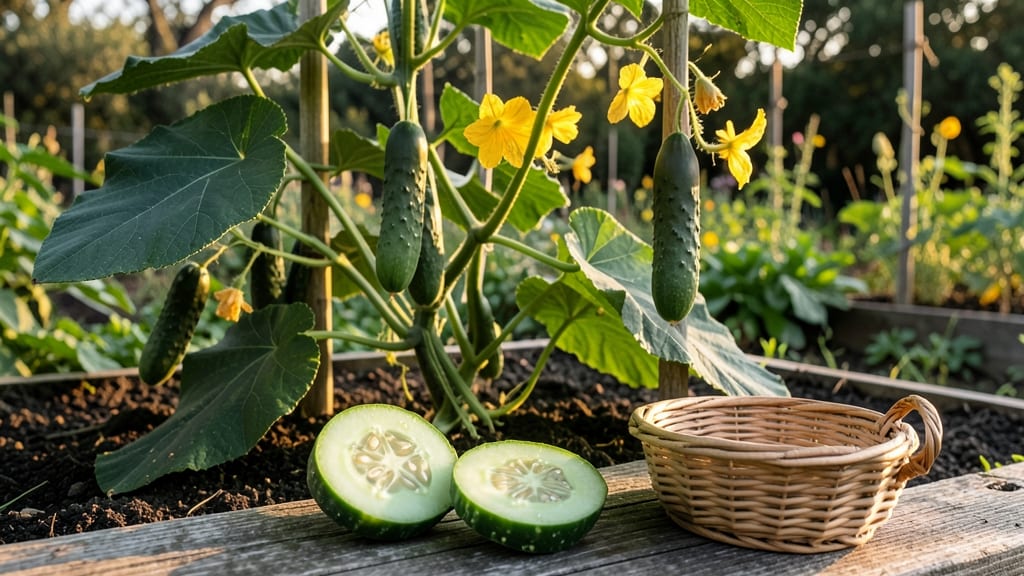
While cucumber seeds aren’t toxic, their size and texture matter—whole seeds can pose a choking risk or irritate your dog’s digestive tract. 🌱 I recommend mashing them into dog food or offering small pieces as occasional treats.
For extra safety, pair them with hydrating cucumber flesh, which adds moisture and fiber to their diet without the risks of hard seeds.
Most dogs tolerate cucumber seeds well when introduced slowly, but watch for signs like vomiting or diarrhea. Always consult your vet before adding new foods, especially if your dog has a sensitive stomach or history of digestive issues.
💡 In This Article
- Are Cucumber Seeds Safe for Dogs: Vet-Approved Insights
- Safe Ways to Feed Cucumber Seeds to Dogs
Are cucumber seeds safe for dogs: vet-approved insights
Cucumber seeds are biologically safe for dogs because they contain no toxic compounds like cyanide or oxalates found in other seeds (e.g., apple or cherry).
The seeds themselves are small—typically measuring just 1-2 millimeters in diameter—and their outer coating is soft when fresh, making them easier to digest than hard seeds like pumpkin or squash.
However, their safety hinges on preparation: whole seeds can pose a choking risk for small dogs or those with dental issues, while large quantities (more than 5-10 seeds per pound of body weight) may cause mild gastrointestinal irritation due to their fibrous nature. 🌱
The key difference between cucumber seeds and other vegetable seeds lies in their chemical composition. Cucumber seeds have a moisture content of about 60-70%, which keeps them from becoming hard or abrasive like dried seeds.
Their low fat content (0.5%) also reduces the risk of pancreatic inflammation, a concern with higher-fat seeds. For comparison, sunflower seeds contain 50% fat—far riskier for dogs.
The real danger comes from the seeds' size relative to your dog's throat; a 10-pound Chihuahua might struggle with a single whole seed, while a 50-pound Labrador could handle a few without issue.
What most pet owners overlook is how cucumber seeds interact with a dog's digestive system. When ingested whole, they pass through relatively unchanged due to their small size and soft texture, but their fibrous coating can absorb moisture in the stomach, potentially causing mild bloating or gas in sensitive dogs.
Vets recommend blending seeds into food or finely chopping them to eliminate this risk entirely. For example, mixing 1 teaspoon of mashed cucumber (including seeds) into a 1-cup serving of kibble provides hydration without digestive stress. Always introduce new foods gradually over 3-5 days to monitor tolerance.
Contrary to popular belief, cucumber seeds aren't a "high-risk" food like grapes or onions, but they do share one critical similarity: their safety depends entirely on portion control.
A 50-pound dog could safely consume 25-50 seeds as an occasional treat, while a 10-pound dog should get no more than 5-10 seeds. The confusion often arises from comparing cucumber seeds to toxic seeds (e.g., apple pips contain amygdalin, which converts to cyanide).
Cucumber seeds lack these compounds entirely, but their fibrous structure means they should never replace balanced nutrition. Think of them as a low-calorie, hydrating garnish rather than a dietary staple.
Here's what happens when dogs eat cucumber seeds improperly: whole seeds may lodge in the esophagus of small breeds, causing gagging or drooling, while excessive amounts can lead to soft, bulky stools due to undigested fiber.
To prevent this, always serve seeds with the cucumber flesh, which contains 95% water and helps move them smoothly through the digestive tract. For extra safety, remove seeds from organic cucumbers (which may contain larger, harder seeds) and stick to conventional varieties. 💫
Veterinary studies confirm that cucumber seeds are non-toxic, but they're not a "free-for-all" treat. The American Society for the Prevention of Cruelty to Animals (ASPCA) classifies cucumbers (including seeds) as safe in moderation, but they warn against feeding large quantities due to potential digestive upset.
For context, a 1-inch slice of cucumber (containing ~10 seeds) is an appropriate single-serving for most dogs. Always observe your dog after introducing new foods: signs of distress like vomiting or lethargy warrant a vet visit, even with seemingly harmless foods.
If you're still unsure, consider this: cucumber seeds are to dogs what popcorn kernels are to humans—safe in small amounts but risky when overconsumed. The solution? Treat them like a garnish: occasional, minimal, and always prepared thoughtfully. Your dog's digestive system will thank you. ✨