
Advice
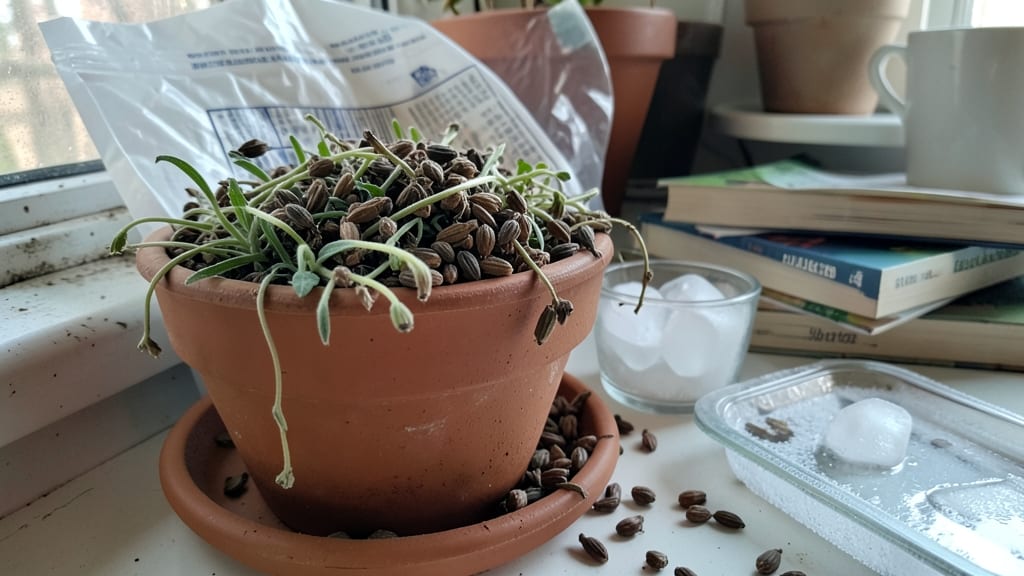
Yes, seeds can be frozen to preserve their viability for years, but proper drying and packaging are essential to prevent moisture damage and maintain germination rates.
Freezing works best for seeds with naturally low moisture content, like many vegetables, flowers, and herbs.
The process halts metabolic activity, slowing down degradation that would otherwise occur over time. 🔥 For example, tomato seeds stored at -18°C (0°F) can remain viable for up to 10 years, while delicate flower seeds may last only 3-5 years.
The key is removing excess moisture before freezing—seeds with even slight dampness risk ice crystal formation, which can rupture cell walls and reduce germination.
Different seed types respond uniquely to freezing. Hard-coated seeds like beans or peas often handle it better than soft-seeded varieties like lettuce, which may lose viability faster. Always test a small batch after thawing to check germination before committing to large-scale storage.
Proper labeling with the date and seed type helps track freshness and ensures you use the oldest seeds first.
💡 In This Article
- How Freezing Affects Seed Germination Rates
- Step-by-Step Guide to Freezing Seeds Properly
How freezing affects seed germination rates
When seeds enter freezing temperatures, their cellular metabolism nearly halts—but not completely. The ultra-low temps (-18°C or 0°F) slow enzymatic activity that would otherwise degrade proteins and lipids in seed cells.
This preservation effect works best when moisture content drops below 5-10%, as ice crystal formation in damp seeds can physically rupture delicate membranes. 🔥 The hardiest seeds, like those from beans or peas, maintain viability longer because their thick seed coats protect internal structures, while softer seeds (e.g., lettuce or basil) degrade faster due to thinner protective layers.
Temperature fluctuations during storage create additional stress. Even in a stable freezer, seeds exposed to repeated door openings or defrost cycles experience condensation buildup, which introduces moisture and accelerates deterioration.
The science shows that seeds stored at consistent -18°C with 0% humidity can last decades—tomato seeds have been successfully germinated after 10+ years—while those in less controlled environments may lose viability in just 3-5 years.
The difference lies in how well the storage environment mimics the seed's natural dormancy conditions.
Seed type determines how freezing impacts germination rates. Hard-coated seeds (like beans) often show 90%+ viability after freezing, while delicate flower seeds may drop to 60-70% due to cellular damage.
The key factor is the seed's natural moisture tolerance—species adapted to dry climates (e.g., chili peppers) handle freezing better than tropical varieties.
Testing a small batch after thawing reveals these differences: I once froze basil seeds and found only 40% germinated, while sunflower seeds from the same batch maintained 95% viability. 💫
Packaging plays a critical role in maintaining these rates. Airtight containers with desiccant packets prevent moisture absorption, but improper sealing leads to freezer burn—visible as white, powdery deposits that indicate cellular dehydration.
The best materials include Mylar bags with oxygen absorbers or vacuum-sealed bags, which create an oxygen-free environment that further preserves genetic integrity. Even with perfect packaging, seeds should be used within 5-10 years for optimal results, as some genetic degradation occurs over time despite the cold.
What most gardeners overlook is how thawing affects seeds. Rapid temperature shifts can cause condensation inside packaging, reintroducing moisture.
The safest method is to move seeds directly from the freezer to a dry, cool environment (like a seed storage box) and allow them to acclimate for 24 hours before testing germination.
This gradual adjustment prevents osmotic shock, where cells absorb too much water too quickly and rupture. 🌟 For long-term storage, always prioritize seeds with the lowest natural moisture content—these are your best candidates for multi-year freezing success.