
Flowers
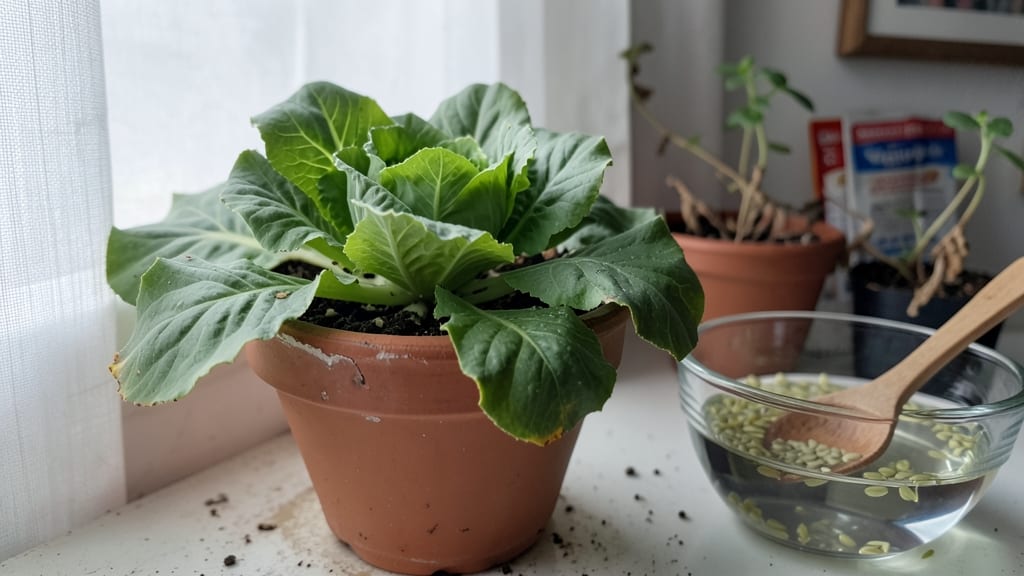
Seeds that float in water—like tomatoes, cucumbers, and apples—typically show low viability, while denser seeds such as beans, peas, or sunflower usually sink and have higher germination potential. This simple test can save you time before planting.
This water test works because seed density determines whether they rise or stay submerged. 🌱 Seeds with hollow cavities or thin shells (like tomatoes) fill with water and float, signaling they may not sprout.
Meanwhile, dense seeds like beans absorb less water and sink, often indicating better germination potential. I’ve found this method especially useful for testing large seed batches before investing time in planting.
For best results, use room-temperature water and observe seeds within 15-20 minutes. Some seeds (like chives) may float but still germinate—always pair the test with other viability checks. Storing sinking seeds in a cool, dry place afterward preserves their potential for weeks.
💡 In This Article
- Why Some Seeds Float and Others Sink
- How to Use the Float Test for Seed Viability
Why some seeds float and others sink
The buoyancy of seeds comes down to their internal structure and density. Seeds like tomatoes or apples contain large air pockets or hollow cavities that fill with water when submerged, causing them to float.
These cavities act like tiny balloons, reducing overall density below 1 gram per cubic centimeter—the threshold where objects float in water. In contrast, dense seeds like beans or peas have solid, compact interiors with minimal air space, making them heavier and causing them to sink.
Seed coat composition plays a crucial role too. Thinner, more porous coats (common in tomato seeds) allow water to penetrate quickly, filling those internal air pockets.
Thicker, waxier seed coats (found in beans) resist water absorption, maintaining their density. 💫 The difference is like comparing a sponge to a rock—one absorbs water and becomes buoyant, while the other stays firmly grounded.
Moisture absorption during the float test reveals hidden clues about viability. Seeds that float often have compromised seed coats or damaged embryos, unable to absorb water properly for germination. Sinking seeds, however, typically have intact structures that can draw in moisture efficiently.
This is why bean seeds (density around 1.2-1.3 g/cm³) almost always sink—their sturdy composition signals readiness to sprout.
Temperature factors into the equation too. Cold water (50°F) slows water absorption, while warm water (75°F) accelerates it—meaning float results may vary slightly with temperature.
Some seeds (like chives) defy expectations by floating but still germinating, proving the test isn't foolproof. That's why I recommend combining it with other viability checks for accuracy.
Consider the seed's evolutionary purpose: many floating seeds (like those from aquatic plants) are designed to disperse via water currents. Their buoyancy is an adaptation, not a flaw. Meanwhile, terrestrial seeds like beans prioritize density to stay grounded where they can germinate.
This structural dichotomy explains why the float test works as a quick viability predictor for most garden seeds.
The science gets even more interesting when you examine seed hydration rates. A tomato seed might absorb 30-40% of its weight in water within minutes, while a bean seed absorbs just 10-15%—yet both appear fully hydrated.
This difference reveals why floating seeds often fail to germinate: their rapid water uptake can damage delicate embryonic tissues before proper hydration occurs.