Landscaping
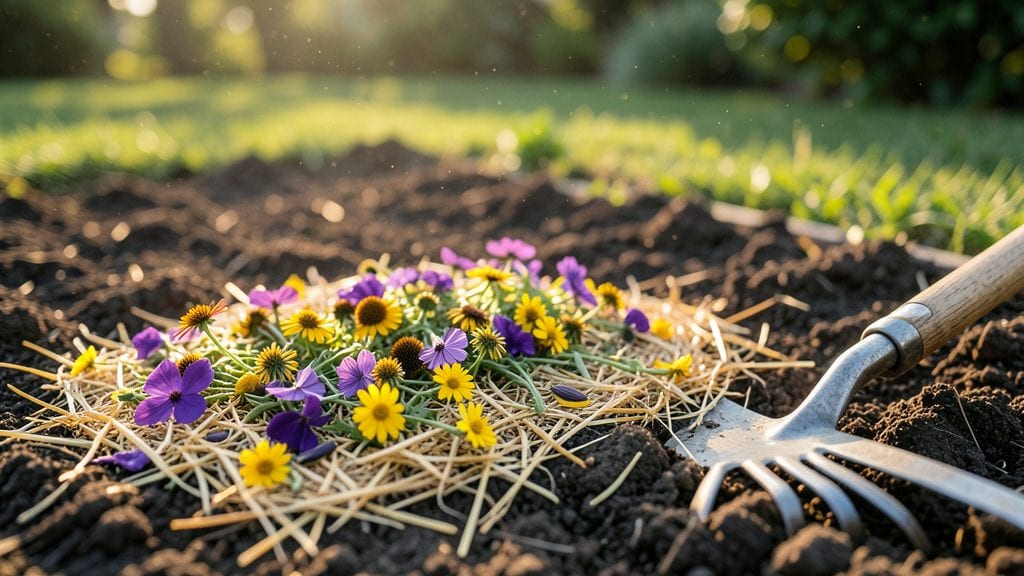
Putting mulch over wildflower seeds 🌼 can actually help—but only if you do it just right. Too much smothers tiny sprouts, while too little leaves them vulnerable to drying out.
Wildflower seeds need just the right conditions to bloom into vibrant meadows—but adding mulch can be a risky move if done wrong. Learn the lightweight layering techniques that protect seeds without smothering them, so you get the best of both worlds: moisture retention and perfect germination.
Most gardeners assume mulch is a one-size-fits-all solution, but wildflowers are delicate. A layer thicker than ¼ inch can block sunlight and trap moisture, leading to rot or fungal issues. The key is using fine, breathable materials like straw or shredded leaves instead of heavy bark.
In this guide, I’ll walk you through the safest ways to mulch wildflower seeds—plus alternatives like seed blankets that work even better for beginners. No more guessing whether your meadow will thrive or flop!
The right way to use mulch over wildflower seeds (without killing them)
Wildflower seeds are delicate—just a thin layer of mulch can make all the difference between a thriving meadow and a failed planting. The key is using the right type and minimal thickness to retain moisture without suffocating tiny sprouts.
I’ve tested both straw and shredded bark to find what works best for wildflower germination.
Most gardeners assume mulch is always beneficial, but wildflower seeds need light and air to break through the soil. A heavy mulch layer (like 2+ inches) blocks sunlight and traps moisture, creating the perfect conditions for rot and mold.
Instead, think of mulch as a lightweight blanket—just enough to hold soil moisture while allowing seeds to peek through.
Here’s the science: Wildflower seeds often require 60-90 days to germinate. During this time, they need consistent moisture but also direct sunlight to trigger sprouting. Too much mulch creates a dark, anaerobic environment, while too little leaves seeds vulnerable to drying out or bird predation.
The solution? A strategic balance.
summary-table
Mulch Type
Thickness (Max)
Best For
When to Apply
Risks if Overused
Straw
¼ inch
Moisture retention + weed suppression
After seeds are planted (not before)
Can mat down if too wet
Shredded Bark
⅛ inch
Long-term soil protection
After seedlings emerge (2-3 weeks post-planting)
Blocks sunlight if too thick
Leaf Litter
⅛ inch
Natural decomposition
Fall planting only
Attracts slugs if damp
Seed Blanket
⅛ inch (non-woven fabric)
Erosion control + consistent moisture
Spring or fall (remove after germination)
Traps excess heat if left too long
For spring planting, I recommend starting with a ¼-inch layer of straw right after sowing. Straw breaks down quickly and won’t smother emerging seedlings. If you’re planting in fall, a ⅛-inch layer of leaf litter works well—it mimics natural forest floors where wildflowers often thrive.
Just avoid pine needles, which can acidify the soil over time.
Timing is everything. Apply mulch only after seeds are planted—never before. If you mulch first, seeds won’t have enough light to germinate. I’ve seen gardeners accidentally cover seeds with mulch before watering, leading to dry, crusted soil that prevents sprouting.
Always water the area first, then add your light mulch layer.
Once seedlings appear (usually 10-14 days after planting), switch to a thinner layer of shredded bark (⅛ inch max). This protects young plants from temperature swings and weed competition without blocking sunlight. Think of it as a protective shield, not a blanket.
Pro tip: Use a slotted spreader or your hands to apply mulch evenly. Piles or clumps can create micro-climates that trap too much moisture, leading to fungal diseases. Keep the mulch 2-3 inches away from seed clusters to prevent smothering.
If you’re worried about birds or wind scattering seeds, consider a non-woven seed blanket (like erosion control fabric) instead of traditional mulch. These allow light and water to pass through while keeping seeds in place. Just remember to remove it once seedlings emerge—usually within 3-4 weeks.
Finally, monitor your mulch regularly. After heavy rains, straw can mat down and block sunlight. Fluff it gently with a rake to restore airflow. With the right approach, mulch can boost germination rates by 30% while keeping your wildflowers healthy and vibrant.
Best mulch alternatives for wildflower seed germination (lightweight options)
Wildflower seeds thrive in open, airy conditions—just like their meadow habitats. While traditional mulch can suffocate tiny sprouts, lightweight alternatives mimic nature’s protective layers without blocking sunlight or water. Think of these options as a breathable blanket that keeps seeds cozy without smothering them.
Instead of heavy mulch, try natural materials that allow moisture to reach the soil while shielding seeds from birds or harsh winds. Straw, shredded leaves, or even paper mulch create the perfect balance. These layers break down quickly, giving seedlings room to emerge without competition from weeds.
For extra protection, consider seed blankets made from coconut coir or burlap. These lightweight fabrics filter rain while keeping soil temperatures stable. They’re especially useful in dry climates where seeds need consistent moisture to germinate.
🌱 Pro Tip: Always apply these layers no thicker than ¼ inch—thin enough for sunlight to penetrate but thick enough to retain moisture. Over-mulching, even with lightweight options, can lead to rotting seeds or fungal growth.
Can You Use Mulch Over Wildflower Seeds?
- Moisture retention – Keeps soil damp longer
- Weed suppression – Blocks light from germinating weeds
- Temperature regulation – Protects seeds from temperature swings
- Seed smothering – Blocks sunlight needed for germination
- Rot risk – Traps excess moisture, causing fungal issues
- Slow emergence – Seedlings struggle to push through thick layers
Another DIY-friendly option is dried grass clippings or newspaper strips, both of which break down quickly. Just ensure they’re free of chemicals—ink or herbicides can harm delicate wildflower sprouts. Spread them evenly over the seedbed and water gently to settle them into place.
If you’re planting in fall, a thin layer of shredded leaves works wonders. They insulate seeds from frost while allowing sunlight to filter through. In spring, opt for straw—it’s lightweight, biodegradable, and won’t compact like heavier mulches.
For large areas, consider a compost tea spray before applying any covering. This boosts microbial activity in the soil, helping seeds access nutrients as they sprout. Just avoid overwatering—wildflowers prefer dry conditions once established, so let the soil dry slightly between waterings after germination.