
Trees
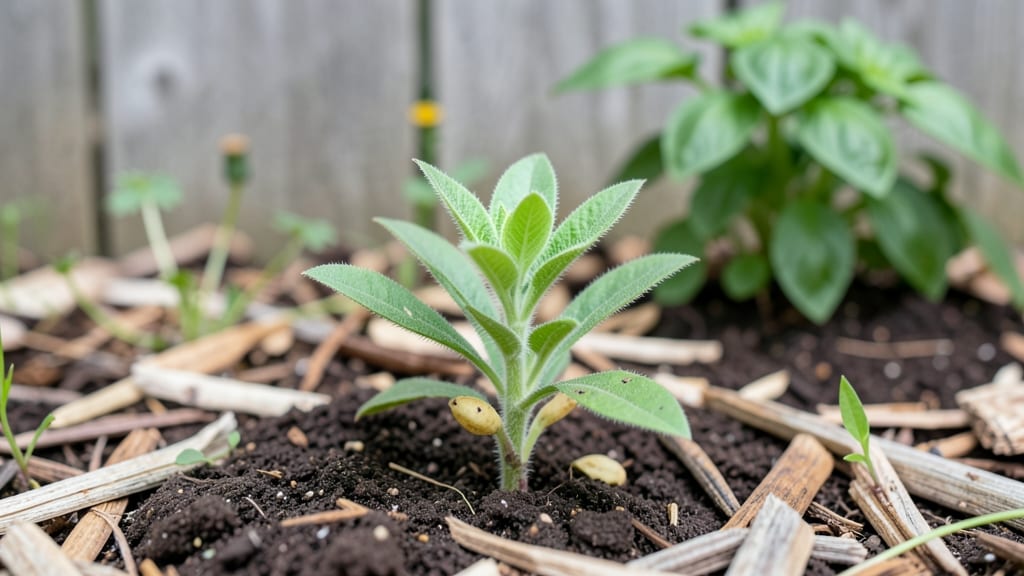
Mastering coreopsis seedling identification begins with spotting their delicate, lobed leaves—just like tiny oak leaves—before any blooms emerge. 🌱 I used to pull out what I thought were weeds, only to realize later they were baby coreopsis hiding in the mix.
The leaves grow in a rosette pattern close to the ground, and their color is a vibrant green with a slight waxy sheen that sets them apart from other seedlings.
Here’s the game-changer: true coreopsis seedlings have three distinct lobes on each leaf, while lookalikes like tickseed (Coreopsis lanceolata) or other composites often have smoother edges. Pay attention to the spacing too—coreopsis seedlings stay compact at first, rarely stretching more than 2 inches tall before their first true leaves form.
This tight growth habit helps them compete with weeds early on.
Mistaking them for other plants can mean losing your best performers before they even bloom. Once you spot those lobed leaves, mark the location or gently transplant them to a nursery pot to give them a fighting chance.
By the time they’re 4-6 inches tall, you’ll see the classic daisy-like foliage that makes coreopsis so recognizable—and so worth saving.
This skill becomes especially useful when dealing with mixed seed batches or volunteer seedlings popping up unexpectedly. A little observation now means bold, cheerful blooms come summer, not a missed opportunity. Let’s break down the key differences so you never confuse them again.
Coreopsis Seedling Confusion Explained
Identifying coreopsis seedlings can feel like solving a botanical puzzle—especially when they resemble other plants at first glance. Misidentification often stems from visual similarities to weeds, other wildflowers, or even young perennials.
Understanding the root causes helps you spot the clues that distinguish true coreopsis from look-alikes. Let’s break down why this mix-up happens and what triggers it.
Coreopsis seedlings share leaf shapes with many other plants, particularly in their first few weeks of growth. The key issue? Young leaves of coreopsis (often lance-shaped or deeply lobed) mimic those of dandelions, ragweed, or even young sunflowers. Here’s why:
- Simple vs. compound confusion: Coreopsis leaves are simple (single blades), but their jagged edges can fool gardeners into thinking they’re compound (like milkweed or Queen Anne’s lace). In reality, coreopsis leaves are deeply serrated or pinnately lobed, but this detail is easy to miss when they’re tiny.
- Color camouflage: Seedlings often start with blue-green or reddish hues, blending into garden soil or mulch. Weeds like prostrate knotweed or henbit can have similar early coloration, making them nearly indistinguishable without close inspection.
- Growth stage deception: The first true leaves of coreopsis may look hairy or fuzzy (a trait shared with some verbena species), while mature plants develop smoother foliage. This shift can lead to premature dismissal if you’re only checking seedlings briefly.
Pro Tip: 🔍 Use a magnifying glass to check for tiny hairs on stems (coreopsis often has them) or the arrangement of veins—coreopsis leaves have prominent parallel veins that diverge toward the edges.
Sometimes, what looks like a misidentified coreopsis seedling is actually a healthy plant under stress—or a diseased one that’s been misdiagnosed. Here’s how environmental factors play tricks:
| Cause | How It Looks Like Coreopsis (But Isn’t) | Real Clue to Spot the Difference |
|---|---|---|
| Overwatering | Yellowing leaves, wilting, or mushy stems (resembling fungal infection). | Check the soil moisture—coreopsis prefers well-draining soil. If the pot/bed feels soggy, it’s likely root rot, not a seedling. |
| Underwatering | Curled, crispy leaves or stunted growth (mistaken for slow-growing coreopsis). | Gently tug on the seedling—if it pops out easily, it’s dehydrated. Coreopsis roots are fibrous and deep. |
| Pest damage (e.g., aphids, spider mites) | Stunted growth, sticky residue, or distorted leaves (often confused with viral infection). | Look on the underside of leaves for tiny insects or webbing. Coreopsis seedlings rarely show these signs unless heavily infested. |
| Nutrient deficiency (e.g., nitrogen) | Pale yellow leaves (similar to chlorosis in coreopsis). | Deficient plants often have older leaves turning yellow first, while coreopsis seedlings discolor evenly if stressed. |
Pro Tip: 🌡️ Monitor soil temperature—coreopsis thrives in 60–75°F soil. If seedlings appear weak in cold or hot extremes, they may be struggling with temperature shock, not misidentification.
Not all coreopsis seedlings come from the same parent plant, and cross-pollination can create unexpected variations in leaf shape, color, and growth habit. Here’s how it happens:
- Hybridization with wild relatives: Coreopsis (especially Coreopsis lanceolata or tinctoria) can cross with wild tickseed or goldenrod, producing seedlings with intermediate traits—like narrower leaves or paler blooms. These hybrids may lack the classic coreopsis “pincushion” flower shape until maturity.
- Contaminated seed batches: If seeds were harvested from a mixed wildflower meadow, they might include black-eyed Susan (Rudbeckia) or coneflower (Echinacea) seedlings. These often have darker stems or different leaf textures.
- Volunteer seedlings from neighboring plants: Coreopsis spreads easily via self-seeding. If a single mature plant drops seeds near other flowers (like zinnia or marigold), the resulting seedlings may resemble their neighbors more than the parent coreopsis.
Actionable Fix: ✨ Start with certified coreopsis seeds from reputable suppliers, and isolate seedlings until you confirm their identity. If you’re foraging, only collect seeds from plants with confirmed coreopsis flowers (look for the distinctive daisy-like blooms).
By pinpointing these common causes—leaf resemblance, environmental stress, and seed source issues—you’ll sharpen your ability to accurately ID coreopsis seedlings before they mature. The next step? Mastering the telltale leaf and color cues that set them apart.
Quick Fixes for Common Seedling Struggles
Once you’ve identified your coreopsis seedlings, you may still face challenges like slow growth, disease, or pests. Here’s how to diagnose and fix the most common issues—plus tips to keep your seedlings thriving.
Cause: Poor soil quality, overcrowding, or insufficient sunlight. Solution:
- Test your soil 🧪—coreopsis thrives in well-draining, slightly acidic soil (pH 6.0–7.0). Amend heavy clay or sandy soil with compost or organic matter.
- Thin seedlings 🌿 if they’re too close together (aim for 12–18 inches apart). Overcrowding steals nutrients and air circulation.
- Boost sunlight ☀️—place seedlings in full sun (6+ hours daily). If indoors, use a grow light 12–14 hours/day.
- Fertilize lightly 🌱—use a balanced, slow-release fertilizer (10-10-10) at half-strength once a month.
Prevention: ✔ Start with quality soil—mix garden soil with perlite or coconut coir for better drainage. ✔ Avoid transplant shock—harden off seedlings by gradually exposing them to outdoor conditions over 1–2 weeks.
Cause: Aphids, spider mites, or fungal issues (like powdery mildew) from humidity or stress. Solution:
- Spot-treat pests 🐞:
- Aphids/mites: Spray with neem oil or insecticidal soap (follow label instructions).
- Slugs/snails: Set beer traps or use diatomaceous earth around seedlings.
- Combat fungal diseases 🍄:
- Remove infected leaves immediately.
- Improve airflow by spacing plants wider.
- Apply a copper fungicide or baking soda spray (1 tsp baking soda + 1 quart water + a drop of dish soap) weekly if mildew appears.
Prevention: ✔ Water at the base 💧—avoid wetting leaves to reduce fungal spores. ✔ Rotate crops 🌱—if replanting in the same spot, wait 2–3 years to prevent disease buildup.
Cause: Extreme temperatures causing yellowing, wilting, or blackened leaves. Solution:
- For heat stress 🔥:
- Provide afternoon shade with a breathable shade cloth (30–50% coverage).
- Mulch with straw or wood chips to retain moisture.
- For cold damage ❄️:
- Cover seedlings with frost cloth if temperatures dip below 28°F (-2°C).
- Avoid watering before a freeze—wet leaves can freeze and damage tissue.
Prevention: ✔ Choose the right time 📅—plant coreopsis seedlings after the last frost in spring or in early fall (6–8 weeks before first frost). ✔ Monitor forecasts 🌦️—keep an eye on heatwaves or cold snaps and act fast.
Cause: You’ve got look-alikes like tickseed (Coreopsis spp.) vs. other wildflowers (e.g., black-eyed Susan). Solution:
- Double-check leaf shape 🍃:
- Coreopsis: Lance-shaped, toothed edges, and a central vein.
- Black-eyed Susan: Coarser, more jagged leaves with a rough texture.
- Observe flower structure 🌼:
- Coreopsis has daisy-like blooms with yellow (or sometimes pink/red) petals and a raised center.
- Black-eyed Susans have drooping petals and a dark "eye."
- Consult a local nursery 🏡—if unsure, bring a photo or sample for expert ID.
Prevention: ✔ Buy certified seeds 🌱 from reputable sellers to avoid hybrids or mislabeled plants. ✔ Keep a plant journal 📖—note leaf patterns, growth speed, and flower colors for future reference.
Pro Tip: 💡 When in doubt, snap a photo and compare it to online databases like the USDA Plants Database or gardening forums for a second opinion!
Frequently asked questions about coreopsis seedlings
How do I tell coreopsis seedlings apart from weeds like dandelions?
Look for the lobed, lance-shaped leaves growing in a tight rosette—coreopsis seedlings have 3 distinct lobes per leaf, while dandelions have smooth, deeply toothed edges. Another clue: coreopsis leaves often have a slight waxy sheen and stay low to the ground initially, unlike dandelions' taller stems.
Can I transplant coreopsis seedlings too early?
Yes, but avoid transplanting before they develop 2-3 true leaves (about 4-6 weeks after germination). Seedlings need this root system to handle stress. Harden them off first by placing outdoors for 1-2 hours daily over 1 week before permanent planting.
Why do my coreopsis seedlings look fuzzy?
That's normal! Young coreopsis often have tiny hairs on stems and leaves—a protective trait against pests. If the fuzziness persists past the 4-leaf stage or looks moldy, check for powdery mildew (common in humid conditions) and improve airflow.
What's the fastest way to confirm coreopsis vs. black-eyed Susan seedlings?
Compare leaf veins: coreopsis has parallel veins that spread toward leaf edges, while black-eyed Susan leaves show prominent branching veins. Also check stems—coreopsis stems are usually hairless or sparsely hairy; black-eyed Susan stems are often more densely covered.
How long until coreopsis seedlings show flowers?
With proper care, expect first blooms in 8-12 weeks from seed. For faster results, start with nursery-grown seedlings (they'll flower in 6-8 weeks). Note: some varieties (like 'Moonbeam') may take slightly longer than others.