Plants
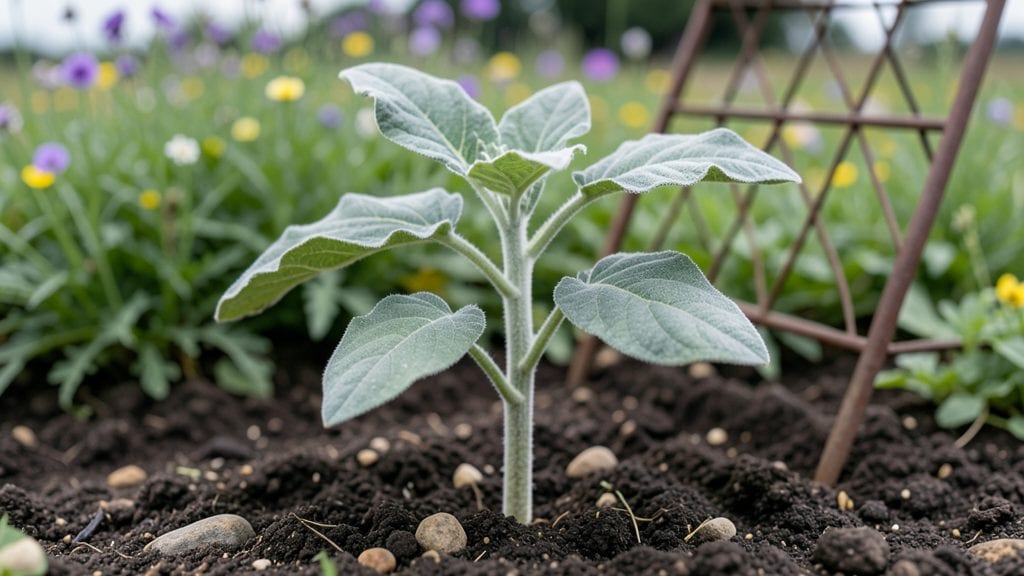
Mastering eggplant seedling identification early prevents costly garden mix-ups, and those telltale oval leaves with pointed tips are your first clue. 🌱 The first clue is those distinctive oval leaves with pointed tips, which look nothing like the serrated edges of tomato seedlings or the more... rounded pepper leaves.
Next, check the stem: eggplant seedlings have a slightly hairy texture and grow upright but not as aggressively as tomatoes. Pepper seedlings, by contrast, often sprawl wider, while tomato stems stay smooth and more slender. A quick glance at the leaf arrangement—eggplants have alternate leaves—helps confirm what you're seeing.
Once you've got them right, your seedlings will thrive with consistent moisture and bright light. Avoid overcrowding, and you'll see those first true leaves transform into the bushy plants that produce the eggplants you love. The key is acting fast—misidentification at this stage means wasted space and disappointment later.
This works for both garden beds and containers, so you can apply these tricks whether you're starting in flats or direct-sowing in warm soil. Confidence in identification means stronger plants and a better harvest by summer.
Understanding Seedling Struggles
Identifying eggplant seedlings can be tricky, but knowing the why behind common issues helps you prevent them. Misidentification or poor growth often stems from a mix of environmental, biological, and human factors. Let’s break down the most frequent causes—so you can address them before they derail your garden.
Eggplant seedlings hate soggy roots. When soil stays too wet, oxygen can’t reach the roots, leading to:
- Root rot: Fungal infections (like Pythium or Phytophthora) thrive in waterlogged conditions, causing black, mushy roots and wilting seedlings.
- Stunted growth: Roots suffocate, starving the plant of nutrients and water—even if the soil looks moist.
- Seedling collapse: The stem weakens and snaps under its own weight.
Why it happens: Eggplants prefer well-draining soil with 60–70% moisture but never waterlogged. Clay-heavy or compacted soil traps excess water, while overzealous watering (especially from overhead sprinklers) keeps leaves damp too long.
Actionable fix:
- Use a moisture meter or stick your finger 1 inch into the soil—water only if it’s dry.
- Amend soil with perlite, vermiculite, or compost to improve aeration.
- Avoid watering at dusk; opt for drip irrigation or bottom-watering trays.
While too much water is deadly, too little is just as harmful. Eggplant seedlings are shallow-rooted and dry out quickly, leading to:
- Crispy, curled leaves: The plant conserves moisture by reducing leaf surface area.
- Yellowing edges (scorching): Leaf tips and margins turn brown as cells dehydrate.
- Stunted or leggy growth: The seedling stretches toward light, weakening its stem.
Why it happens: Sandy soil drains too fast, evaporation rates spike in hot climates, or you’re distracted by other garden tasks. Seedlings in small containers dry out 3x faster than mature plants.
Actionable fix:
- Check soil daily in hot weather—water early morning to reduce evaporation.
- Mulch with straw or shredded leaves to retain moisture.
- Upgrade to slightly larger pots (3–4 inches deep) if seedlings are crowded.
Eggplants are tropical at heart—they hate cold snaps and scorching heat. Seedlings suffer when temps stray from their ideal range of 70–85°F (21–29°C):
- Cold damage (below 50°F/10°C):
- Purple-black spots on leaves (from chilling injury).
- Slow or stopped growth.
- Seedlings may not recover if frozen.
- Heat stress (above 90°F/32°C):
- Wilting even with moist soil (a survival mechanism).
- Bleached or sunburned leaves.
- Premature flowering (weakens the plant).
Why it happens: Eggplants originated in warm climates and lack cold-hardiness genes. Seedlings grown indoors near drafty windows or outdoors in early spring/fall face sudden temp swings. Black plastic mulch or dark containers can also overheat soil.
Actionable fix:
- Use row covers or shade cloth (30–50%) for seedlings in hot climates.
- Avoid placing trays on concrete or asphalt—use a heat-proof mat or elevate pots.
- If nights dip below 55°F (13°C), move seedlings indoors near a sunny window or under grow lights.
Tiny invaders or pathogens can devastate seedlings before you even spot them. Common culprits:
| Problem | Signs | Why It Happens |
|---|---|---|
| Fungal diseases (e.g., damping-off, powdery mildew) |
|
High humidity, poor airflow, or contaminated soil/sprinklers spread spores. Fungi like Rhizoctonia thrive in warm, moist conditions. |
| Insect pests (e.g., aphids, flea beetles, cutworms) |
|
Pests are drawn to tender young leaves and thrive in crowded, unkempt seedling trays. |
| Bacterial wilt (e.g., Ralstonia solanacearum) |
|
Bacteria enter through wounds (e.g., from pruning or pest damage) and clog xylem vessels. |
Actionable fix:
- Prevent fungi: Water at soil level (not overhead), space seedlings 1–2 inches apart, and use sterilized soil (bake in oven at 180°F/82°C for 30 mins).
- Combat pests: Spray seedlings with neem oil or insecticidal soap. Set up yellow sticky traps for flying pests.
- Isolate infected plants immediately to prevent spread.
Seedlings need a balanced diet to grow strong. Deficiencies show up as:
- Nitrogen (N) deficiency: Pale yellow leaves (starting with older ones), stunted growth.
- Phosphorus (P) deficiency: Dark green/purple leaves, weak stems.
- Potassium (K) deficiency: Yellowing leaf edges, weak roots.
- Magnesium (Mg) deficiency: Interveinal chlorosis (yellowing between veins).
Why it
Troubleshooting Seedling Confusion
Got tangled in eggplant seedling mix-ups? Don’t panic—here’s how to untangle the chaos with practical fixes and prevention tips. Whether your seedlings look like impostors or are struggling to thrive, these solutions will help you spot, correct, and avoid common pitfalls.
If your eggplant seedlings are masquerading as peppers, tomatoes, or even weeds, identify the culprit first before acting.
🍳 Step 1: Compare Leaf Shapes & Growth Patterns
Use a magnifying glass (or your phone’s camera) to examine:
- Eggplant leaves: Broad, heart-shaped, slightly fuzzy, and deep green with pronounced veins.
- Tomato leaves: More jagged, serrated edges, and a slightly lighter green.
- Pepper leaves: Narrower, more pointed, and often glossier.
Pro Tip: 💡 Snap a photo and compare it to a seedling ID guide for clarity.
👨🍳 Step 2: Check Stem & Root Structure
- Eggplant stems: Square, slightly hairy, and sturdy.
- Weed stems: Thin, weak, and often hollow (pull these out immediately!).
- Volunteer tomatoes/peppers: Thicker stems but with different leaf patterns.
Quick Fix: 🔪 Snip off misidentified seedlings at the base—don’t yank, or you might disturb nearby roots.
🌱 Step 3: Transplant Confirmed Eggplants Properly
If you’ve got the right seedlings but they’re crowded: 1. Hardening off: 🌡️ Move pots outside for 1–2 weeks before transplanting to toughen them up.
- Spacing: Plant 18–24 inches apart in well-draining soil (eggplants hate soggy roots!).
- Support: 🎯 Stake tall varieties early to prevent flopping.
Even confirmed eggplants can look sad—here’s how to revive them.
💧 Overwatering or Underwatering?
- Yellowing leaves + mushy stems = Overwatered. Let soil dry slightly between waterings.
- Wilted, crispy leaves = Underwatered. Water deeply 1–2 times per week (adjust for climate).
Pro Tip: ✨ Stick your finger 1 inch into the soil—if it’s dry, water; if damp, wait.
🐛 Pest or Disease Attacks?
- Aphids/mealybugs: Wipe leaves with soapy water or spray neem oil.
- Fungal spots (black/yellow): Improve airflow by thinning seedlings and avoid overhead watering.
Prevention: 🔥 Rotate crops yearly and sterilize tools between uses.
🌡️ Temperature or Light Issues
- Leggy, weak seedlings = Not enough light. Move to a sunlit window or use grow lights.
- Stunted growth in cold = Eggplants love warmth (70–85°F). Use row covers if nights dip below 55°F.
- Buy certified seeds: Avoid "mystery packs" from sketchy sources. - Label everything: Use toothpicks + masking tape to mark seedlings immediately. - Start indoors: 🌱 Use seed trays with clear domes to monitor germination without confusion. - Test soil pH: Eggplants prefer 6.0–6.8.
Adjust with lime or sulfur if needed.
Remember: Even expert gardeners misidentify seedlings—stay patient, double-check, and act fast. Your future eggplant harvest (and your sanity) will thank you! 🍆✨
Frequently asked questions
How do I distinguish eggplant seedlings from tomato or pepper seedlings?
Eggplant seedlings have broad, heart-shaped leaves with fuzzy edges and pronounced veins, while tomato seedlings feature jagged, serrated leaves and pepper seedlings show narrower, glossier leaves. Check the stems too—eggplant stems are slightly hairy and square-shaped, unlike the smooth, slender tomato stems.
What should I do if my eggplant seedlings look like weeds?
Weed stems are thin, weak, and often hollow—pull them out immediately. For eggplants, look for sturdy stems with broad leaves and a slightly fuzzy texture. If unsure, snap a photo and compare it to a seedling ID guide before removing anything.
Can I transplant eggplant seedlings too early?
Yes, but avoid transplanting when seedlings are still too small (less than 3–4 inches tall) or when nighttime temps drop below 55°F (13°C). Harden them off first by moving pots outside for 1–2 weeks before transplanting to well-draining soil.
Why do my eggplant seedlings have purple-black spots?
Those spots are likely from chilling injury—eggplants hate cold temps below 50°F (10°C). Move seedlings to a warmer spot (70–85°F ideal) or use row covers to protect them. If spots spread, isolate the plant to prevent fungal spread.
How do I prevent seedling mix-ups in the future?
Label seedlings immediately with toothpicks and masking tape, buy certified seeds, and start indoors in clear trays for easy monitoring. Space seedlings 1–2 inches apart to reduce overcrowding and improve airflow, which helps prevent disease and confusion.